


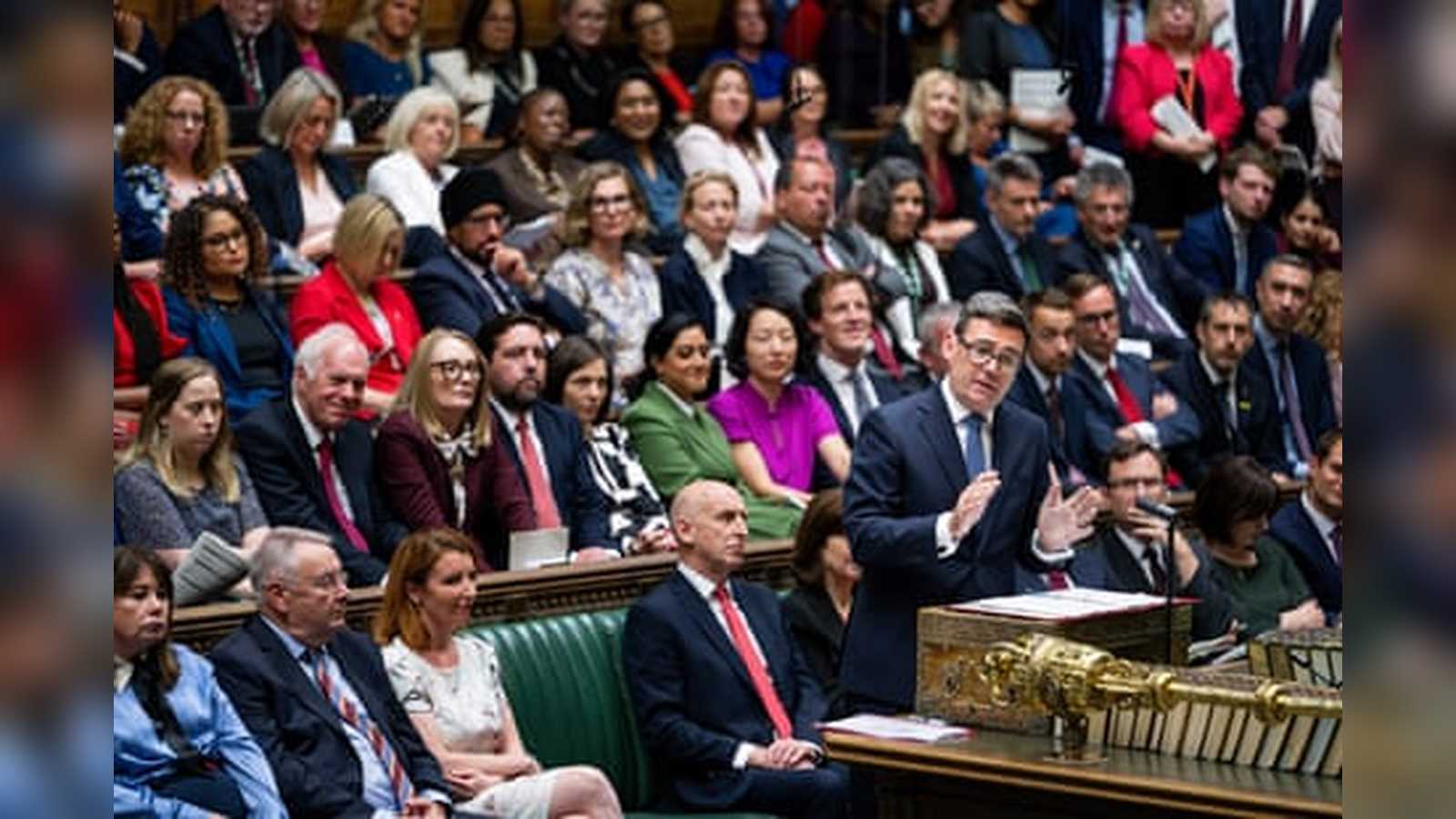
A Testing Debut in the Commons
Prime Minister Andy Burnham faced his inaugural Prime Minister’s Questions (PMQs) on September 2, 2026, navigating a high-stakes exchange with Conservative leader Kemi Badenoch. While Burnham campaigned on a platform of “problem-solving, not point-scoring,” the session quickly devolved into traditional political friction, centering on the government’s economic trajectory, spending commitments, and internal power dynamics.
Economic Policy and the Treasury Debate
A primary point of contention involved the government’s “rewiring the state” agenda. Conservative shadow Cabinet Office minister Alex Burghart accused the administration of watering down plans to grant “No 10 North” control over economic growth policy. The opposition argued that the Treasury—described by some in the government as an “imperial finance department”—retains the real levers of power, leaving the new regional growth body with limited authority. First Secretary of State Louise Haigh defended the transition, noting that strategic functions, including local economic growth policy, have been successfully transferred from the Ministry of Housing, Communities and Local Government and the Treasury to No 10 North.
This report draws on information published by BBC and The Guardian.
Simultaneously, the government is working to calm bond market fears following a recent sell-off that threatens to complicate the upcoming budget. Treasury minister Torsten Bell sought to provide context to opposition attacks on borrowing, highlighting that the current government is reducing borrowing levels faster than any other G7 economy, contrasting this with the record of the previous Conservative administration.
Clarity on Spending and Defense
Burnham faced direct pressure from Badenoch regarding his “summer of promises” and how they would be financed. When asked what he had cut to pay for his initiatives, Burnham pointed to recent tax cuts. However, the session also saw confusion regarding defense policy. Although Burnham appeared to commit to a 3% of GDP defense spending target by 2030 during an exchange with Tan Dhesi, government sources later clarified that his position remains unchanged, suggesting a misinterpretation of his intended reference to a 3.5% target by 2035.
Reform UK and the Banking Debate
Away from the dispatch box, Reform UK leader Nigel Farage utilized the news cycle to claim his party’s bank accounts had been frozen multiple times. Farage, who is also under scrutiny by the parliamentary commissioner for standards regarding a £5m donation, argued that anti-money laundering regulations are “excessive” and that his party is being targeted as an “outsider.” Experts like Oliver Bullough have challenged this framing, noting that current AML systems are standard practice and that the primary victims of systemic banking issues are often marginalized groups rather than political figures.