


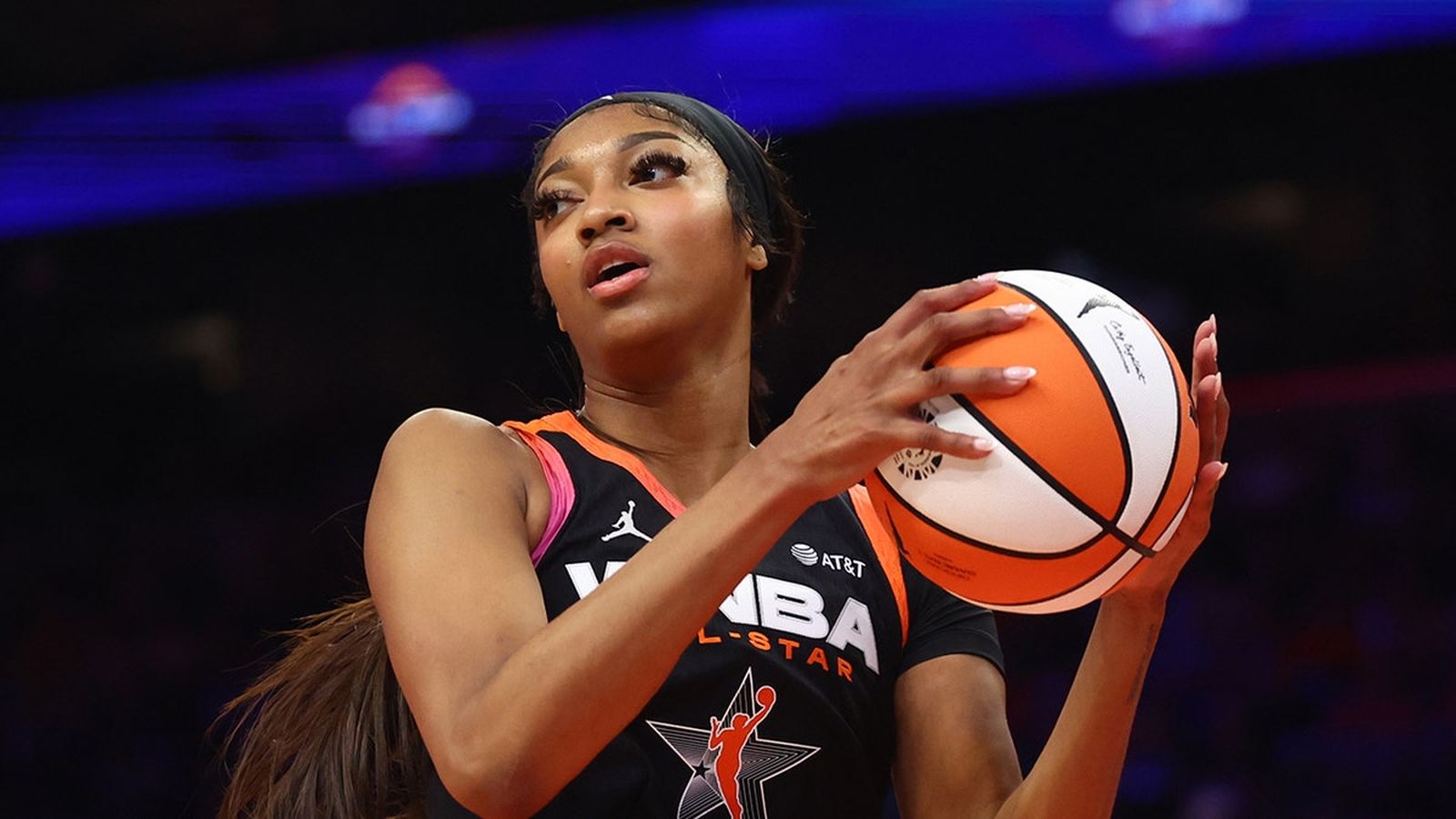
Public Disclosure of Social Media Friction
On November 10, 2026, Fox News sports reporter Dan Zaksheske publicly disclosed that WNBA star Angel Reese had blocked his account on the social media platform X. The revelation came in the immediate aftermath of the 2026 WNBA Finals, a series defined by high-intensity competition, shifting momentum, and significant scrutiny regarding Reese’s on-court performance and behavioral interactions. This event highlights the ongoing, often volatile tension between high-profile professional athletes and the media personnel tasked with reporting on their professional conduct, statistical output, and public-facing gestures.
Zaksheske detailed the nature of his professional coverage, explicitly noting that he had never directly tagged or engaged with Reese on the platform. According to his statement reported by Yahoo Sports, his reporting included both praise for her successful outings in the early stages of the series and critical, data-driven analysis of her subsequent statistical decline. Zaksheske noted, “I praised Reese after Games 2 and 3. She earned it.” However, he pointed to a distinct shift in tone following her performance in the final four games of the series, where he tracked a notable decline in efficiency, specifically citing 19 turnovers and a 27% shooting percentage. By making this disclosure, Zaksheske brought to light the personal barriers that can arise when a journalist’s analytical duties intersect with an athlete’s personal digital space.
Contextualizing Media Relations in the WNBA
The friction underscores the complex, often fraught environment surrounding modern sports journalism, where athletes maintain direct, unfiltered lines of communication with fans and critics via social media platforms. Zaksheske argued that the backlash he received from some segments of Reese’s fanbase—specifically accusations of bias—was fundamentally misguided. He stated that his professional obligation involves objective reporting on performance, regardless of the athlete’s public persona or personal brand. The reporter’s decision to publish his experience of being blocked suggests an attempt to defend his journalistic integrity against claims that his critiques were rooted in prejudice rather than performance metrics.
Reese has maintained a significant, highly visible public presence throughout her career, often utilizing social media to engage with supporters and address her critics directly. Following the conclusion of the WNBA Finals, Reese announced a temporary hiatus from social media to focus on her personal recovery and off-season training, stating, “Back to work! See y’all in 6 months.” The incident with Zaksheske, however, serves as a pertinent case study in how athletes in the high-stakes spotlight manage their digital ecosystems when critical reporting coincides with the pressures of championship-level athletic competition. It raises questions about where the line is drawn between an athlete’s right to digital privacy and the public’s interest in unfiltered sports commentary.
The Intersection of Performance and Perception
The 2026 WNBA Finals were characterized by intense physical play and mounting frustration. During Game 4, Reese was observed in a tense discussion with a referee near her bench, clapping in exasperation and protesting that she was being fouled on every possession. The Atlanta Dream superstar shot 2-for-12 from the field during that contest, recording eight points and nine rebounds, which snapped a streak of three consecutive double-doubles. The Golden State Valkyries, who utilized a rotating defensive strategy involving Kiah Stokes and others, effectively limited Reese’s impact during the mid-series pivot. The physical nature of the series led to widespread public debate, with some spectators focusing on the officiating and others on the players’ conduct, including Reese’s “too small” gesture and on-court taunts directed at opponents.
Zaksheske’s commentary on these specific moments—the taunts followed by the statistical downturn—created a flashpoint for fan discourse. When he noted the decline in efficiency, he found himself labeled by some as biased, a charge he countered by emphasizing the objective reality of the numbers. “That’s the main problem with Angel Reese ‘fans.’ They see any criticism of Reese as an attack on all Black women,” Zaksheske wrote. This incident reflects a broader trend in sports media where individual player narratives are often conflated with larger social issues, making objective analysis increasingly difficult to navigate without triggering defensive responses from loyal fanbases.
Professional Stakes and Athlete Autonomy
While athletes possess the complete autonomy to manage their digital interactions and curate their social media feeds, the public disclosure of a “block” by a credentialed reporter brings questions of media access and professional transparency to the forefront. For Zaksheske, the act of being blocked was an unexpected professional development, as he asserted that his work remained strictly within the bounds of standard sports journalism. The incident highlights the polarized nature of online discourse, where fans may interpret analytical criticism of a player’s performance as personal or identity-based attacks. This polarization complicates the ability of media members to maintain a neutral stance while performing their duties.
As the WNBA moves into its off-season, the event serves as a reminder of the evolving, often strained relationship between leagues, players, and media outlets. The challenge remains in finding a sustainable balance where reporters can fulfill their duty to analyze on-court performance—including the highs and the lows—without triggering the defensive barriers that social media platforms allow athletes to deploy. The act of blocking a journalist may be intended to preserve mental space during a high-pressure season, but in the digital age, it often serves to draw more attention to the very critiques the athlete seeks to avoid. Whether this incident represents a permanent shift in how Reese interacts with specific media members or is merely a fleeting moment of frustration exacerbated by the heat of the Finals remains to be seen as both parties look toward the requirements of the next season.
Ultimately, the episode serves as a microcosm of the modern sports landscape, where the barrier between the public athlete and the critical reporter has become increasingly porous. As long as athletes and journalists continue to navigate the same digital platforms, the potential for such friction remains high. The case of Zaksheske and Reese is likely just one instance in a larger, ongoing dialogue about the expectations placed upon athletes in the public eye and the professional responsibilities of those tasked with documenting their careers.
Reporting source: sports.yahoo.com.