


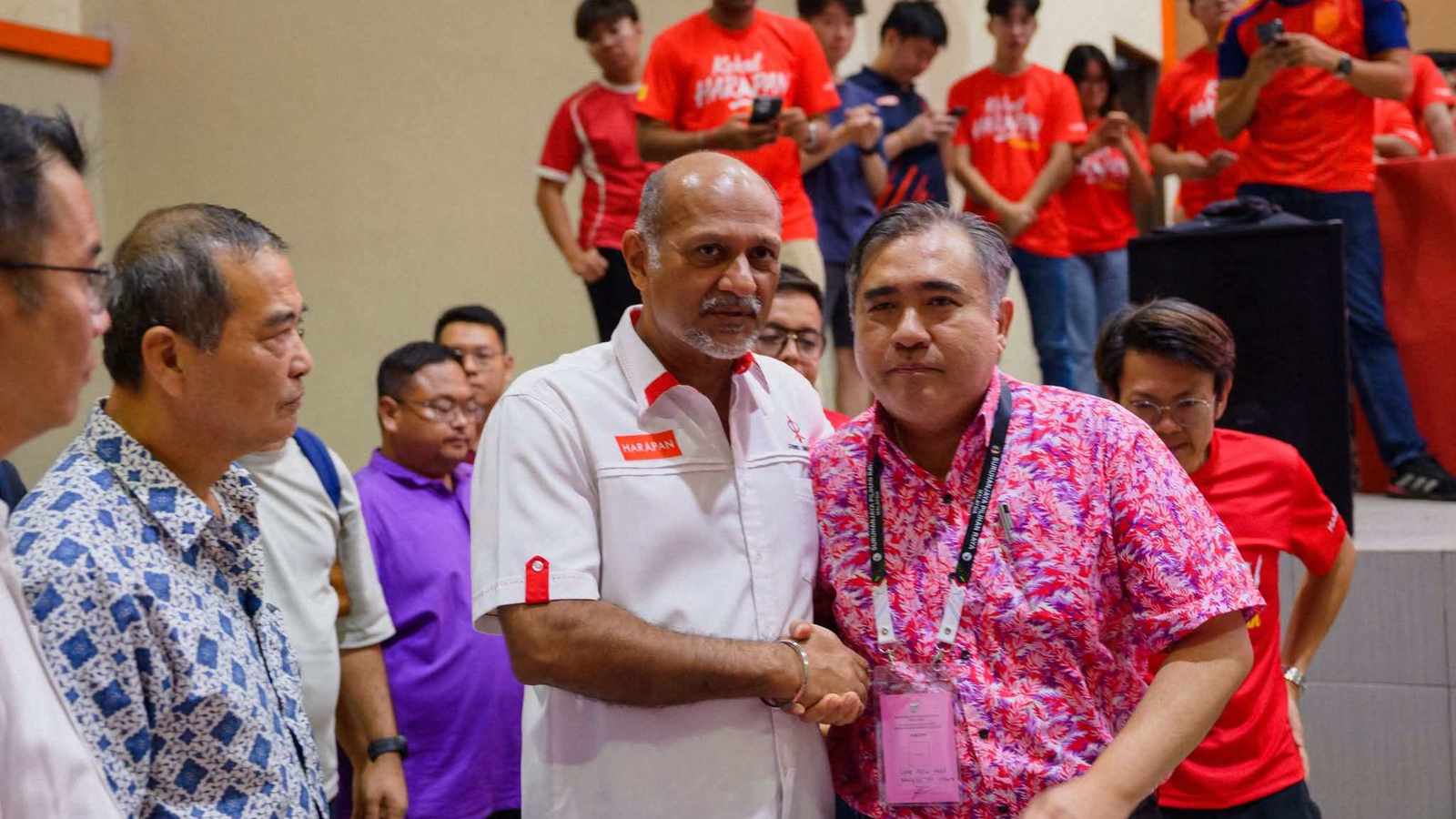
Coalition defeat in Negeri Sembilan
Malaysian Prime Minister Anwar Ibrahim’s ruling coalition has suffered a significant blow following a defeat in the Negeri Sembilan state elections. The loss to the Barisan Nasional (BN) and Perikatan Nasional (PN) alliance, which secured a supermajority with 25 seats, marks the third consecutive electoral setback for Anwar’s Pakatan Harapan (PH) bloc, following poor performances in Sabah and Johor.
The defeat is particularly damaging for the Democratic Action Party (DAP), the largest component of PH. DAP chief Anthony Loke, who had represented the Chennah constituency for 13 years, lost his seat in a result that analysts describe as a potential “last straw” for the party’s internal cohesion. The result has intensified debates within DAP regarding its continued participation in the unity government, especially ahead of the party’s national conference on August 16.
Internal pressure and reform fatigue
DAP’s electoral struggles stem from a complex mix of voter dissatisfaction and strategic miscalculations. While the party remains dominant in urban areas, it has increasingly become a target for liberal and minority voters who are frustrated by the slow pace of institutional reforms promised in 2022. According to political scientist Wong Chin Huat of Sunway University, DAP has been forced to defend compromises made to accommodate Umno, the dominant party within the BN coalition, leading to a perception that the party has lost its reformist edge.
The defeat in Negeri Sembilan has also emboldened critics within the party. While DAP’s state leadership has reaffirmed its support for Anthony Loke, analysts note that the loss could provide an opening for the party’s “old guard,” led by former secretary-general Lim Guan Eng, to challenge current leadership strategies. Loke has stated that DAP delegates will decide via secret ballot at the upcoming national conference whether to remain in the federal government, a move that introduces high stakes for the stability of Anwar’s administration.
Broader implications for stability
The political fallout is already extending beyond Negeri Sembilan. In Melaka, the local unity arrangement between PH and BN has effectively collapsed after PH assemblymen opposed a constitutional amendment regarding the appointment of unelected legislators. With state elections expected in Melaka by December, the window for PH to resolve its internal divisions is narrowing. BN chairman Ahmad Zahid Hamidi has signaled that the BN-PN arrangement tested in Negeri Sembilan could serve as a blueprint for future elections, including the next general election, placing further pressure on Anwar to maintain his coalition’s fragile unity.