

Quick Read
- Artyom Vardanyan joined the Russian Presidential Commission for National Policy.
- The commission monitors inter-ethnic relations and advises on federal legislation.
- Vardanyan is a key figure in the Union of Armenians of Russia and a Duma expert.
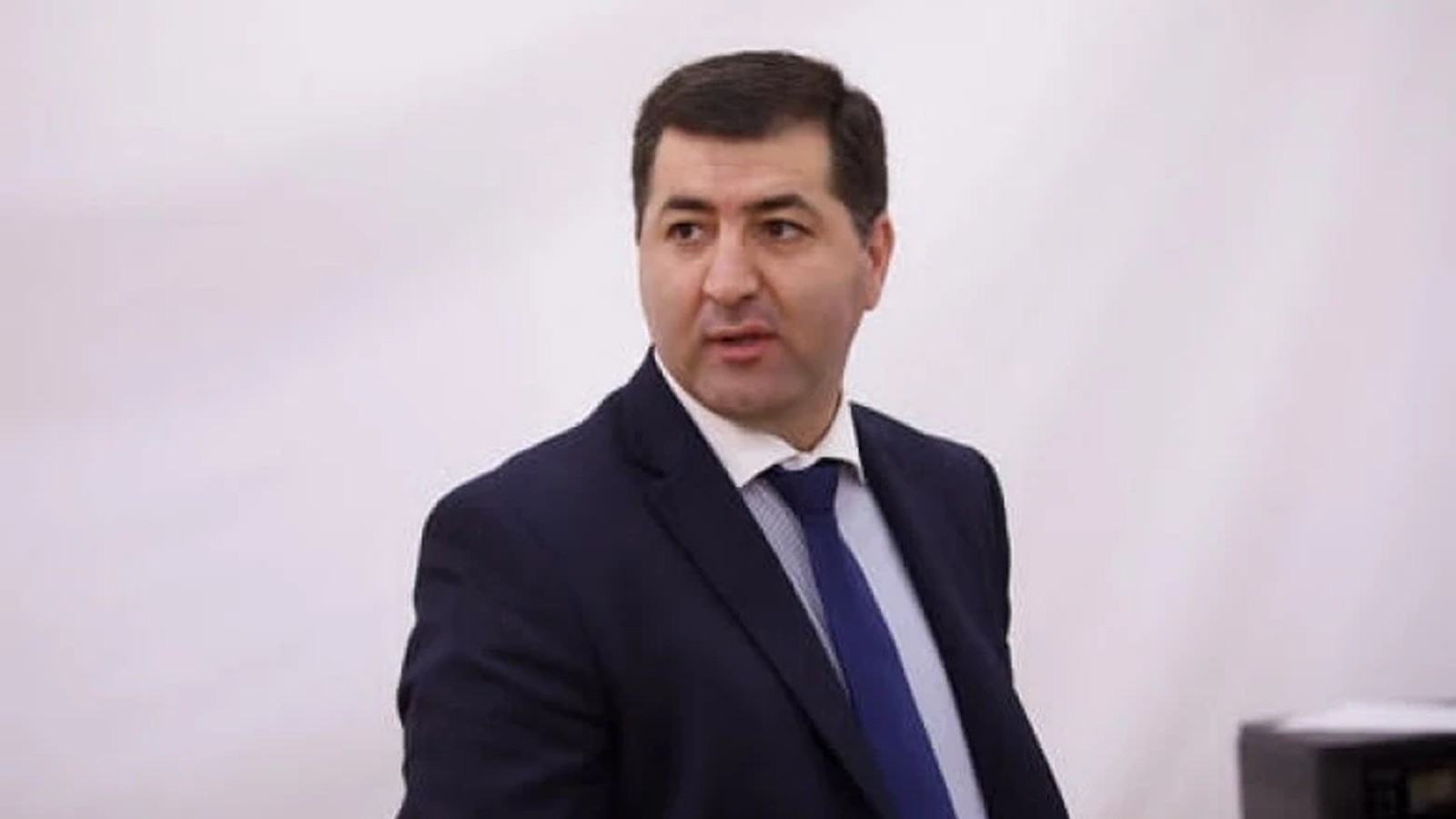
In a move reflecting the complex landscape of institutional representation within the Russian Federation, Artyom Vardanyan has been appointed to the Presidential Commission for the Development of Regional Aspects of State National Policy and Public Institutions. This commission serves as a critical mechanism for monitoring inter-ethnic relations, identifying potential flashpoints for civil tension, and shaping the Kremlin’s legislative agenda regarding social integration and minority affairs.
The Role and Scope of the Commission
Vardanyan, who currently serves as an expert council member for the State Duma’s Committee on Nationalities and holds a leadership role within the Union of Armenians of Russia, steps into a position that demands both bureaucratic expertise and a capacity to navigate sensitive inter-ethnic dynamics. The commission’s mandate is extensive: it acts as a bridge between official state bodies, religious organizations, and non-governmental actors, providing the methodological framework for local authorities to manage multicultural integration. By analyzing potential sources of conflict, the commission essentially functions as an early-warning system for the Russian executive branch, drafting reports that frequently serve as the foundation for presidential decrees and federal legislation.
Institutional Context and Diplomatic Optics
The appointment comes at a time when the diaspora’s role in influencing diplomatic and cultural ties between Yerevan and Moscow remains under intense public scrutiny. While Vardanyan’s background in the Union of Armenians of Russia suggests a focus on institutional representation, the commission’s work—specifically regarding the social and cultural integration of foreigners—carries inherent political weight. For observers of liberal democratic standards, the inclusion of such figures in state-level advisory bodies highlights the persistent challenge of ensuring that representation remains inclusive and transparent, rather than serving as a mere instrument of state policy.
Ultimately, this appointment serves as a reminder of the multi-layered nature of Armenian presence in Russian political structures. As the commission continues to synthesize data on inter-ethnic relations to inform federal policy, the practical impact of such appointments will be measured by their ability to foster genuine dialogue versus merely reinforcing existing power dynamics. The appointment underscores the Kremlin’s reliance on established institutional figures to maintain stability in a highly diverse federal state, leaving open the question of how such bodies balance state security interests with the rights and integration needs of minority communities.