


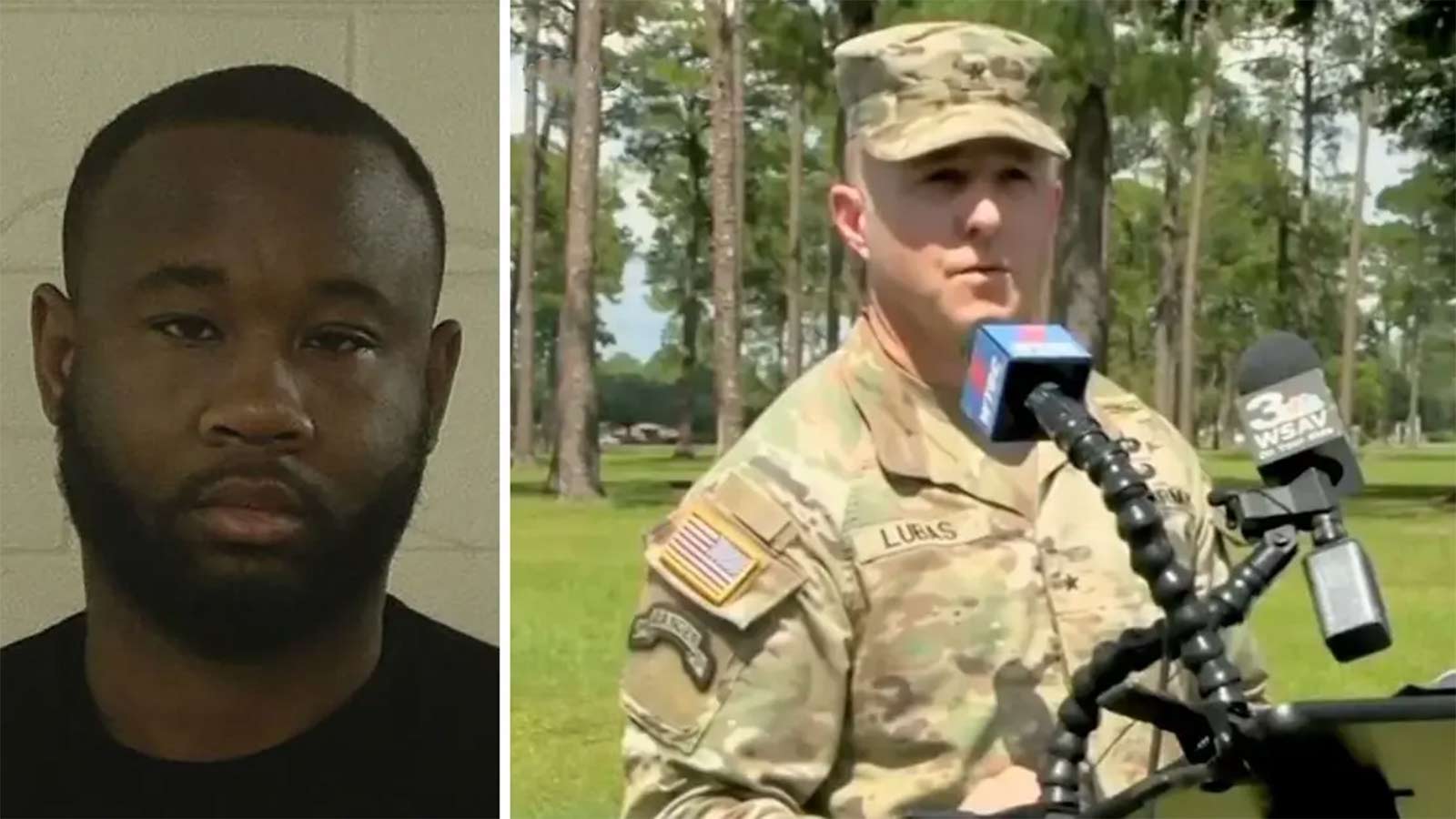
A routine day at Fort Stewart, Georgia, took a shocking turn on Wednesday, August 7, 2025, when an Army sergeant opened fire on his fellow soldiers, wounding five. The suspect, identified as 28-year-old Quornelius Radford, was swiftly subdued by other soldiers and taken into custody. The incident has once again drawn attention to the pressing issues of security on military bases and the mental health challenges faced by service members.
The Incident Unfolds
The shooting occurred at approximately 11 a.m. at the Fort Stewart-Hunter Army Airfield, one of the largest Army bases in the United States. According to Brigadier General John Lubas, the commanding officer of the base, Radford used a personal handgun to carry out the attack, which took place at his work post within the 2nd Armored Brigade Combat Team’s unit. Lubas confirmed that all five injured soldiers are in stable condition and are expected to recover, though three required surgery.
Witnesses described the chaotic moments following the gunfire. Several soldiers bravely tackled Radford, preventing further harm before military law enforcement arrived. The base was immediately placed on lockdown, but an “all clear” was issued later in the afternoon, ensuring there was no ongoing threat to the community. The FBI and the Army Criminal Investigation Division are collaborating on the case to determine the exact sequence of events and the motive behind the attack.
Who Is Quornelius Radford?
Quornelius Radford, an automated logistics sergeant assigned to the 2nd Brigade Combat Team, had been stationed at Fort Stewart since 2022. His father, Eddie Radford, revealed in an interview with The New York Times that his son had expressed concerns about racism at the base and was seeking a transfer. However, he added that there were no clear signs of imminent violence. Eddie also mentioned that his son had struggled with depression, stemming from the death of his mother during his childhood, though he had no documented history of severe mental health issues.
In the hours leading up to the attack, Radford reportedly sent a cryptic text message to his aunt, stating, “I love everybody, and I’ll be in a better place because I’m about to go and do something.” This message has added a layer of complexity to the investigation, as authorities work to discern whether the act was premeditated or driven by an emotional breakdown. Radford’s limited criminal record includes a DUI arrest, which was unknown to his chain of command until the shooting prompted a deeper background check.
Base Security Under Scrutiny
The incident has raised serious questions about how Radford was able to bring a personal firearm onto a highly secured military base. Brigadier General Lubas acknowledged that it remains unclear how the weapon slipped past base security measures. This oversight has amplified concerns about the effectiveness of existing protocols designed to prevent such tragedies.
Fort Stewart, located near Savannah, Georgia, is home to approximately 15,000 active-duty soldiers and their families. It plays a critical role in the U.S. Army’s operations, making the breach of security particularly alarming. The base has a history of maintaining high safety standards, but this event has highlighted potential vulnerabilities that need immediate attention.
Reactions and Broader Implications
The shooting has sparked reactions from military and civilian leadership alike. Speaking from the White House, President Joe Biden extended his thoughts to the victims and their families, calling the incident “deeply troubling.” He emphasized the need for comprehensive mental health support for service members and a review of security policies at military installations.
Historically, mass shootings on military bases are rare but not unprecedented. Incidents such as the 2009 Fort Hood shooting, which claimed 13 lives, and the 2019 Pensacola Naval Air Station attack serve as grim reminders of the potential for violence even in high-security environments. Experts argue that the latest shooting underscores the importance of addressing the root causes of such acts, including mental health issues, workplace grievances, and systemic challenges within the military.
As the investigation continues, Fort Stewart and the broader military community are left grappling with the aftermath of this harrowing event. The incident serves as a stark reminder of the complex challenges faced by those who serve and protect.