


Global Volatility Spills Over Into Regional Markets
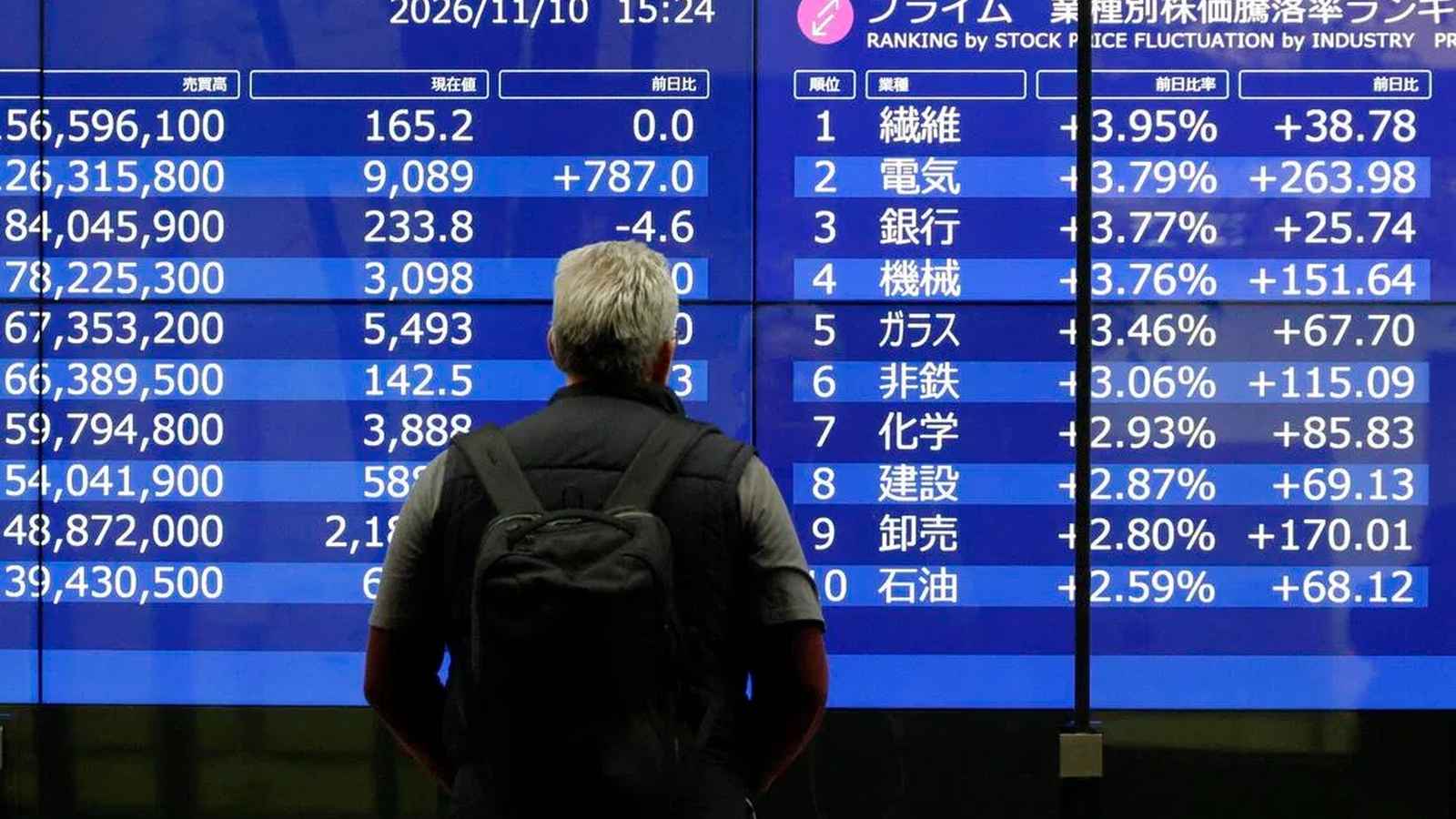
Asian technology markets experienced a deep sell-off on November 23, 2026, extending a severe global downturn that saw regional equities log their worst weekly performance since the 2020 pandemic. The contraction follows heavy losses in US markets on November 20, where technology indices tumbled amid growing investor skepticism over artificial intelligence valuations, potential Federal Reserve interest rate hikes, and regulatory pressures. According to an Outlook Money report, South Korea’s benchmark index plunged nearly 5 percent, while major chipmakers SK Hynix and Samsung Electronics dropped more than 13 percent and 5.25 percent, respectively.
The market correction underscores a fundamental shift in investor behavior across international exchanges. Following months of explosive growth fueled by artificial intelligence infrastructure spending, market participants are increasingly demanding concrete proof that massive capital expenditure can translate into sustainable financial returns. The shift gained momentum following Anthropic’s high-profile initial public offering, which failed to restore broader sector confidence despite its initial market debut.
Global financial systems absorbed heavy ripple effects as international stock exchanges recorded widespread retreats. In the United States, major tech bellwethers experienced substantial pullbacks, dragging down broader equity benchmarks and dampening sentiment across cross-border supply chains. Asian economies deeply integrated into the global semiconductor manufacturing ecosystem felt immediate shocks. Taiwan and South Korea, which host critical nodes for advanced microchip fabrication and memory production, absorbed the largest equity adjustments. Market analysts noted that the speed of the capital withdrawal reflected systemic anxiety regarding how quickly technology firms can monetize multi-billion dollar cluster builds and data center expansions.
Trading desks across Hong Kong and mainland China also reported cautious positioning. China’s CSI 300 and Hong Kong’s Hang Seng traded lower as regional investors weighed the dual pressures of softening domestic demand metrics and tightening external liquidity conditions. Market participants moved aggressively to reallocate portfolios toward defensive sectors, reducing exposure to high-beta growth assets that had dominated trading volumes throughout the preceding quarters.
The End of Unconditional AI Optimism
Financial analysts note that the recent market turbulence represents a definitive turning point for the technology sector. Charu Chanana, chief investment strategist at Saxo, observed in an analysis covered by The Straits Times that market participants are no longer satisfied with simple proof of AI demand. Instead, investors want evidence that extraordinary ecosystem spending can generate sustainable long-term value.
This cautious sentiment has been compounded by several compounding factors, including political shifts in Washington following the US midterm elections, heightened scrutiny over semiconductor supply chains, and rising macroeconomic pressures. Treasury yields have climbed while safe-haven assets attracted significant capital inflows, signaling a broader defensive posture among institutional investors worldwide.
The skepticism surrounding artificial intelligence economics gained additional traction as institutional funds reassessed corporate balance sheets. Analysts pointed out that while enterprise adoption metrics for generative tools continue to rise, the conversion rate from trial implementations to high-margin recurring revenue remains uneven across enterprise software and hardware providers. Corporate disclosures from major cloud service providers highlighted massive capital outlays dedicated to procuring specialized accelerators and expanding electrical grid capacities, yet top-line growth figures have failed to keep pace with escalating amortization schedules.
Regulatory headwinds further complicated the operational landscape. Heightened oversight regarding technology cross-holdings, data center environmental footprints, and cross-border semiconductor trade restrictions introduced fresh compliance risks. Portfolio managers responded by trimming positions in companies with elevated debt loads tied directly to AI infrastructure financing, reinforcing a widespread flight to quality that favored cash-generative enterprises with minimal leverage.
Divergent Regional Responses and Next Steps
While technology-heavy exchanges bore the brunt of the correction, other regional equities demonstrated relative resilience. Indian domestic markets extended a multi-session rally as global capital was partially redirected away from overheated tech sectors toward alternative domestic indices. Meanwhile, US equity futures staged a modest technical recovery as investors evaluated entry points following the sharp correction.
Market regulators and institutional investors continue to monitor macroeconomic data releases and upcoming monetary policy decisions from central banks. The primary focus remains on corporate earnings reports and capital expenditure disclosures from major technology firms to determine whether current valuations align with verifiable operational profitability.
Fixed-income markets experienced pronounced shifts as capital flowed steadily into government debt instruments. Benchmark Treasury yields adjusted downward as institutional buyers sought duration and yield security against potential economic slowdowns. Meanwhile, currency markets reflected strengthening demand for safe-haven fiat currencies, maintaining upward pressure on the US dollar relative to emerging market counterparts.
Looking ahead, market strategists emphasize that equity valuations will likely remain range-bound until upcoming corporate reporting cycles deliver definitive clarity on cash flow generation. Independent asset managers and institutional allocators maintain that sustainable market stabilization requires concrete demonstration of margin expansion and disciplined capital allocation from industry leaders, marking a permanent departure from the speculative exuberance that characterized earlier phases of the technology expansion.