


The Economic Engine
Australia’s economic landscape is currently being anchored by a massive surge in data centre development. Westpac senior economist Pat Bustamante estimates that investment in the sector will exceed $155 billion over the next decade, representing roughly 5.6% of annual GDP. This capital inflow has been identified by Reserve Bank of Australia Governor Michele Bullock as a source of “strong structural tailwinds” that helped the economy maintain growth despite inflationary pressures and global instability.
The Infrastructure Stakes
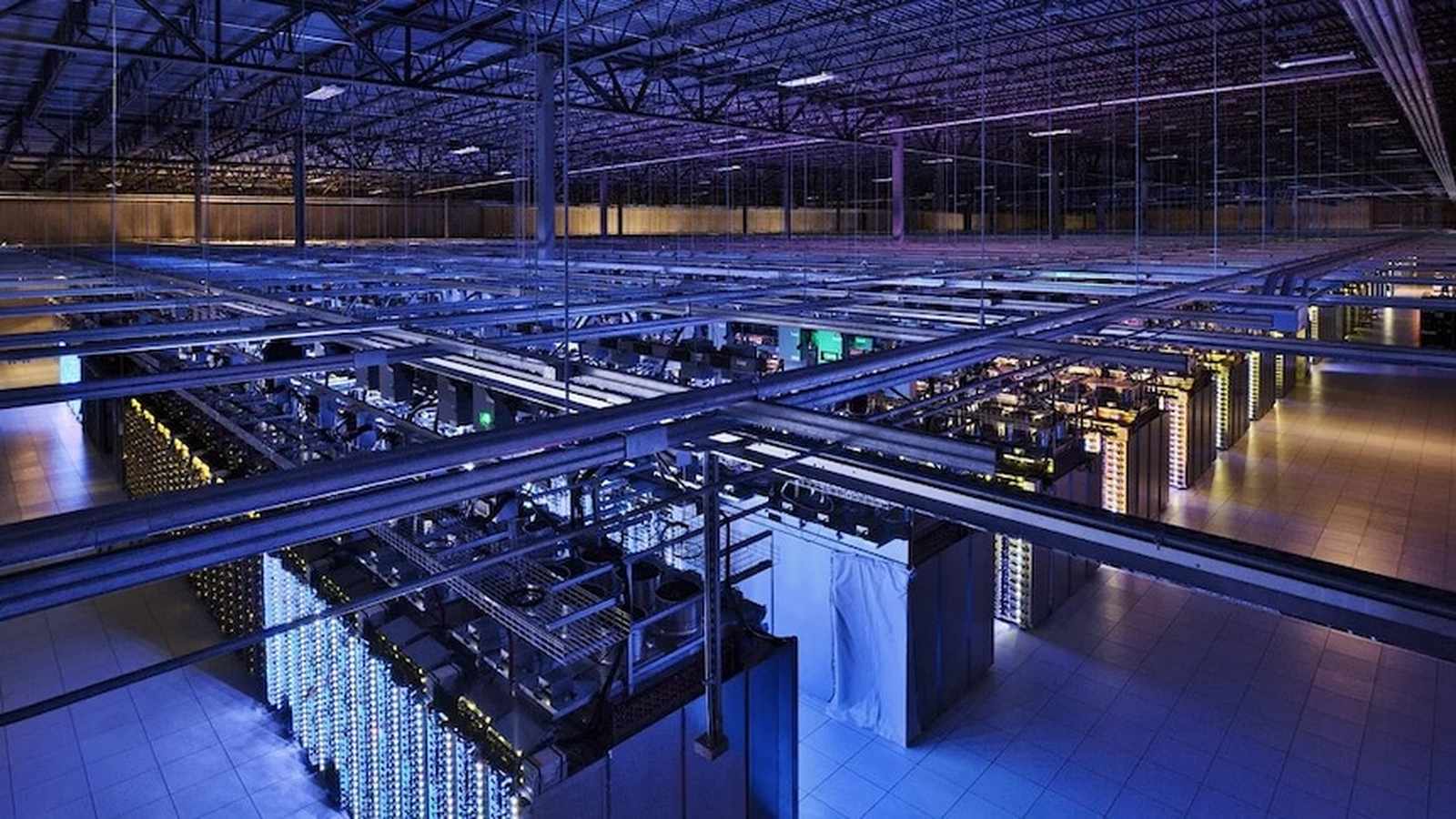
Currently, Australia hosts approximately 162 operational data centres, with 90 more in development. A flagship project in Marsden Park, Sydney, is set to become the largest of its kind in the Southern Hemisphere, with a $3.1 billion price tag. These facilities are critical for the shift toward artificial intelligence, with McKinsey consultants estimating that AI-driven usage will climb from half of current capacity to two-thirds within five years.
The Resource Dilemma
Despite the economic benefits, the Climate Council has issued stark warnings regarding resource consumption. Data centres are energy-intensive, and the Clean Energy Finance Corporation projects that their share of grid electricity consumption could jump from 1% to as much as 11% by 2035. Experts, including Climate Council associate professor Joel Gilmore, warn that if this demand is not met with rapid expansion in renewable energy and grid storage, electricity prices for households could rise by 20% to 25%. Additionally, water consumption for cooling these facilities is becoming a point of contention, particularly during drought conditions.
Analysis: Balancing Growth and Sustainability
The Australian data centre boom mirrors the broader “industrial supercycle” observed across Asia, where AI infrastructure, energy transition, and supply chain shifts are converging. While the immediate boost to construction and technology employment is clear, the long-term risk lies in the potential for these facilities to become “energy islands” that push up costs for the general public. The Australian government has introduced five non-binding expectations for operators to prioritize clean energy and grid efficiency, but critics argue that without stricter regulation, the economic gains may be offset by the high cost of living and infrastructure strain.