
Quick Read
- The Australian government is releasing 20% of mandatory fuel stockpiles to stabilize supply chains amid regional shortages.
- Critical seeding periods for farmers are at risk due to severe diesel shortages in rural areas compared to metropolitan centers.
- Officials have temporarily relaxed fuel quality standards and are injecting millions of liters of petrol into the market to combat panic-buying.
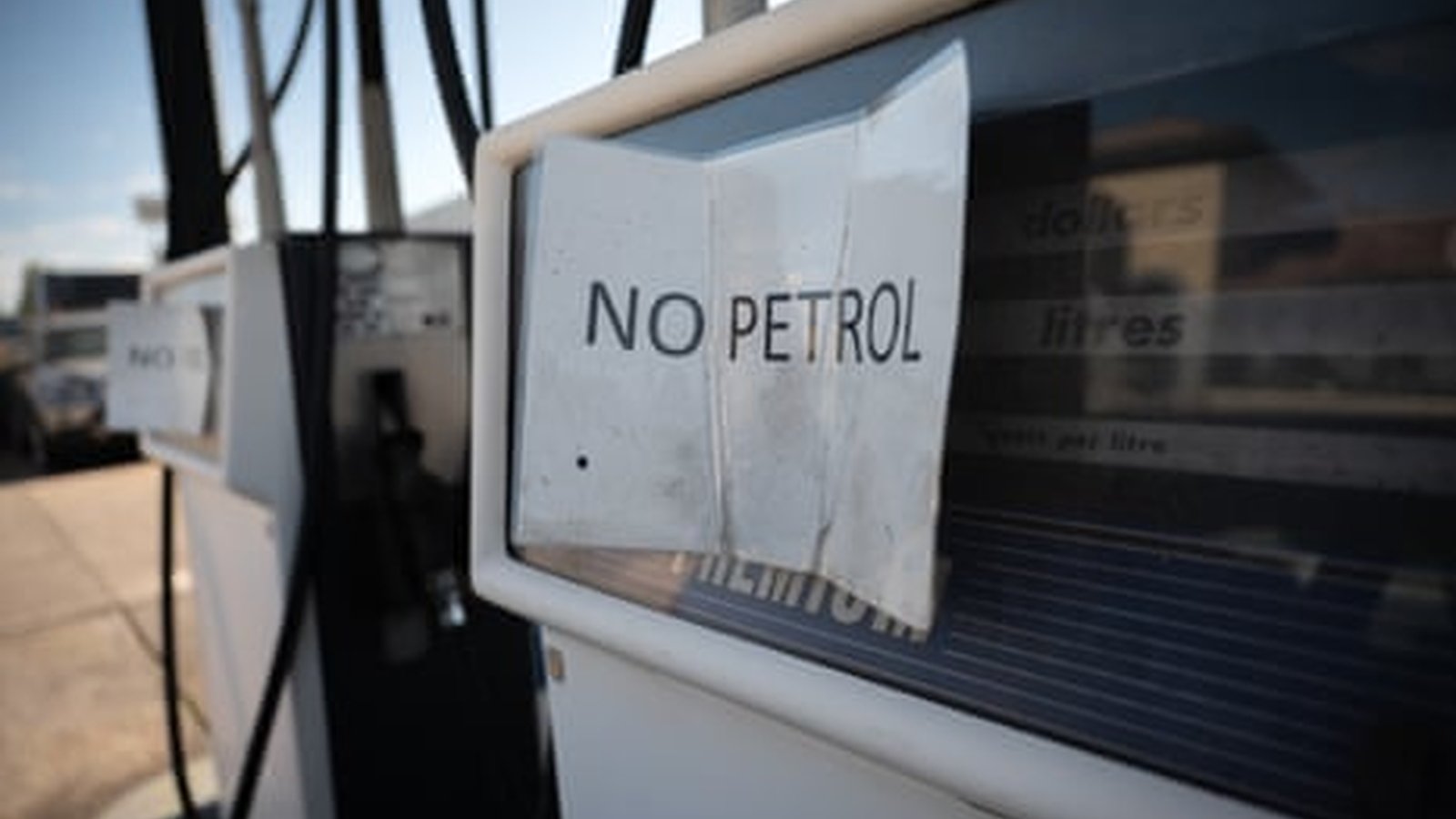
The Australian federal government has initiated emergency measures to stabilize national fuel supplies as disruptions in the Middle East continue to unsettle global oil markets. Officials have confirmed plans to inject millions of litres of additional petrol into supply chains, release approximately 20% of mandatory national fuel stockpiles, and temporarily permit the sale of lower-quality petrol to ensure service stations remain operational.
Addressing the Distribution Squeeze and Panic-Buying
The intervention comes as localized fuel shortages have emerged across the country, driven by a combination of global supply chain volatility and significant surges in consumer demand. In major east-coast cities, including Sydney, Melbourne, and Brisbane, reports of stations running dry have prompted concerns regarding a new era of elevated pump prices. The NRMA has warned that retail prices may remain at a permanent high point, accusing some operators of preemptively jacking up prices as the regional conflict intensified.
While the Albanese government maintains there is no national shortage of fuel, it acknowledges a critical distribution bottleneck. Premier Chris Minns and other state leaders have faced mounting pressure to address the disparity in access, where regional and independent stations are finding it increasingly difficult to secure deliveries compared to larger, contracted retail networks.
Impact on Regional Agriculture and Productivity
The supply strain is hitting the agricultural sector with particular severity during a critical seeding period. Farmers in Western Australia and regional Victoria have reported significant delays as they struggle to secure the diesel required for harvesters and heavy logistics. Agronomist Michael Lamond noted that the timing of these operations is vital for maintaining the national grain crop, which was valued at over $20 billion last year. Failure to secure adequate fuel supplies threatens to leave crops in the paddock, with ripple effects expected to reach supermarkets.
In response to the crisis in Western Australia, the government has formed a Fuel Industry Operations Group and implemented new rules allowing road trains to carry additional fuel supplies to the Goldfields, the South West, and the Wheatbelt. Despite these efforts, regional farmers remain skeptical, arguing that priority access continues to favor metropolitan markets, leaving rural communities vulnerable to further shortages.
Debating Long-Term Energy Sovereignty
The current disruption has reignited a debate regarding Australia’s long-term energy security and its heavy reliance on imported diesel. Critics argue that relying on 1970s-era infrastructure, such as domestic refineries, is an insufficient solution to modern volatility. Instead, some experts are calling for a transition toward greater energy sovereignty, emphasizing the need for high-powered charging infrastructure for electric trucking fleets and a shift away from diesel-intensive transport models. As the government navigates the immediate crisis, the political discourse remains sharply divided between those advocating for immediate fossil fuel subsidies and those pushing for a fundamental restructuring of Australia’s energy reliance.
The current fuel crisis underscores a structural fragility in Australia’s supply chain that goes beyond the immediate impact of the Middle East conflict; while government stockpile releases may provide short-term relief, the ongoing tension between metropolitan consumption and essential regional production suggests that energy security remains a persistent vulnerability that cannot be resolved through market interventions alone.