


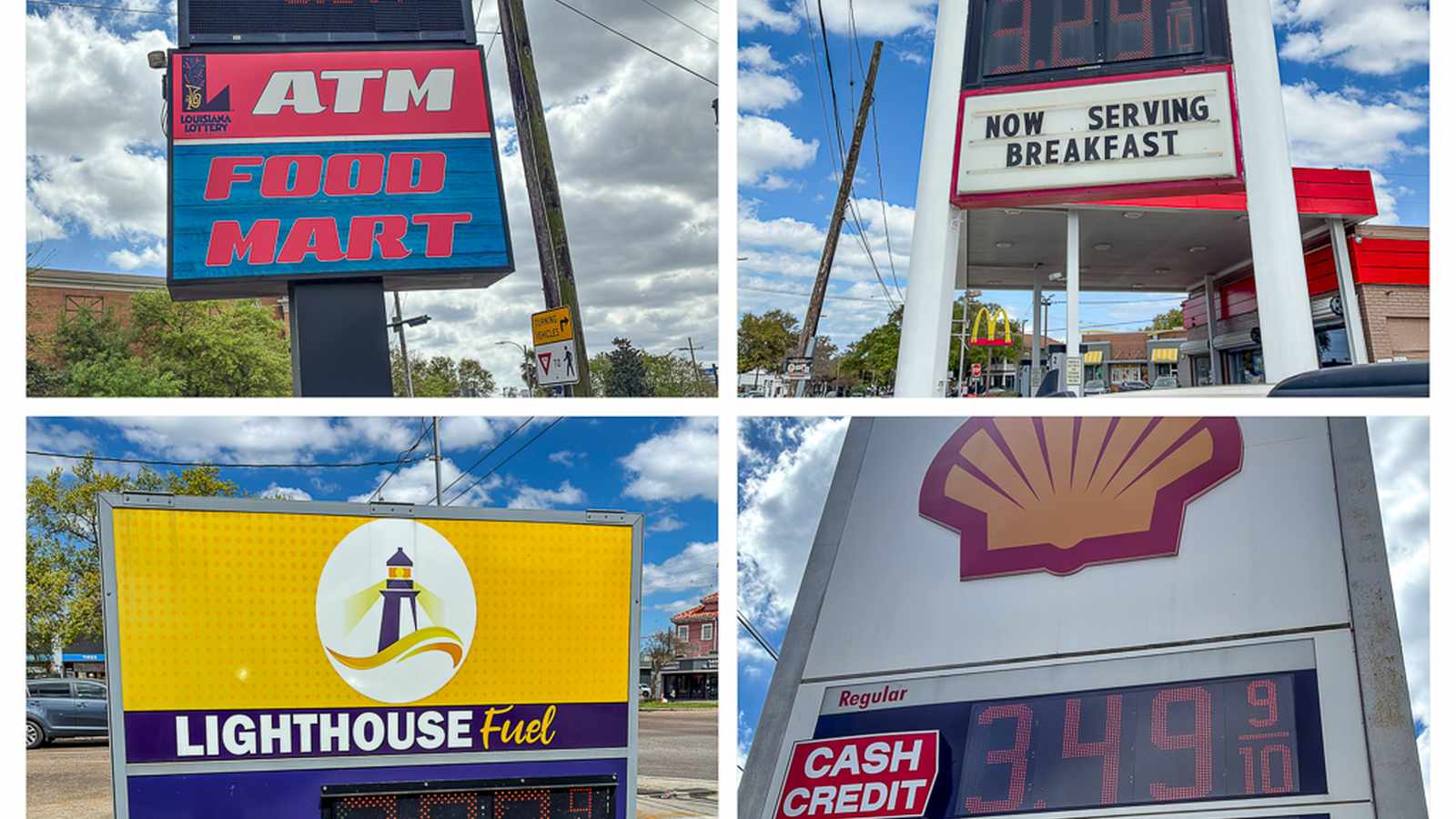
Global energy markets are reeling following the rapid escalation of the war on Iran in mid-March 2026, which has effectively paralyzed the Strait of Hormuz. With approximately 20 percent of global petroleum exports typically flowing through this vital chokepoint, the closure has sent benchmark oil prices soaring past $100 a barrel, fueling fears of a prolonged supply chain collapse.
Global Economic Strain and Emergency Responses
The immediate impact of the conflict has forced major oil-importing nations to implement urgent austerity measures. In South Asia, Bangladesh and Pakistan have introduced fuel rationing, with authorities imposing daily sales limits to curb panic buying. Pakistan has further transitioned government employees to a four-day working week, with 50 percent staff rotations to reduce commuting demand. Similarly, Vietnam has encouraged widespread remote work, and Thailand has requested civil servants to adopt energy-saving dress codes and minimize elevator usage to conserve power.
The crisis has reached the United Kingdom, where former BP executive Nick Butler warned that the country faces potential fuel rationing if the blockade in the Gulf persists. In response, Prime Minister Sir Keir Starmer announced a £53 million support package for vulnerable households struggling with heating oil costs, acknowledging the severe strain the price surge is placing on working families.
The Vulnerability of Fossil Fuel Dependence
The current volatility highlights a sharp debate over energy policy. Critics argue that the Trump administration’s recent rollback of vehicle emissions standards and fuel efficiency requirements—including the repeal of Biden-era tailpipe rules—has left the American economy unnecessarily exposed. While the U.S. remains the world’s largest oil producer, the interconnected nature of global markets means that domestic consumers are not shielded from international shocks. Analysts, including those at Resources for the Future, note that the administration’s projection of $3-per-gallon gasoline is increasingly disconnected from the current geopolitical reality.
Practical Shifts in a Tightened Market
As governments scramble to find alternatives, including renewed interest in Russian crude imports by nations such as India, the economic ripples are reaching the retail level. In India, small businesses have begun passing costs directly to consumers, with some cafes implementing specific “Gas Crisis Charges” on receipts to offset rising LPG prices. For travelers and commuters, the global consensus among energy experts is a shift toward immediate, short-term conservation, though analysts emphasize that such measures are merely temporary buffers against a fundamentally disrupted market.
The escalation in the Middle East has exposed the fragility of global energy supply chains, revealing that even in an era of increased domestic production, the lack of long-term efficiency investments leaves global economies highly susceptible to geopolitical instability.