


DUBAI (Azat TV) – The security landscape of the United Arab Emirates shifted dramatically on Monday as Iranian drone strikes targeted critical aviation and energy infrastructure, including a fuel facility near Dubai International Airport. The attack forced a temporary suspension of operations at the world’s busiest hub for international passenger traffic, signaling that the broader regional conflict has breached zones previously considered secure.
Kinetic Impact on Dubai Aviation and Energy Hubs
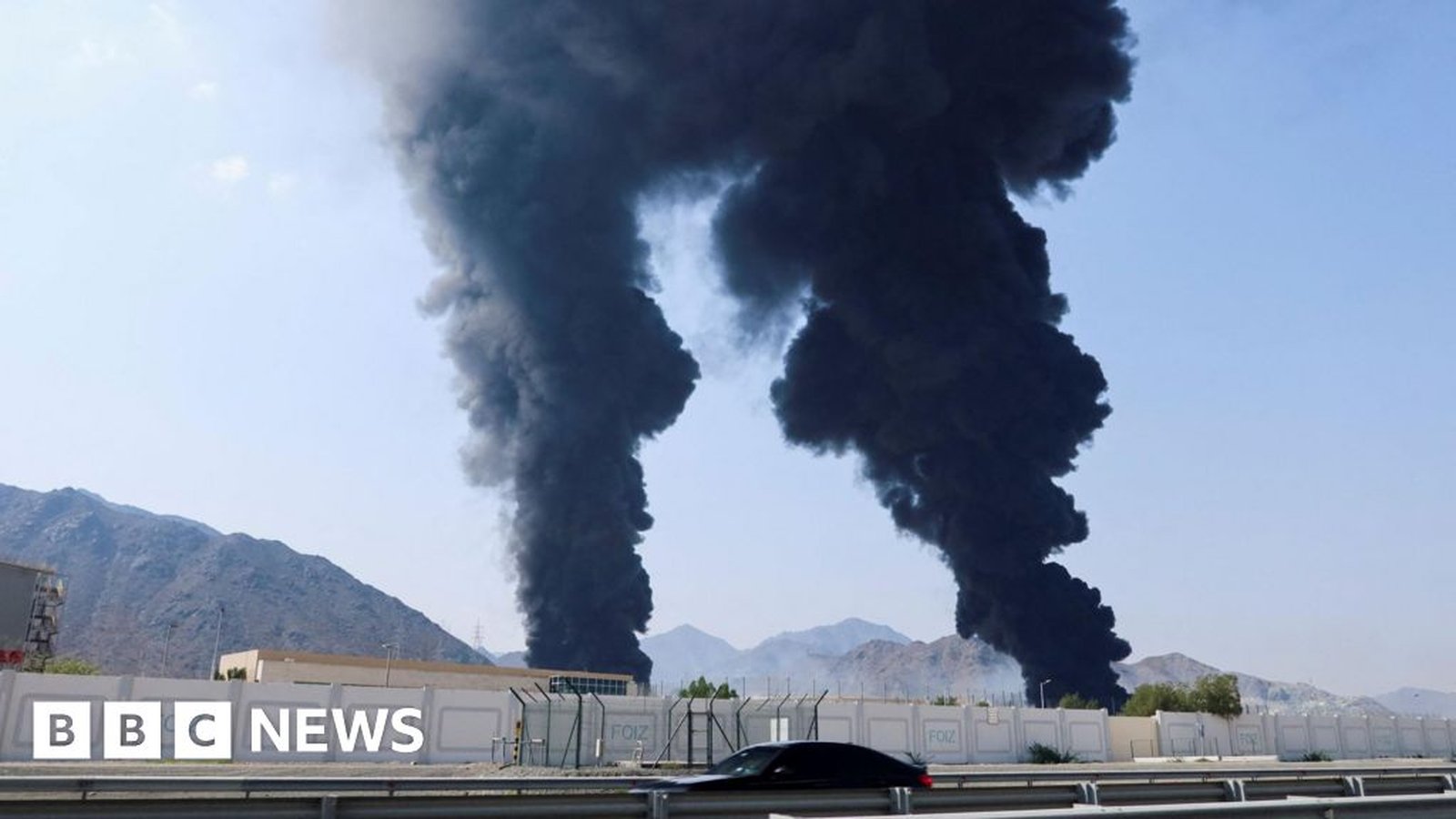
The incident at Dubai International Airport occurred early Monday, with emergency crews containing a fire sparked by a drone impact. While authorities reported no injuries, the temporary shutdown underscored the vulnerability of the region’s primary transit corridors. Concurrent with the airport strike, a separate drone attack ignited a fire at a strategic oil facility in Fujairah. Fujairah has long been viewed as a critical bypass for global energy exports, as it sits on the Gulf of Oman and allows tankers to avoid the Strait of Hormuz, which has seen shipping activity drop by at least 60% due to the ongoing hostilities.
Strait of Hormuz and Global Supply Stakes
The escalation has intensified pressure on international markets, with Brent crude prices remaining above $100 per barrel. U.S. President Donald Trump has called for a coalition of nations to secure the Strait of Hormuz; however, major allies including Britain, Japan, and Australia have expressed caution, signaling reluctance to be drawn into a wider kinetic engagement. Analysts from Kpler note that floating storage of Middle Eastern crude has surged to over 50 million barrels this week, reflecting the severity of the supply chain disruption.
Vulnerability of Infrastructure Amid Escalation
The targeting of Fujairah is particularly significant, as the port serves as a vital ‘vending machine’ for global shipping, providing fuel and logistics for vessels navigating the maritime route between the Middle East and Asia. According to industry analysts, these strikes on ADNOC-linked infrastructure demonstrate a deliberate attempt by Tehran to disrupt the flow of energy to Asian markets. While UAE officials maintain that the nation’s economy is resilient and capable of recovering from the downturn, the breach of these industrial zones marks a clear shift in the intensity of the conflict.
The direct kinetic targeting of UAE infrastructure suggests that the conflict has moved beyond isolated maritime harassment, forcing global energy stakeholders to confront the reality that regional transit hubs are no longer immune to the escalating hostilities between Iran, Israel, and the United States.