


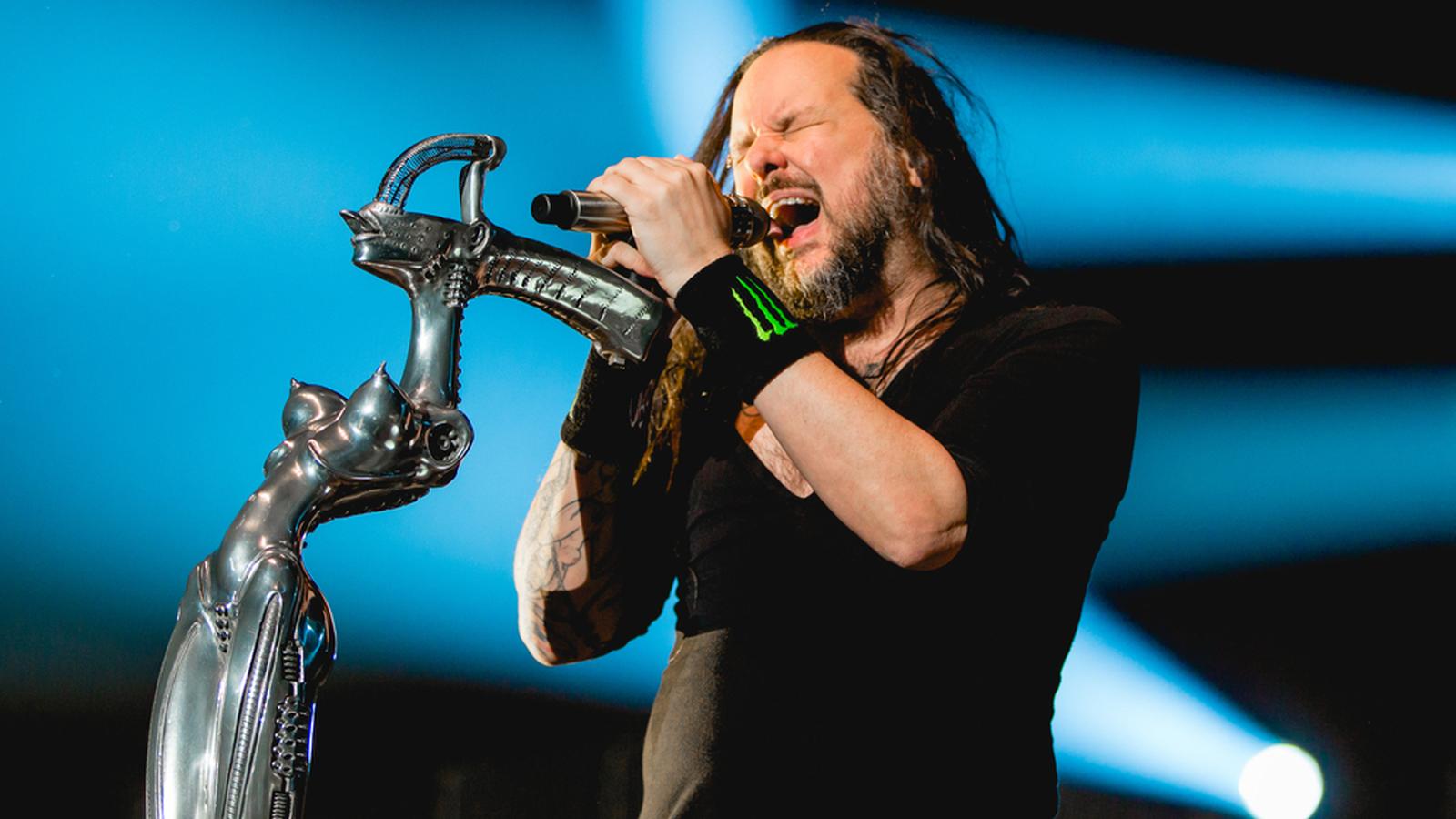
Nu-metal icons Korn have officially announced a 19-date European and UK tour scheduled for the fall of 2026. The trek, confirmed on March 16, 2026, marks a significant milestone for the band as it represents their first tour across the UK and Ireland in over a decade. The tour is set to commence on October 18 in Stuttgart, Germany, and will conclude in Milan, Italy, on November 21.
Expanding the Live Experience with Architects
The tour will feature the British metalcore band Architects as the primary support act for the duration of the 19-date run. Additional support will be provided by Youth Code and Pixel Grip, with the former opening for the first half of the tour, including all UK and Ireland dates, and the latter taking over starting from the Amsterdam show on November 8. This lineup shift highlights the band’s current commitment to curated, high-energy live performances rather than immediate studio output.
Prioritizing the Stage Over the Studio
The decision to embark on this extensive tour comes as the band openly shifts its focus away from the recording process. While Korn has teased the potential for a fifteenth studio album, members have indicated that they are not in a rush to return to the studio following their 2022 release, Requiem. Guitarist Brian “Head” Welch recently noted that the band’s current priority is entirely centered on the live show, suggesting that a new album is not an immediate necessity for their artistic direction this year.
Ticket Access and Presale Information
Fans looking to secure tickets for the upcoming shows can access an artist presale beginning at 8:00 a.m. local time on March 17, 2026, by signing up through the band’s official website. General ticket sales for the public are scheduled to begin on March 18 or March 20, depending on the specific city and venue. According to MetalSucks and Time Out, the tour itinerary includes major stops in Paris, Manchester, Amsterdam, and Berlin.
The strategic pivot toward live performance indicates that Korn is successfully leveraging its legacy status to maintain global touring relevance without the pressure of a traditional album cycle, a move that aligns with the current industry trend of prioritizing high-demand concert experiences over rapid-fire studio releases.