


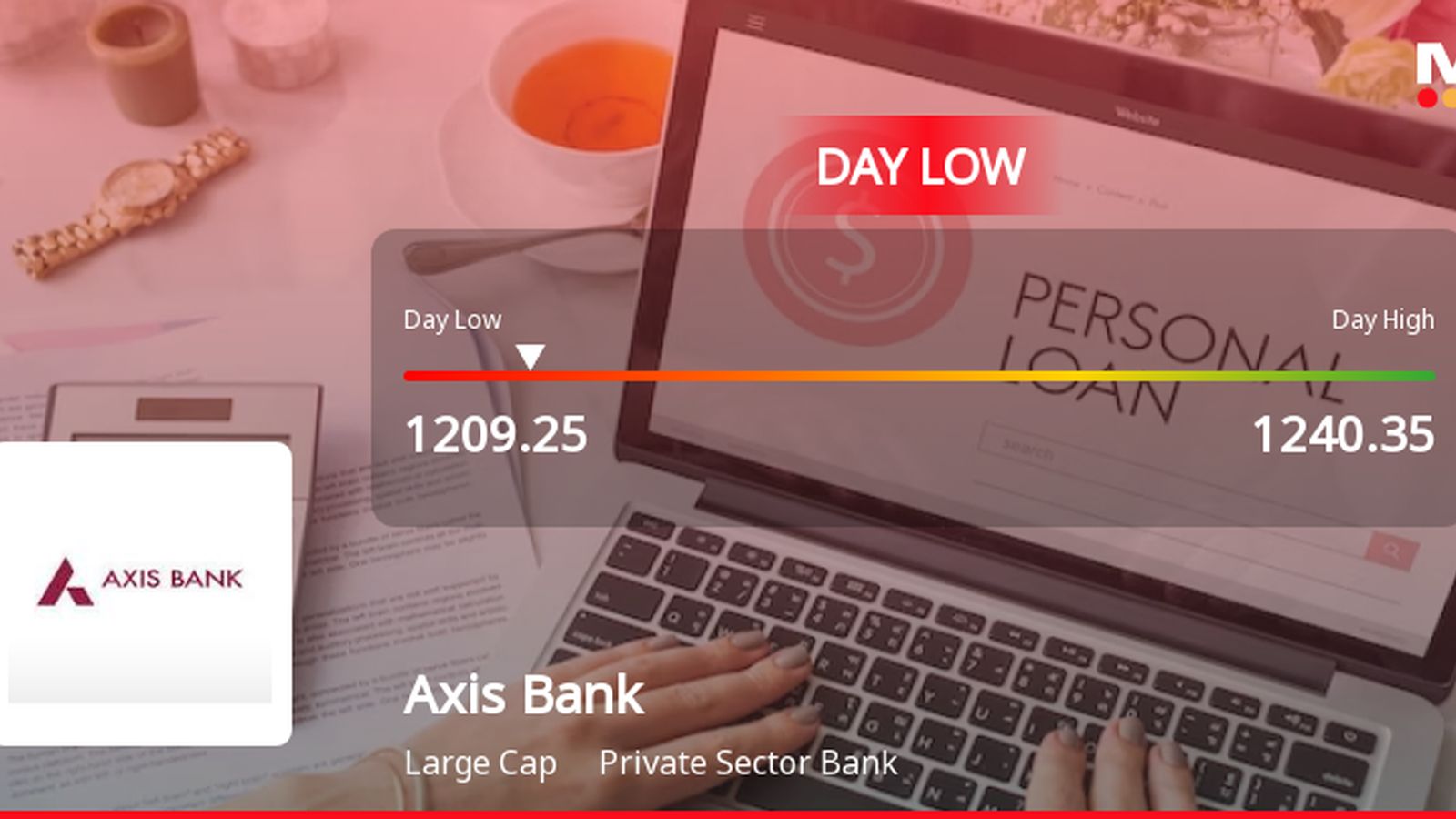
MUMBAI (Azat TV) – Shares of Axis Bank Ltd. faced significant downward pressure on March 19, 2026, hitting an intraday low of Rs 1,209.25. The 3.48% decline marked a sharp reversal for the lender, effectively ending a three-day streak of gains as the broader banking sector grappled with a massive sell-off.
Market Volatility and Banking Sector Headwinds
The decline in Axis Bank’s stock price mirrored a wider volatility spike across Indian markets. The NIFTY Bank index plunged more than 1,800 points, or roughly 3.41%, during the session. According to reports from Upstox and The Economic Times, the sector-wide downturn was heavily influenced by a sharp crash in HDFC Bank shares, which dropped as much as 8.66% following leadership changes and concerns over corporate practices.
The selling pressure was further exacerbated by external macroeconomic factors. Global crude oil prices surged to approximately $111 per barrel, heightening investor anxiety over inflation and supply chain disruptions due to escalating tensions in the Middle East. Foreign Institutional Investors (FIIs) offloaded equities worth Rs 2,714.35 crore on Wednesday, signaling a risk-off sentiment that weighed heavily on major financial institutions.
Technical Positioning and Investor Sentiment
Axis Bank’s technical outlook remains cautious as the stock is currently trading below all major moving averages, including the 50-day and 200-day marks. This positioning, combined with the sector’s broader weakness, suggests that immediate support levels remain fragile. While the stock has maintained long-term resilience—delivering a 44.62% return over the last three years—the current trading environment reflects a departure from its recent performance, with the stock underperforming relative to the Sensex on the day of the decline.
This volatility occurs despite recent strategic efforts by the bank to bolster its long-term growth. Earlier in the month, Axis Bank announced a Rs 1,500 crore capital infusion into its consumer lending subsidiary, Axis Finance. While this move was intended to strengthen the bank’s lending ecosystem following regulatory updates from the Reserve Bank of India, the positive sentiment from that announcement has been overshadowed by the day’s market-wide sell-off.
The Path Ahead for Financial Markets
Investors are now closely monitoring the Reserve Bank of India’s upcoming policy meetings for signals on interest rate directions and macroeconomic stability. With the NIFTY Bank index breaching key support levels, analysts suggest that the market may enter a period of consolidation. The divergence between the bank’s underlying operational strategy and the current bearish market trend underscores the sensitivity of large-cap financial stocks to global energy prices and institutional capital flows.
The sharp, synchronized decline across major private sector banks highlights the vulnerability of the financial index to high-weightage stock volatility and external macroeconomic shocks, suggesting that even strategic capital investments are currently insufficient to offset broader risk-off sentiment among institutional investors.