


Linguistic Signals and Diplomatic Pressure
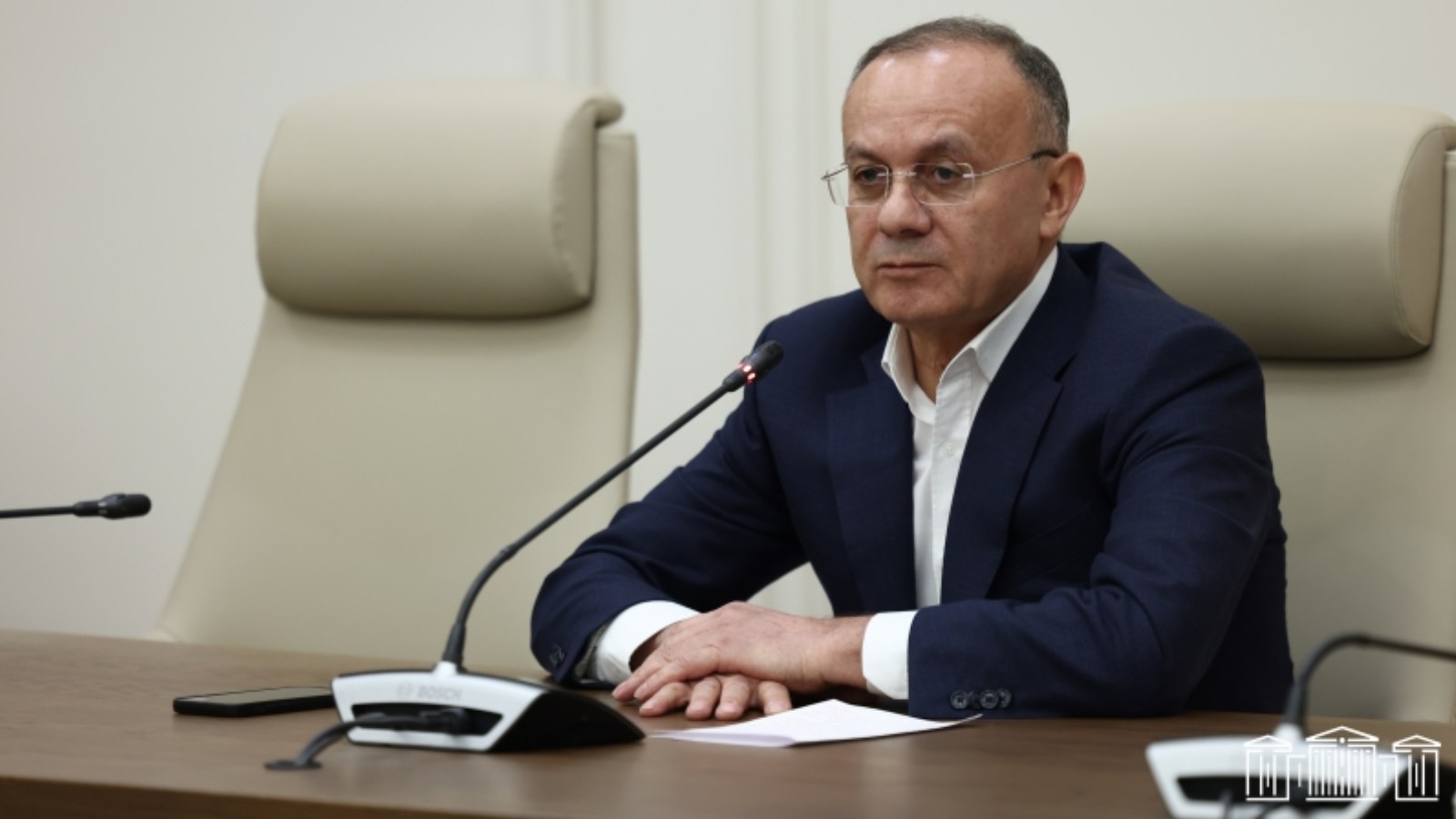
As Armenia and Azerbaijan navigate a complex normalization process, the discourse surrounding these negotiations has come under sharp scrutiny. Seyran Ohanyan, leader of the opposition “Armenia” faction and a former Minister of Defense, has highlighted a critical nuance in the rhetoric employed by Azerbaijani President Ilham Aliyev. According to Ohanyan, the consistent use of the phrase “towards the Republic of Armenia” rather than “with the Republic of Armenia” indicates that Baku continues to frame its diplomatic engagement through a lens of coercion and systemic pressure rather than equal-partner cooperation.
The Risks of Personalized Diplomacy
The opposition’s critique extends beyond semantics, addressing the structural integrity of the ongoing peace process. Ohanyan expressed deep skepticism regarding the sustainability of current diplomatic efforts, arguing that the reliance on personal negotiations between leaders risks creating a fragile peace. He noted that if the stability of the state’s security is perceived as contingent upon a single political figure, the process lacks the necessary institutional safeguards required for long-term democratic accountability.
This concern reflects a broader debate within Armenian civil society regarding the transparency of the peace negotiations. Critics argue that the current trajectory may prioritize short-term de-escalation at the expense of addressing fundamental national interests, such as sovereignty and the rule of law. The demand for clear, institutionalized parameters for any peace agreement is growing, particularly as officials in Baku continue to link future stability to specific internal changes, including potential constitutional reforms within Armenia.
Shifting the Burden of Accountability
A central tension in the current regional landscape is the inversion of roles in the international arena. Ohanyan emphasized that despite the historical context of the conflict and the documented violations of international norms, Armenia currently finds itself in a defensive position, effectively treated as the accused party in international discourse. This shift in the diplomatic narrative creates a significant challenge for Armenian policymakers, who must navigate intense external pressure while attempting to secure a peace that respects the country’s territorial integrity and human rights standards.
Ultimately, the effectiveness of the peace process will be measured not by the frequency of high-level meetings, but by the ability of both nations to move toward a relationship of mutual recognition. If the rhetoric from Baku continues to emphasize “pressure” and “demands” over the principles of sovereign equality, the path toward a durable, democratic peace will remain obstructed. For Armenia, the challenge lies in balancing the urgent need for stability with the imperative to ensure that any final settlement is grounded in firm, verifiable, and internationally recognized legal frameworks that protect the rights of all citizens.