


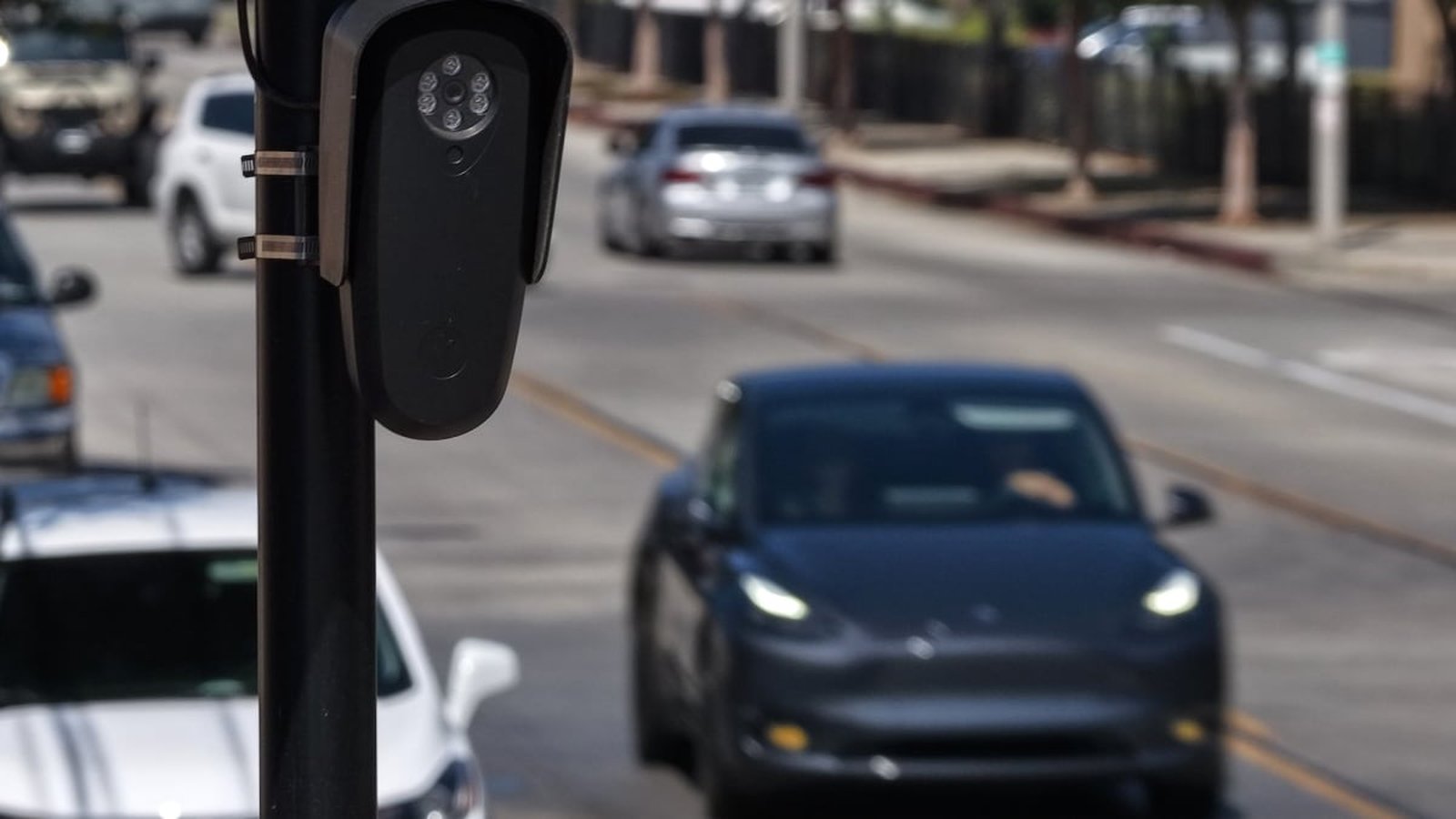
A coalition of progressive lawmakers led by Senator Bernie Sanders has introduced federal legislation aimed at halting the rapid expansion of automated license plate reader (ALPR) surveillance across the United States. Unveiled on Friday, October 2, 2026, The Ban Flock Act seeks to outlaw the deployment of ALPR technology by all federal agencies while imposing financial penalties on state and local jurisdictions that continue utilizing the surveillance tools.
The legislation is co-sponsored by Representative Alexandria Ocasio-Cortez and Senator Jeff Merkley. According to Mashable, the legislative push targets industry leader Flock Safety alongside competing automatic plate reading networks, citing severe risks to personal privacy, civil liberties, and constitutional protections against mass tracking.
Scope and Legislative Penalties
Under the terms of the proposed statute, federal entities would be strictly prohibited from procuring, maintaining, or operating automated license plate readers. Furthermore, state and local governments that choose to deploy the technology would face the forfeiture of federal funding streams, creating a powerful financial incentive for municipalities to dismantle existing camera infrastructure.
The bill also includes a private right of action, allowing individual citizens to sue the federal government in instances where their privacy rights are violated through the unauthorized deployment or use of ALPR data. Proponents argue this legal recourse is essential to hold administrative bodies accountable for unchecked digital surveillance.
Privacy Concerns and Scale of Operations
Introducing the measure, Senator Sanders criticized the pervasive nature of modern digital tracking networks. As reported by Mashable, Flock Safety has installed more than 120,000 cameras nationwide, capturing upwards of 20 billion vehicle records every month. Security vulnerabilities have also drawn intense scrutiny; recent breaches revealed that a single roadside camera log contained three weeks of activity documenting over 50,000 vehicles and producing 1.6 million images.
Critics and civil rights advocates point out that the network’s continuous data harvesting goes far beyond routine traffic management. Documented incidents show that law enforcement and federal immigration authorities have accessed aggregated state data to monitor political activists, track individuals participating in demonstrations, and follow women crossing state lines to access reproductive healthcare services.
Bipartisan Backing and Path Forward
While spearheaded by congressional progressives, opposition to unregulated private-public surveillance networks has increasingly attracted bipartisan concern. Lawmakers across the political spectrum have voiced alarm over false-positive errors, data-sharing partnerships with federal agencies, and the lack of community consent before tens of thousands of lenses are installed on local roadways.
As the bill moves through committee review, its immediate prospects remain uncertain amid heavy lobbying from security technology vendors. However, the introduction of the Ban Flock Act marks the most concerted legislative challenge yet against the proliferation of automated corporate surveillance infrastructure in American communities.