


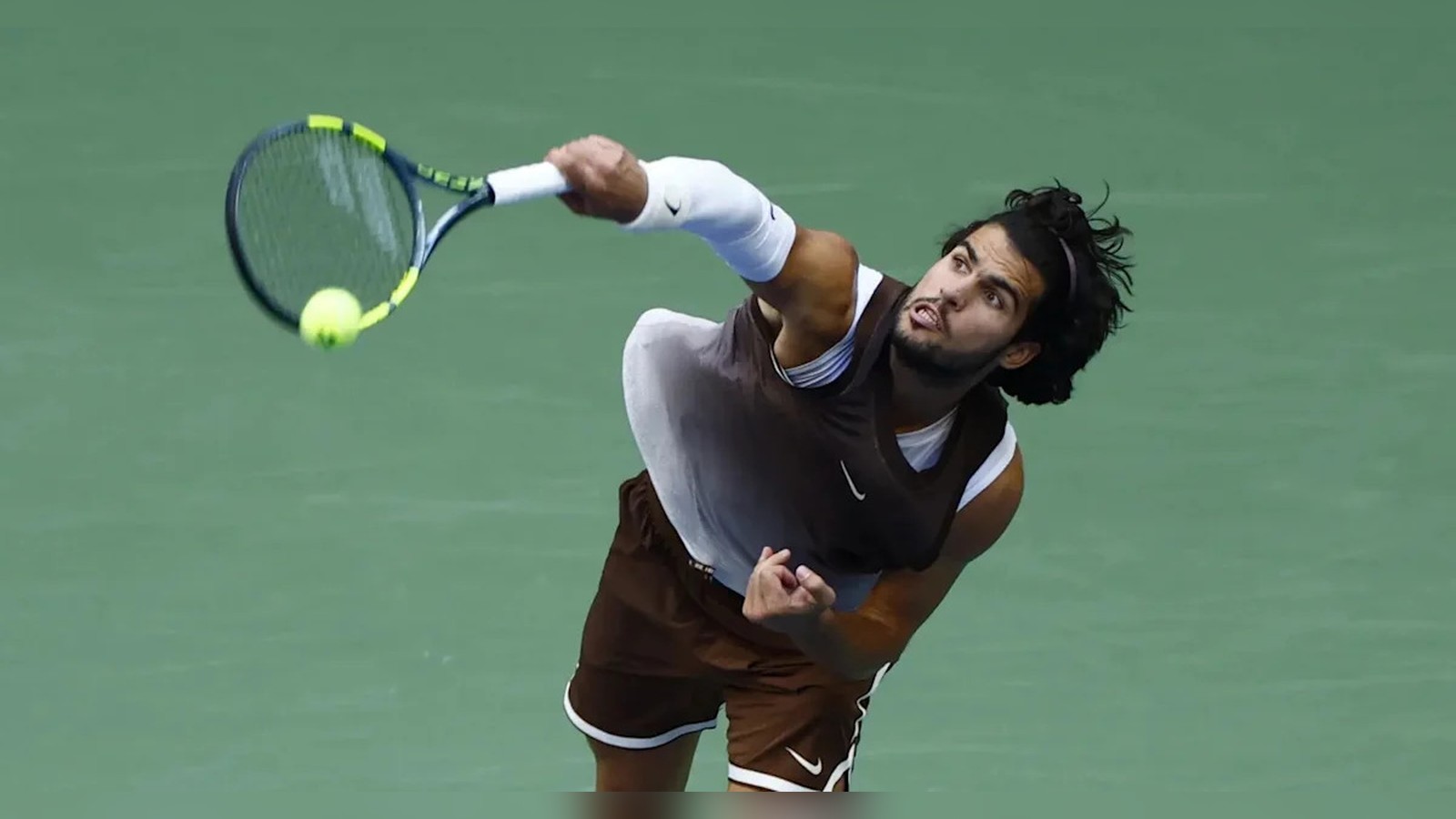
Professional tennis continues to grapple with scheduling demands as elite players voice concerns over an increasingly packed calendar. According to Yahoo Sports, Spanish tennis star Carlos Alcaraz has renewed his criticism of the Association of Tennis Professionals (ATP) tour length, pointing to physical burnout and demanding extended rest periods.
The central argument raised by top competitors is far from unfounded. The modern professional tennis calendar spans nearly the entire year, compounded by expanded 12-day formats across seven of the nine Masters 1000 tournaments. Alcaraz himself missed nearly five months due to a wrist injury, underlining the severe physical toll exacted by mandatory tour obligations and continuous competitive pressure.
The Exhibition Dilemma and Player Choice
Despite advocating for mandatory rest and warning about escalating injury risks, Alcaraz’s own scheduling decisions have drawn scrutiny. Shortly after voicing concerns about player exhaustion, the multi-time Grand Slam champion appeared at the Laver Cup in London—an optional team exhibition offering no ranking points.
When questioned about the apparent contradiction, Alcaraz explained that team competitions help restore his psychological enthusiasm and bring joy back to his game. Similar arguments accompanied his participation in lucrative exhibition showcases such as the Six Kings Slam in Riyadh and the Netflix Slam in Las Vegas.
While athletes are fully entitled to manage their free time and pursue non-ranking entertainment events, analysts note that choosing high-paying exhibitions over recovery weeks complicates complaints about mandatory tour fatigue. Elite stars retain the financial security and ranking stature to skip events selectively, a luxury unavailable to lower-ranked professionals fighting to maintain their standing inside the Top 100.
Systemic Pressures Across the Professional Ranks
Lower-ranked players face a radically different economic and competitive reality. While stars like Alcaraz can afford extended hiatuses without jeopardizing their careers, athletes outside the upper tier rely heavily on continuous tournament entries to cover travel expenses, pay coaching staff, and secure ranking points for Grand Slam qualification.
Initiatives such as the ATP’s Baseline programme, which distributed over $2 million in financial and injury support to players inside the Top 250, underscore that financial precarity remains a pressing issue for the broader tour. Industry observers emphasize that while top-tier voices are essential for compelling tournament organizers and governing bodies to address scheduling reform, their personal scheduling choices often highlight the stark divide between tennis’s global icons and its journeyman competitors.