


A New Chapter for Hamilton’s Legacy
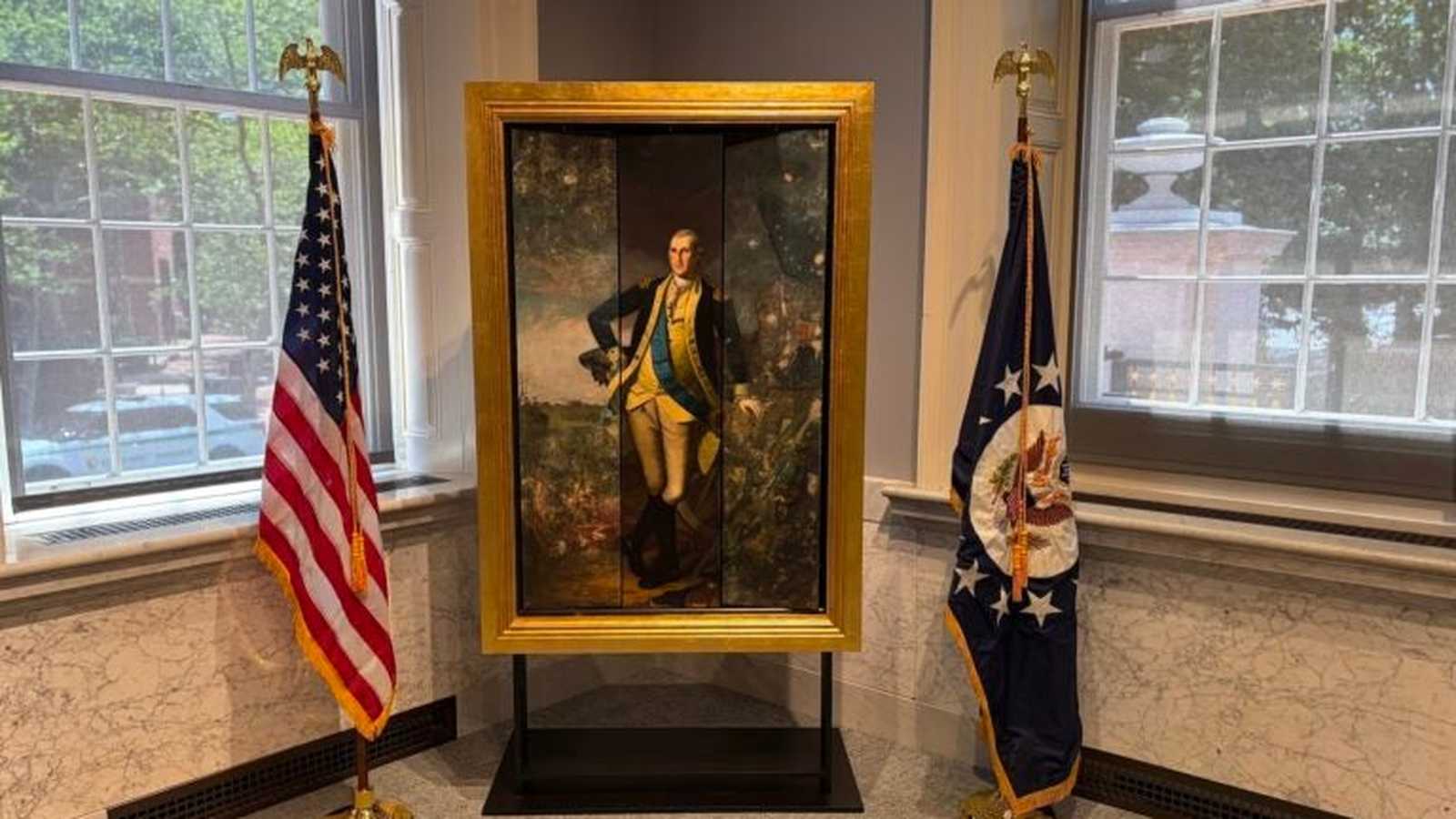
In Philadelphia’s Old City, the First Bank of the United States—a cornerstone of Alexander Hamilton’s vision for a federal financial system—reopened this week as a public museum. After $43 million in renovations by the National Park Service, the 229-year-old landmark serves as a testament to the early tensions surrounding centralized banking in America. Featuring exhibitions from the U.S. Department of State and Drexel University, the building now preserves not only architectural history but also the narratives of diplomatic relations and national celebrations.
Global Policy Shifts at the World Bank
While historic institutions are being preserved, modern multilateral banks are facing significant strategic pivots. The World Bank recently announced it is dropping its target to allocate 45 percent of its spending toward climate-related projects. This decision follows sustained pressure from the Trump administration, which has labeled the target “nonsensical” and “distortionary.” The move marks a shift away from specific input-based targets toward a broader focus on project outcomes, though the bank maintains it will continue to report on climate co-benefits and support countries in managing environmental risks.
Market Indicators: Freight Rates and Economic Signals
Meanwhile, in the private sector, U.S. Bank’s latest Freight Payment Index, produced with DAT Freight & Analytics, indicates a tightening in the logistics market. Despite a decline in shipment volumes, truck freight rates experienced significant acceleration in April and May 2026. Spot rates rose 31.29% compared to the previous year, while contract rates saw a 9% increase. Analysts suggest this reflects a lasting shift in market baselines, warning that shippers who fail to adjust their budget assumptions risk significant financial exposure.
Analysis: The Duality of Banking Roles
The current landscape highlights the dual nature of banking as both a repository of institutional stability and an active lever of geopolitical and economic policy. The reopening of the First Bank building serves as a reminder that financial institutions were historically designed to project strength and inspire public confidence. Today, that objective remains, though the mechanisms have evolved from monumental marble columns to complex global lending frameworks and digital transaction analytics.
The World Bank’s pivot suggests that institutional priorities are increasingly susceptible to the political shifts of their largest shareholders. By moving away from rigid climate targets, the institution faces the challenge of maintaining its role in the global climate finance architecture—which requires roughly $300 billion annually—while navigating the withdrawal of U.S. participation in key international agreements. Simultaneously, the data provided by commercial entities like U.S. Bank illustrates how private financial institutions have become essential providers of real-time economic intelligence. As these banks process billions in transactions, they offer a granular view of supply chain health that is arguably more vital to daily economic operations than the symbolic power of the bank buildings of the 18th century.