


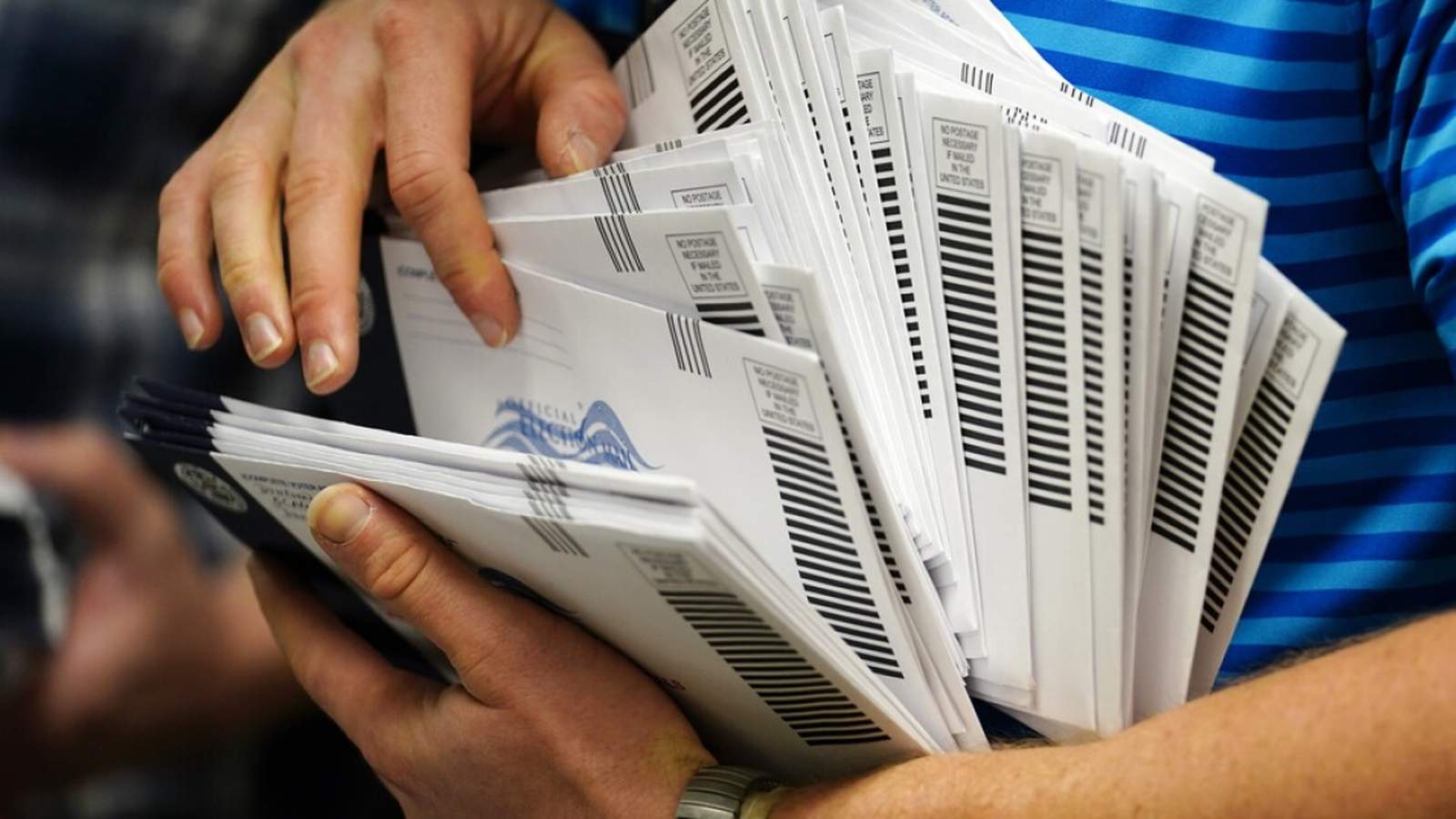
In a 5-4 decision handed down on Monday, the U.S. Supreme Court ruled that states may continue to count mail-in ballots that arrive after Election Day, provided they are postmarked by that date. The ruling effectively upholds laws in over a dozen states and the District of Columbia, sparing election officials from having to implement major procedural changes ahead of the 2026 midterm elections.
Justice Amy Coney Barrett authored the majority opinion, joined by Chief Justice John Roberts and Justices Sonia Sotomayor, Elena Kagan, and Ketanji Brown Jackson. The Court concluded that existing federal statutes regarding election deadlines do not explicitly prohibit states from establishing their own receipt windows for ballots. Justice Barrett noted that any changes to these standards remain the prerogative of Congress, not the judiciary.
Judicial Dissent and Election Integrity Concerns
Justice Samuel Alito issued a vigorous dissent, joined by three other conservative justices. Alito argued that the decision disregards statutory text and precedent, warning that it creates a “slurry of troubling election-law questions.” He specifically cited concerns that extended counting periods could undermine public confidence in the electoral process, referencing a 2005 bipartisan commission report that identified absentee balloting as a significant source of potential fraud.
The legal challenge, Watson v. RNC, emerged from a Mississippi law allowing ballots to be counted if they arrive within five business days of the election. While the Republican National Committee and supporters of the challenge argued that these grace periods invite potential fraud, the majority remained unmoved by the constitutional challenge, emphasizing that the Court cannot rewrite legislation to suit political preferences regarding ballot administration.
Institutional Stakes
The decision provides a “sigh of relief” for election administrators, according to experts like Stephen Richer, former Maricopa County election official. Many jurisdictions rely on these windows to accommodate postal delays and ensure that military and overseas voters are not disenfranchised. Conversely, the ruling has intensified calls from some conservative factions for the passage of the “SAVE America Act,” which seeks to impose stricter federal requirements on voter registration and mail-in ballot eligibility.
As the 2026 midterms approach, the ruling clarifies the legal landscape for state-level election management but leaves the broader political debate over election integrity unresolved. While the majority focused on narrow statutory interpretation, the dissent highlights a deepening divide within the Court regarding the balance between administrative flexibility and the perception of election security.