


Legislative Push Gains Momentum
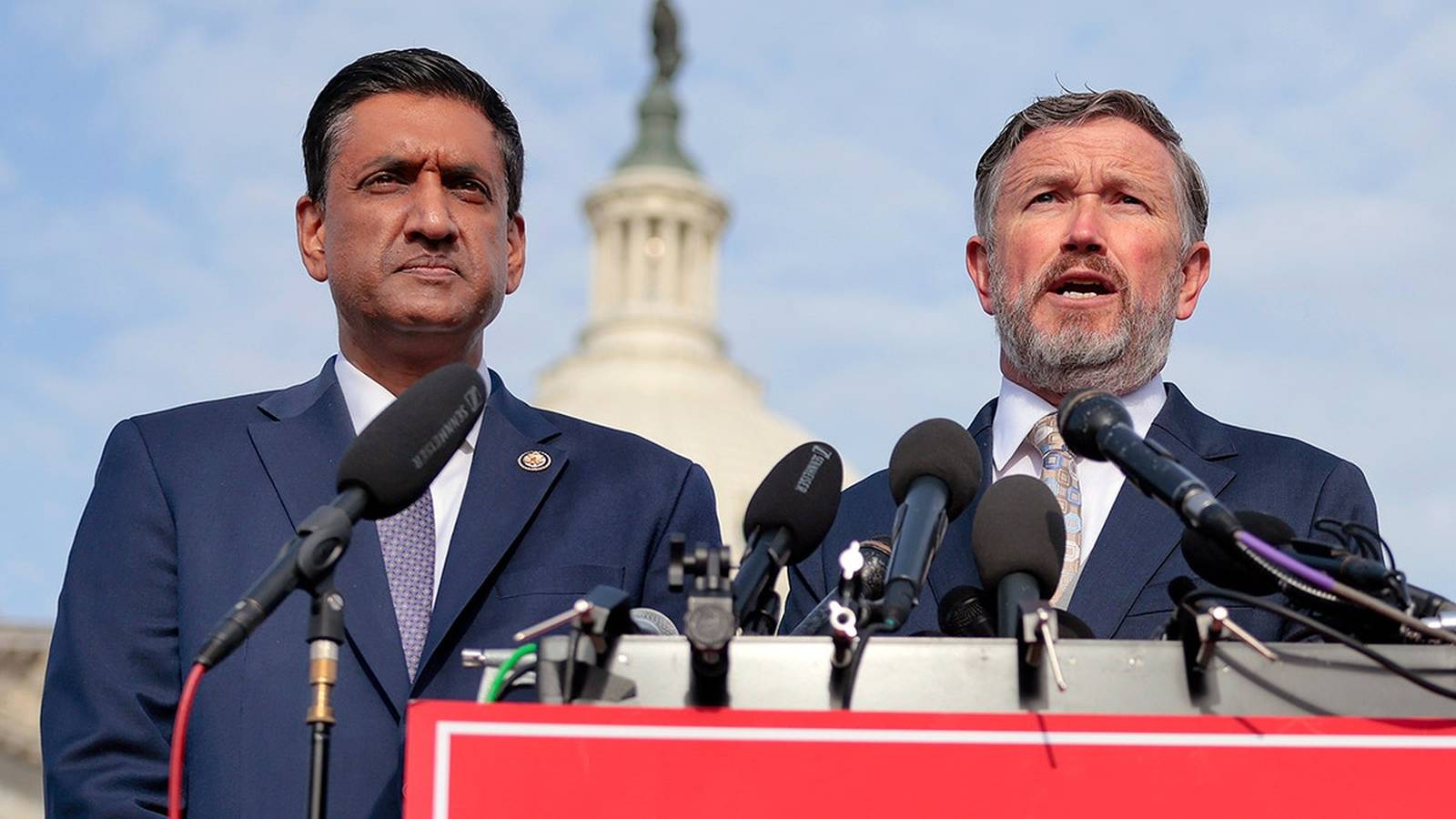
Republican Representative Thomas Massie has introduced an amendment to a National Security spending bill that would eliminate the $3.3 billion in annual foreign military aid currently provided to Israel. The proposed measure, which does not impact separate missile defense funding like the Iron Dome, has become a focal point of internal friction within the Democratic caucus.
While the legislation is not expected to reach the House floor until after the July Fourth recess, it has already forced a public reckoning among Democrats. Progressive members, including Representative Greg Casar, the chair of the Congressional Progressive Caucus, have publicly stated their intention to support the measure, citing concerns over Israeli military actions in Gaza and the broader regional tensions with Iran.
Democratic Party Tensions
The amendment has created a complex political dilemma for House Democratic leadership. During a recent caucus call, Representative Rosa DeLauro (D-Conn.), the Ranking Member of the House Appropriations Committee, warned that the amendment could have unintended consequences, potentially impeding humanitarian aid to Palestinians. Other senior Democrats, including Representatives Brad Schneider, Debbie Wasserman Schultz, and Greg Landsman, have also voiced strong opposition to the proposal.
Despite the leadership’s resistance, the issue reflects a shifting sentiment among the Democratic base. Political analysts note that opposition to military funding for Israel is increasingly becoming a litmus test in competitive primary races. Some Democratic members suspect that Republican leadership allowed Massie’s amendment to reach the committee stage specifically to exploit these internal divisions ahead of the mid-term elections.
Broader Context
The debate over foreign aid occurs against a backdrop of domestic economic pressure. President Donald Trump has recently ramped up his rhetoric against US petrol retailers, threatening “big problems” if prices are not lowered to approximately $2.50 per gallon. The administration is currently under scrutiny for the economic impact of the ongoing conflict with Iran, with the Department of Justice investigating major oil companies for potential price gouging. As the mid-term elections approach, both the administration’s economic policies and the party’s stance on foreign military spending are expected to remain central to the political discourse.