


Emergency Response in Short Strand
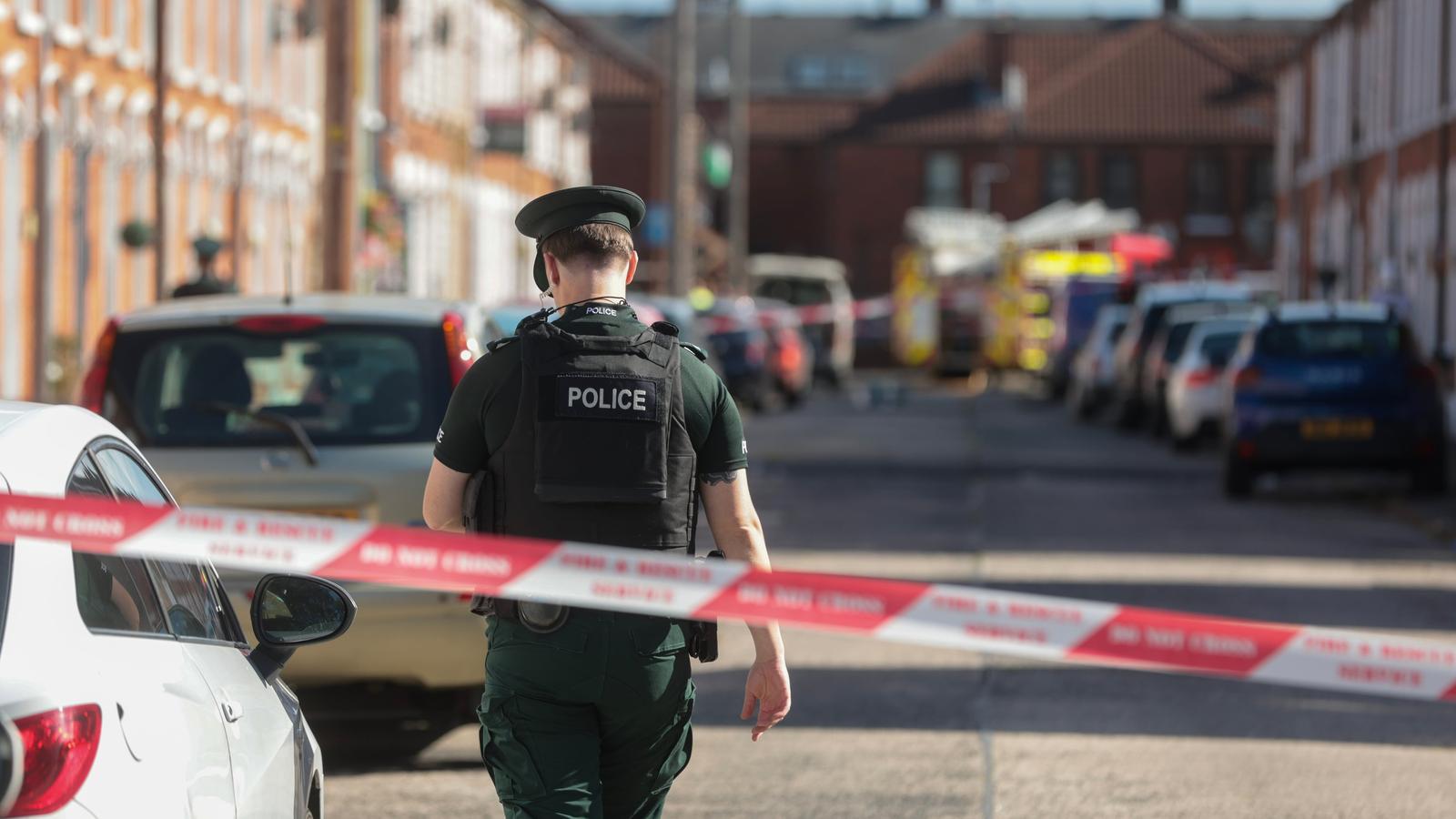
Emergency services in Belfast launched a significant response operation on Wednesday morning after a female resident claimed to have come into contact with the nerve agent Novichok. Personnel from the Police Service of Northern Ireland (PSNI), the Northern Ireland Fire & Rescue Service (NIFRS), and the Northern Ireland Ambulance Service were dispatched to Harper Street in the Short Strand area shortly after 10:15 a.m., according to LBC.
As a precautionary measure, local residents on the terraced street were instructed to evacuate their homes while emergency crews established a cordon. First responders were observed wearing protective face masks and specialized gear to inspect the property in question. The operation involved at least four NIFRS appliances, three ambulances, and a specialized incident response unit, as reported by the Irish News.
Investigation Findings
Following a thorough inspection of the premises, officials found no evidence of the toxic nerve agent. According to the Belfast Telegraph, operations were scaled back once the site was declared safe. Authorities confirmed that the woman was placed into the care of ambulance crews, and the situation is now being handled as a concern for personal safety rather than a broader public threat.
The PSNI issued a statement noting they were aware of public speculation regarding the nature of the incident but emphasized that there was no wider threat to the public at any point. The incident concluded without further escalation, and emergency crews have since departed the scene.
Historical Context of Novichok
Novichok, a class of highly toxic nerve agents developed by the Soviet Union in the 1970s and 1980s, gained international notoriety following the 2018 poisoning of former Russian double agent Sergei Skripal and his daughter Yulia in Salisbury, England. While both recovered, the incident resulted in the death of Dawn Sturgess, who later came into contact with the substance from a discarded perfume bottle. A subsequent UK public inquiry concluded that Russian President Vladimir Putin bore moral responsibility for her death, a finding the Kremlin has consistently denied.