


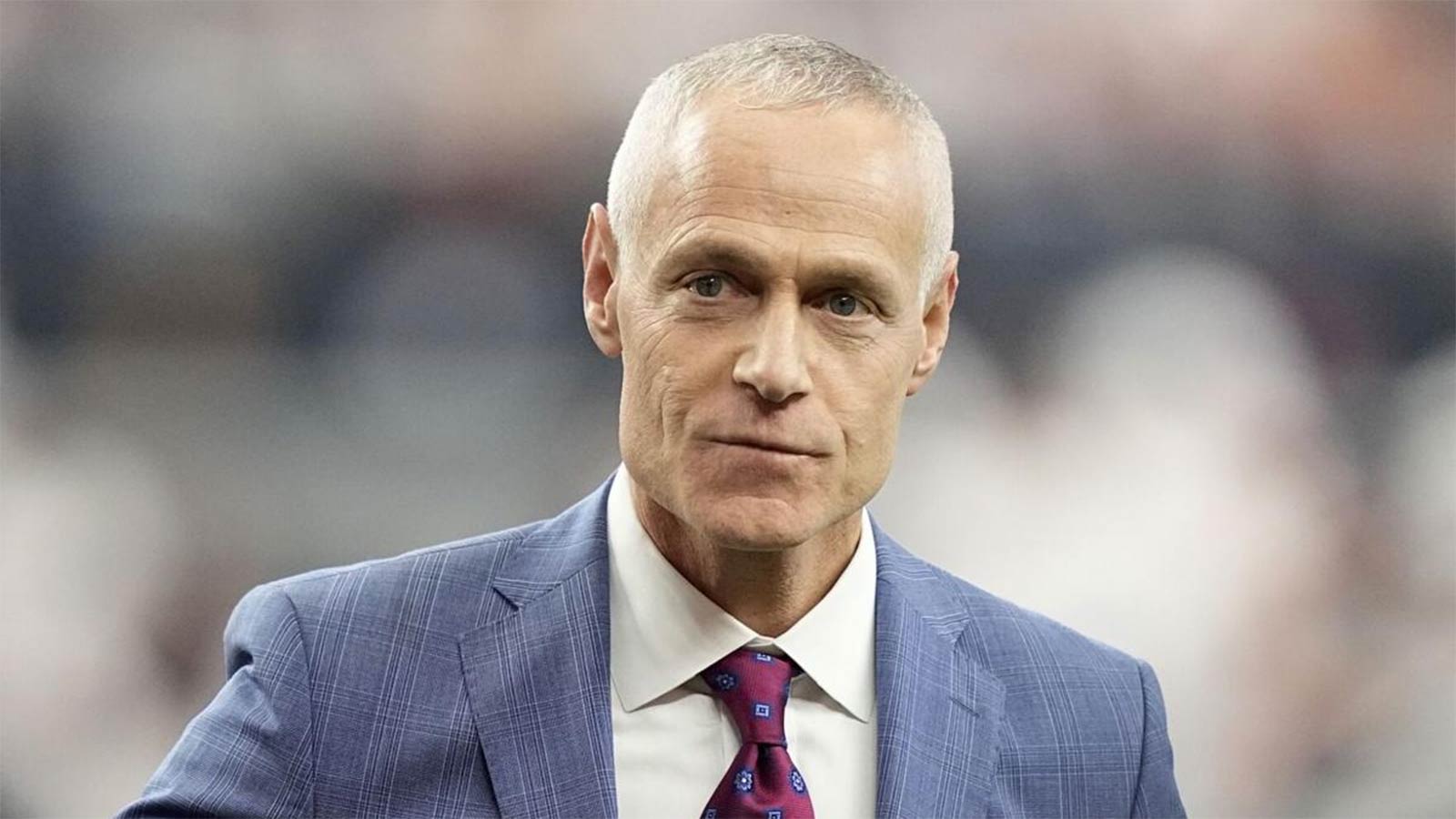
Brett Yormark’s Leadership Faces a Crucial Test
In the charged atmosphere of collegiate athletics, where passion can sometimes tip into hostility, Big 12 commissioner Brett Yormark found himself at the center of a growing controversy in 2025. The issue: repeated derogatory chants aimed at Brigham Young University (BYU), particularly targeting its Latter-day Saint affiliation, during football games at multiple Big 12 venues. As the chants echoed through stadiums in Arizona, Colorado, and Cincinnati—most notably the explicit “F— the Mormons”—the conversation shifted from isolated incidents to a league-wide concern about respect, inclusion, and the responsibility of leadership.
From Stadium Chants to Policy Reform: How the Big 12 Responded
Yormark’s response was swift and unequivocal. “We have zero tolerance for it, and it starts with me, both on a personal and professional level,” he declared (The Salt Lake Tribune, Dec 2025). His words weren’t just rhetoric. When the offensive chant broke out in Boulder, the Big 12 fined the University of Colorado $50,000—a significant penalty intended to send a clear message about accountability. The university also ramped up security at subsequent games. Yet, when similar incidents occurred in Cincinnati a month later, there were no public repercussions, raising questions about consistency and enforcement across the conference.
Yormark acknowledged the gaps, admitting that the league’s existing sportsmanship code—which outlines the commitment of member institutions to respect both opponents and officials—might not be enough. “We are going to come together as 16 institutions following this football season and figure out how we can get better. It’s about changing behavior, and we will do that,” he promised, signaling a move toward more robust and uniform policies.
Conversations and Collaboration: BYU’s Role in Shaping the Response
BYU, owned and operated by The Church of Jesus Christ of Latter-day Saints, found itself in an uncomfortable spotlight. Yormark emphasized ongoing dialogue with BYU President Shane Reese and Athletics Director Brian Santiago, noting that “BYU has been a fantastic addition to this conference, and they have created enormous value for the Big 12.” The commissioner’s message was clear: “Zero tolerance, and the folks at BYU are very much aware of that.” By collaborating directly with BYU leadership, Yormark aimed to reassure both the institution and its supporters that the Big 12 would take concrete steps to protect its members from targeted harassment.
The situation also drew commentary from former Utah star Britain Covey, who shared his own experiences with the chant, underscoring the broader impact of such behavior beyond just one school or one game.
Shifting the Culture: The Challenge Ahead for the Big 12
Yormark’s commitment to change goes beyond punitive measures. The league’s sportsmanship policy, while a starting point, is now under review, with discussions about developing stricter rules to address hate speech and derogatory fan behavior. This process will involve all 16 member institutions, seeking not just to curb specific chants but to foster a culture of respect across the conference.
For Yormark, the challenge is both personal and systemic. His insistence that change “starts with me” reflects a willingness to be held accountable—a stance that resonates in an era when sports leaders are increasingly expected to address social issues head-on. But the effectiveness of his approach will depend on the ability of the Big 12 to enforce consistent standards and ensure that all schools, not just those directly affected, are part of the solution.
At stake is more than just the reputation of a single university or conference; it’s a test of whether collegiate sports can truly be a space for inclusion and mutual respect, regardless of religious affiliation or background. The outcome will likely shape not only future policies in the Big 12 but also set an example for other leagues facing similar challenges.
Brett Yormark’s stand against derogatory chants marks a pivotal moment for the Big 12, illustrating the complexities of balancing free expression with the responsibility to protect all members from targeted hostility. His leadership will be measured not just by words, but by the concrete steps taken to transform the conference’s culture—an effort that, if successful, could reverberate across the wider landscape of collegiate athletics.