


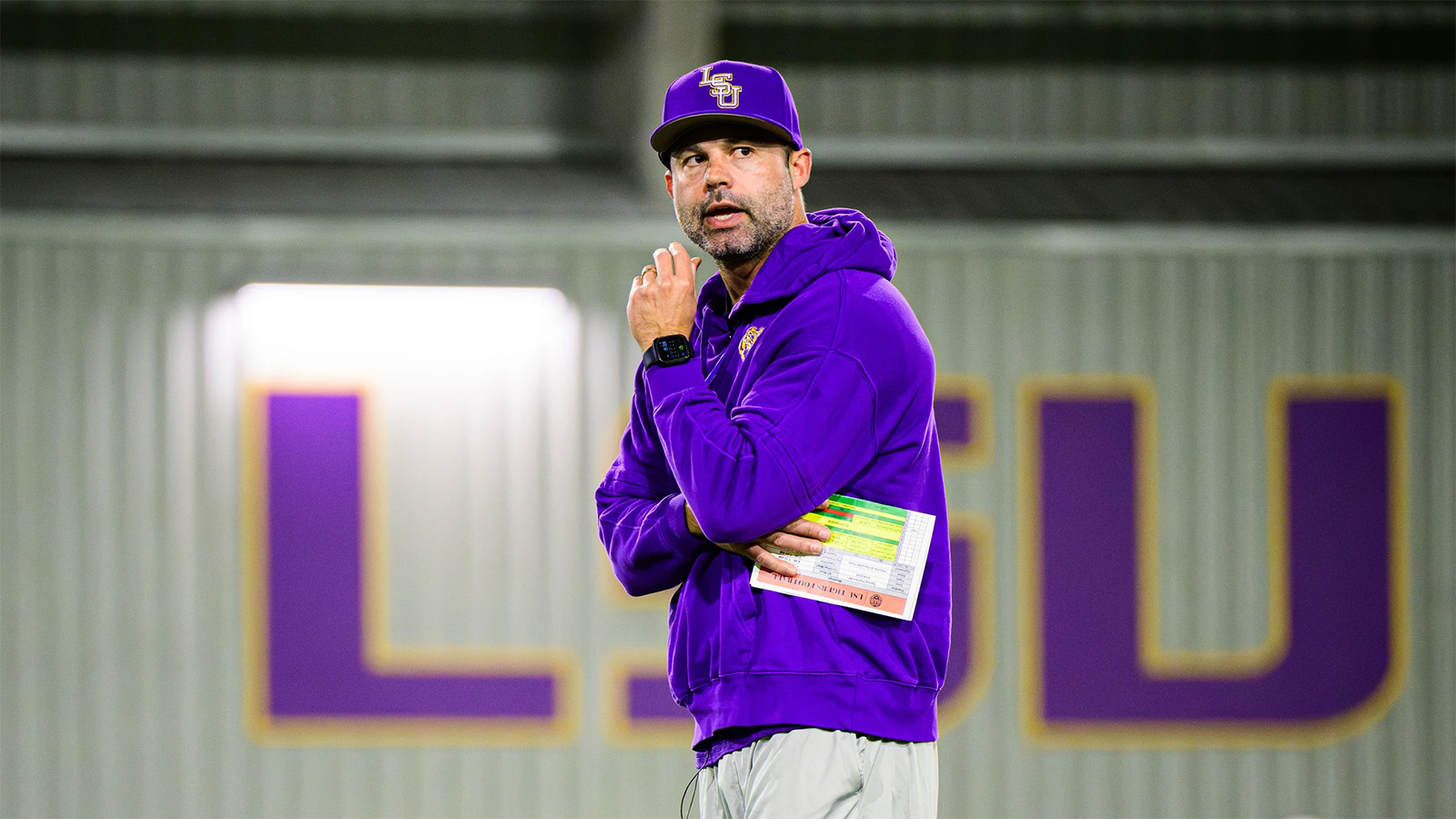
Blake Baker Chooses Stability at LSU Over Head Coaching Ambitions
In a move that reverberated across college football, Blake Baker, LSU’s defensive coordinator, has decided to stay in Baton Rouge, rebuffing serious interest from Tulane and Memphis for their head coaching vacancies. The announcement, made by LSU head coach Lane Kiffin via X (formerly Twitter) on Friday, marks a strategic victory for the Tigers and signals Baker’s continued commitment to elevating LSU’s defense.
A Coveted Leader: Baker’s Journey and Recent Offers
Few coordinators have been as sought after as Blake Baker in 2025. Sources close to the program revealed that Baker, 43, was not only a finalist for both Tulane and Memphis head coaching jobs this week, but also a strong candidate who impressed during interviews. His track record at LSU—where he has led the defense for the past two seasons—made him a natural choice for programs looking to inject new energy and discipline.
Baker’s ties to Tulane run deep. As a former Green Wave linebacker, the allure of returning as head coach must have been strong. Yet, the decision to remain at LSU speaks to both his loyalty and the evolving culture under Lane Kiffin, who made retaining Baker a top priority. Kiffin’s swift action, coupled with Baker’s reputation as one of the nation’s highest-paid assistants (earning $2.5 million annually), set the stage for negotiations that would ultimately keep Baker in purple and gold.
Defensive Excellence and Future Prospects
Under Baker’s guidance, LSU’s defense has become a force in college football. The Tigers finished the season ranked 15th in scoring defense and 25th in total defense nationally, according to ESPN. These statistics are more than just numbers—they’re a testament to Baker’s philosophy, which emphasizes aggressive play, discipline, and adaptability. His leadership has not only improved LSU’s defensive stats but also helped attract elite talent to Baton Rouge.
On the same day Baker’s retention was confirmed, LSU landed two major recruits: defensive tackle Lamar Brown (ESPN’s No. 1 overall recruit) and Deuce Geralds (No. 37). The synergy between coaching stability and recruiting success can’t be overstated. Young athletes want to play for programs with a clear vision, and Baker’s continued presence sends a strong message: LSU is committed to building and maintaining a championship-caliber defense.
A Revised Contract and the Implications for LSU
Staying at LSU comes with tangible rewards for Baker. He is expected to receive a revised contract and a raise, reinforcing his value not only as a tactician but also as a pillar of the Tigers’ coaching staff. This investment is a sign that LSU views Baker as more than just a coordinator; he is integral to the program’s identity and future success.
Baker’s career has spanned several notable stops. Before returning to LSU for his second stint in 2023, he coached the team’s linebackers in 2021. His resume also includes coordinator roles at Louisiana Tech, Miami, and Missouri, each chapter sharpening his approach to defense. This breadth of experience makes Baker uniquely equipped to mentor young athletes and adapt to the fast-changing dynamics of college football.
Why Baker Stayed: Loyalty, Legacy, and Opportunity
The decision to remain at LSU wasn’t simply about money or convenience. For Baker, the choice represents a blend of professional loyalty and unfinished business. While the lure of head coaching—especially at his alma mater—must have been tempting, the chance to continue shaping LSU’s defensive legacy appears to have won out. For Kiffin, keeping Baker means maintaining continuity in a program that has seen its share of coaching turnover in recent years.
Fans and analysts alike have speculated about Baker’s next steps, especially given his upward trajectory. But for now, his focus remains on Baton Rouge, where expectations are high and the tools for success are in place. The combination of returning talent, new recruits, and a reenergized coaching staff sets the stage for another competitive campaign in 2025.
The Ripple Effect: What This Means for College Football
Baker’s decision to stay at LSU is more than just a win for the Tigers—it’s a reminder of the evolving landscape in college football. Assistant coaches are increasingly recognized not just for their on-field impact, but also for their ability to shape culture and attract talent. Programs willing to invest in their coordinators, both financially and strategically, may find themselves better positioned to weather the storms of recruitment and competition.
As other programs take note, the race to retain top assistants is likely to intensify. For LSU, the outcome is clear: by doubling down on their defensive vision and leadership, they’re signaling a commitment to excellence that extends beyond this season.
Blake Baker’s choice to remain with LSU, despite tempting head coaching offers, reflects both his professional loyalty and the university’s growing commitment to building a sustainable, top-tier football program. The immediate impact is stability; the long-term potential is a defensive legacy that could define LSU for years to come.