


FDA Flags Over Half a Million Bottles of Blood Pressure Medication for Cancer-Causing Impurity
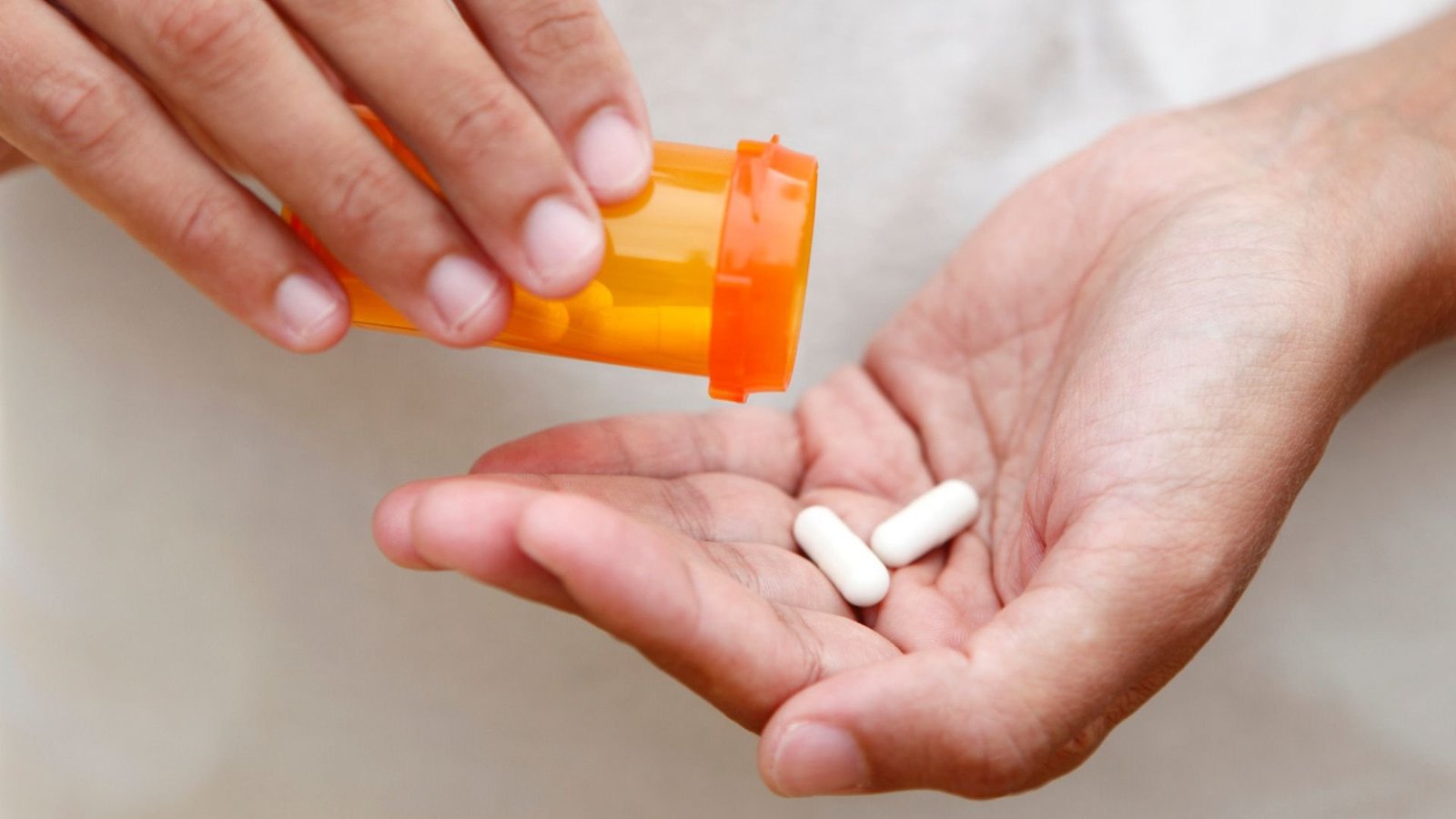
In a sweeping recall that has sent ripples through pharmacies and households across the United States, Teva Pharmaceuticals USA has pulled more than 580,000 bottles of prazosin hydrochloride capsules off the shelves. The move, prompted by the discovery of elevated levels of a cancer-linked chemical impurity, marks one of the largest recent recalls involving blood pressure medication.
Which Medications Are Affected?
The recall centers on prazosin hydrochloride, a widely prescribed alpha-blocker for hypertension—often known by its generic name or brand name Minipress. According to the U.S. Food and Drug Administration (FDA), the affected products include bottles in 1 mg, 2 mg, and 5 mg dosages. Both 100-count and 1000-count bottles are impacted, distributed nationwide by Teva Pharmaceuticals, based in Parsippany, New Jersey.
Specific National Drug Codes (NDCs) and lot numbers have been identified, with expiration dates ranging from October 2025 through February 2028. Patients are advised to carefully check their medication labels for these details. The full list of affected lots is extensive, covering multiple batches for each dosage, and can be viewed on the FDA website or through pharmacy notifications.
Why Was the Recall Initiated?
At the heart of the recall is the detection of nitrosamines—specifically, “N-nitroso Prazosin impurity C.” Nitrosamines are a group of chemicals known for their potential to cause cancer in humans. In this case, testing revealed concentrations “above the Carcinogenic Potency Categorization Approach (CPCA) acceptable intake limit,” as documented in a cGMP Deviation Investigation and enforcement report.
The FDA classified the recall as Class II, indicating a “medium” level of risk. This means the medication may cause temporary or medically reversible health effects, but the likelihood of severe or lasting harm is considered remote. Still, the risk is significant enough to warrant caution, especially for patients who rely on prazosin hydrochloride for blood pressure management.
What Is Prazosin and Who Uses It?
Prazosin is an alpha-blocker commonly prescribed to lower blood pressure and alleviate symptoms of hypertension. It works by relaxing blood vessels, making it easier for the heart to pump blood. Some patients also take prazosin for conditions like benign prostatic hyperplasia (BPH) and post-traumatic stress disorder (PTSD) symptoms, though its primary use remains hypertension control.
Given its broad application, the recall affects a diverse population—ranging from older adults managing chronic conditions to younger patients with specific medical needs. The medication’s popularity means the impact of this recall is far-reaching, touching pharmacies, clinics, and individual households across the nation.
How Should Patients Respond?
If you discover that your bottle of prazosin hydrochloride matches one of the recalled lot numbers or expiration dates, experts urge you not to panic but to act promptly. The first step is to contact your healthcare provider. Do not discontinue the medication abruptly, as uncontrolled blood pressure can pose immediate health risks.
Healthcare professionals may recommend switching to an alternative batch or medication. While Teva Pharmaceuticals has not released detailed instructions for patients, resources like GoodRx and pharmacy hotlines can provide guidance on drug recalls. Pharmacies may offer exchanges or returns for affected products, ensuring continuity of care while minimizing risk.
Importantly, patients are reminded to report any adverse effects to their prescriber and to monitor for symptoms such as unusual fatigue, dizziness, or other changes in health status. Open communication with healthcare providers is key during drug recalls, especially for those with complex medical histories.
Industry and Regulatory Response
The recall was initiated on October 7, according to NBC Chicago, with the FDA officially classifying it as Class II on October 24. The California Board of Pharmacy, referencing Teva’s Health Hazard Assessment, has rated the overall harm in the patient population as “medium.”
This incident follows other recent pharmaceutical recalls, including a widely-used cholesterol medication, Lipitor, which was pulled from shelves due to dissolution issues. The recurring theme underscores the importance of rigorous quality control and the challenges faced by drug manufacturers in maintaining safety standards.
As of publication, Teva Pharmaceuticals has not issued a public statement addressing patient concerns, and requests for comment remain unanswered. The company’s swift action to voluntarily recall the products, however, reflects industry protocols designed to protect public health.
Understanding Nitrosamines: The Cancer Risk Explained
Nitrosamines, the chemical impurities at the center of this recall, are formed during the manufacturing process of certain pharmaceuticals. The “N-nitroso Prazosin impurity C” found in these capsules exceeded safety thresholds established by international health authorities. Long-term exposure to nitrosamines has been linked to an increased risk of cancer, though the risk from short-term exposure in this context is considered low.
Regulators worldwide have tightened scrutiny over nitrosamine contamination following high-profile recalls in recent years. The pharmaceutical industry now faces heightened pressure to refine manufacturing processes and implement robust testing protocols to prevent future incidents.
What’s Next for Patients and the Pharmaceutical Sector?
For patients, the immediate priority is safety. Checking medication labels, consulting doctors, and following recall instructions are crucial steps. For the pharmaceutical sector, this recall serves as a stark reminder of the stakes involved in drug production and the imperative for ongoing vigilance.
As investigations continue and regulatory agencies monitor compliance, the hope is that lessons learned from this episode will drive improvements in quality assurance and patient safety across the industry.
This recall highlights the delicate balance between rapid response and patient reassurance in pharmaceutical safety. While the risk to most patients remains low, the incident underscores the importance of transparent communication, robust manufacturing standards, and proactive regulatory oversight in safeguarding public health.