


A Breakthrough Years in the Making
In September 2026, the U.S. Food and Drug Administration (FDA) granted approval to Fayuvi, a pioneering one-time gene therapy treatment for Sanfilippo syndrome. The approval follows a decades-long research journey that faced potential cancellation before being sustained by a grassroots movement of affected families. As reported by NPR, the therapy utilizes a modified virus to deliver a functional copy of a faulty gene, addressing the metabolic inability of patients to break down heparin sulfate, a molecule essential for cellular health.
Sanfilippo syndrome is a rare, inherited metabolic disorder that leads to severe neurological decline, including the loss of speech, mobility, and the onset of seizures. Historically, patients with this condition rarely survived past their teenage years. The clinical path to Fayuvi began at Nationwide Children’s Hospital in Columbus, Ohio, where researcher Haiyan Fu initiated gene therapy experiments on mice in the late 1990s.
The Role of Family-Led Advocacy
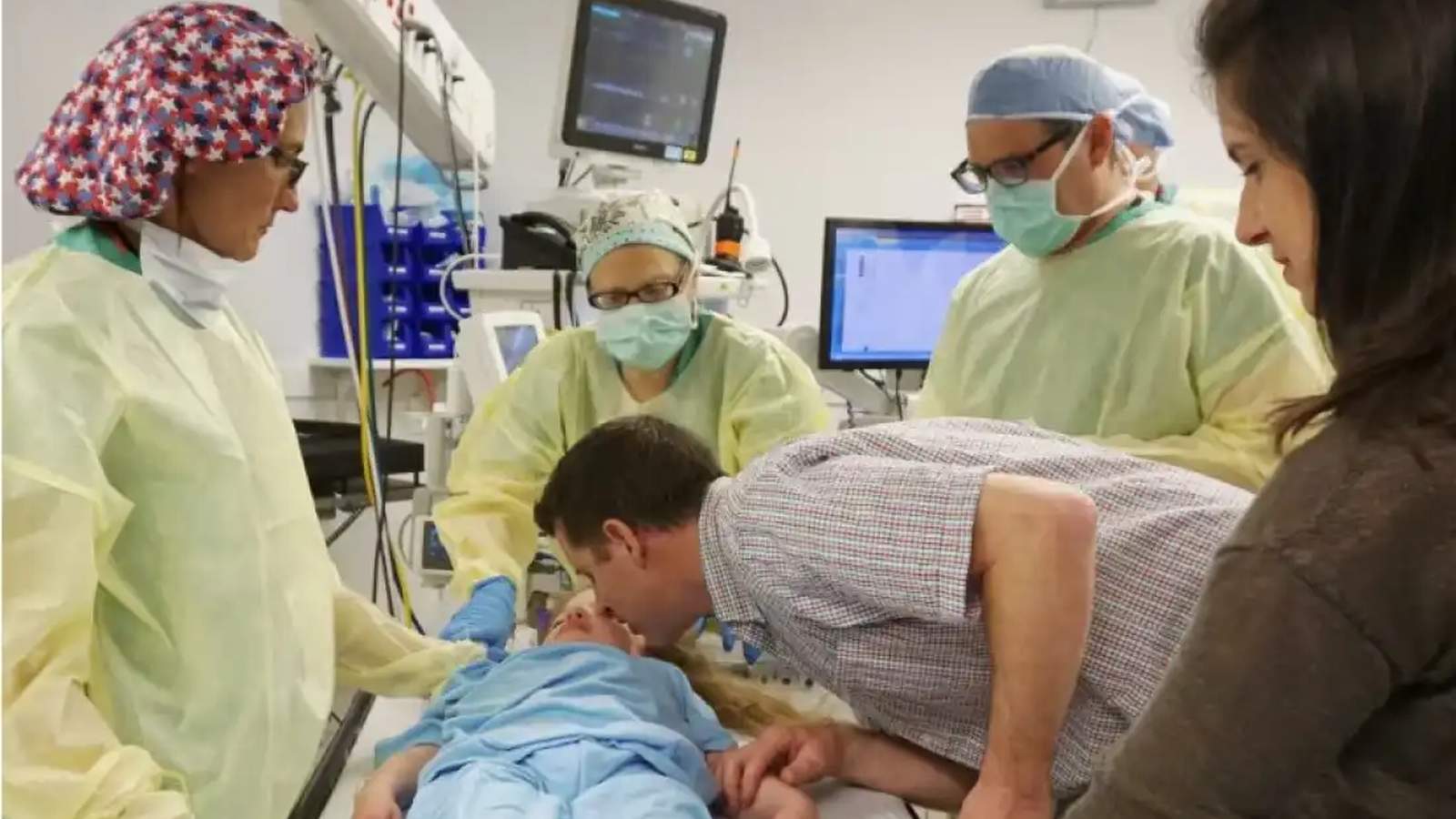
The research nearly stalled in 2009 due to funding shortages. However, a coalition of patient foundations, including those established by families like the O’Neills, intervened to provide the necessary capital to keep the project viable. In 2014, Cara and Glenn O’Neill, whose daughter Eliza was diagnosed with the condition, produced a viral video campaign titled “Saving Eliza.” The campaign successfully raised over $2 million on GoFundMe, providing the essential liquidity required to transition the research into its first human clinical trial, which commenced in May 2016.
The promise shown in early trials eventually attracted the attention of the biotech industry. Ultragenyx, a biotechnology company, acquired the rights to the therapy in 2022 and steered it through the final stages of data submission to federal regulators.
Clinical Impact and Pricing
Ultragenyx CEO Emil Kakkis noted that the efficacy of the treatment is highly dependent on the timing of administration. “The treatment will work best the younger the child is because the more brain is remaining,” Kakkis stated. While the therapy represents a medical breakthrough, it has also entered the market as one of the most expensive treatments in existence, with a list price of nearly $4 million, according to data from 46brooklyn. Ultragenyx has publicly committed to ensuring patient access, aiming to remove logistical barriers that might prevent treatment.
For Eliza O’Neill, now nearly 17, the therapy arrived after she had already lost the ability to speak. While her speech did not return, she remains active and continues to participate in daily activities, illustrating both the necessity of early intervention and the life-altering potential of gene therapy research sustained by persistent community support.