


The Shadow of 2018
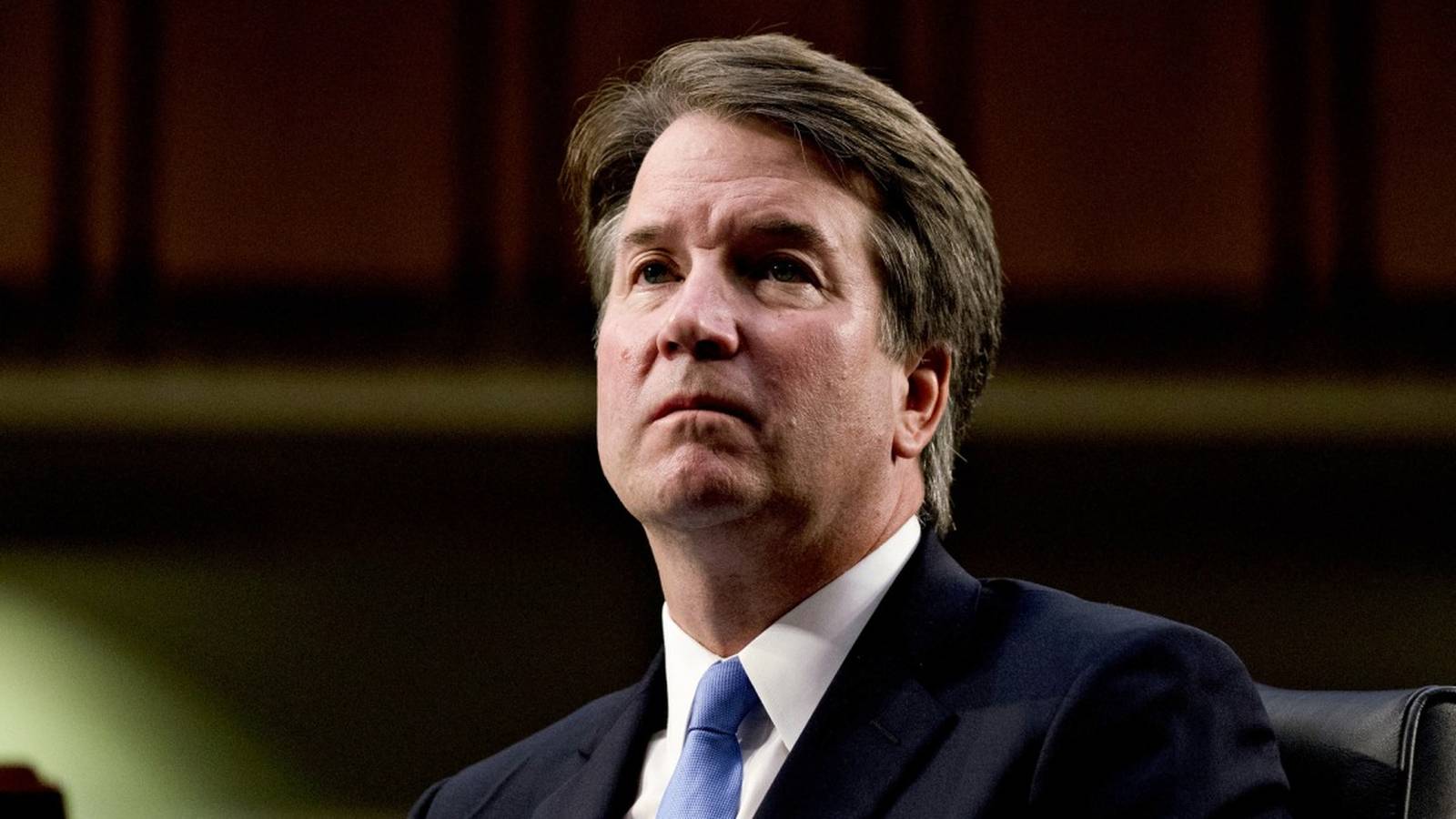
Eight years after his contentious confirmation, Supreme Court Justice Brett Kavanaugh has emerged as a primary focus in the 2026 Maine Senate race. Democratic challenger Graham Platner and his supporters are leveraging Senator Susan Collins’ pivotal 2018 vote to confirm Kavanaugh as a central argument against her re-election, particularly in light of the 2022 Supreme Court decision to overturn Roe v. Wade.
Collins, a Republican who famously cited Kavanaugh’s view of Roe as “settled law” during her deliberation, has faced persistent criticism since the 2022 ruling. During his primary victory remarks, Platner directly challenged the Senator, stating, “She got elected promising to protect Roe v. Wade, only to turn around and put a justice on the Supreme Court who overturned it.”
Analysis: A Political Battlefield
Maine is unique among battleground states, as it has historically elected Republican senators while maintaining strong support for reproductive rights. This dynamic makes the Kavanaugh vote a potent tool for the Senate Majority PAC, which is expected to run targeted advertisements framing Collins as the decisive factor in the current Court’s conservative shift. Internal polling suggests that abortion rights remain a top-tier motivating issue for Maine Democrats.
The race is further complicated by personal controversies. While Platner attacks Collins over judicial records, he himself is facing allegations of “toxic” behavior and physical threats from a former partner, Lyndsey Fifield. Interestingly, Fifield was a vocal defender of Kavanaugh during his 2018 confirmation hearings, leading to a complex exchange of accusations between the two camps. Despite these distractions, strategists note that the impact of Supreme Court appointments remains a far more significant structural issue for voters than the personal character disputes surrounding the candidates.
Collins continues to defend her 2018 vote, stating in a recent interview that she consulted legal experts and believes she made the right decision based on the information available at the time. As the election approaches, the intersection of judicial legacy and current candidate integrity will likely define the contours of this high-stakes contest.