


Strategic Contingency
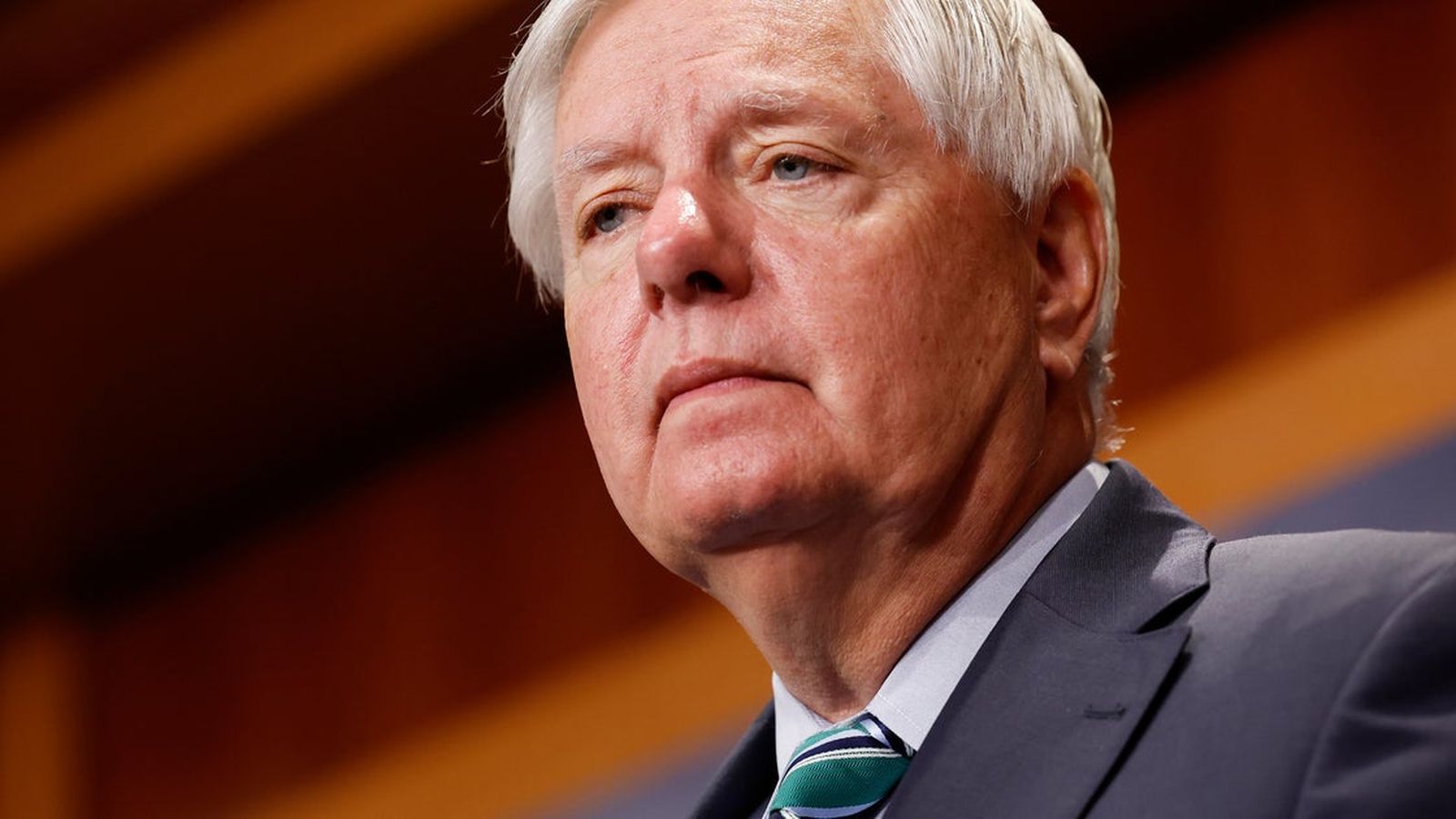
Appearing on CBS News’ “Face the Nation” on June 21, 2026, Senator Lindsey Graham (R-S.C.) articulated a clear “Plan B” should the Trump administration’s ongoing interim nuclear negotiations with Iran collapse. While acknowledging skepticism from some Republican colleagues regarding the administration’s current diplomatic approach, Graham signaled his support for the talks as a necessary “first step,” provided they are backed by a credible threat of force.
Graham revealed that he had spent significant time with President Trump recently, gaining insight into the administration’s long-term strategy for the Middle East. According to the Senator, if the 60-day diplomatic window fails to yield results, the administration is prepared to move toward a more aggressive posture. This includes taking direct control of the Strait of Hormuz to secure energy transit, potentially charging a fee for passage to offset operational costs.
The Abraham Accords and Regional Security
A central pillar of Graham’s analysis is the expansion of the Abraham Accords in 2026. He expressed optimism that Saudi Arabia could be brought into the fold, a move he described as a “historic shift” for the region. Graham argued that if the current diplomatic efforts with Iran fail, the administration would pivot to a policy of containment, potentially involving direct military strikes against Iranian targets if the regime continues to utilize proxies like Hezbollah to destabilize Israel.
The Senator also addressed the “gentleman’s agreement” currently under negotiation, clarifying that his prior concerns regarding a $300 billion fund for Iran were contingent on the source of the capital. He stated that while Western funding would be unacceptable, participation from Sunni Arab states as business partners would signify a genuine shift in regional dynamics.
Institutional Concerns: FISA and DNI
Beyond the Middle East, Graham expressed urgency regarding the leadership vacuum at the Office of the Director of National Intelligence (DNI). He criticized the delay in confirming Jay Clayton, urging the administration to move forward with the nomination to ensure the continuity of critical surveillance tools under FISA Section 702. Graham warned that allowing these authorities to lapse would leave the United States vulnerable, emphasizing that the current acting leadership lacks the necessary intelligence background to manage the nation’s security agencies effectively.