


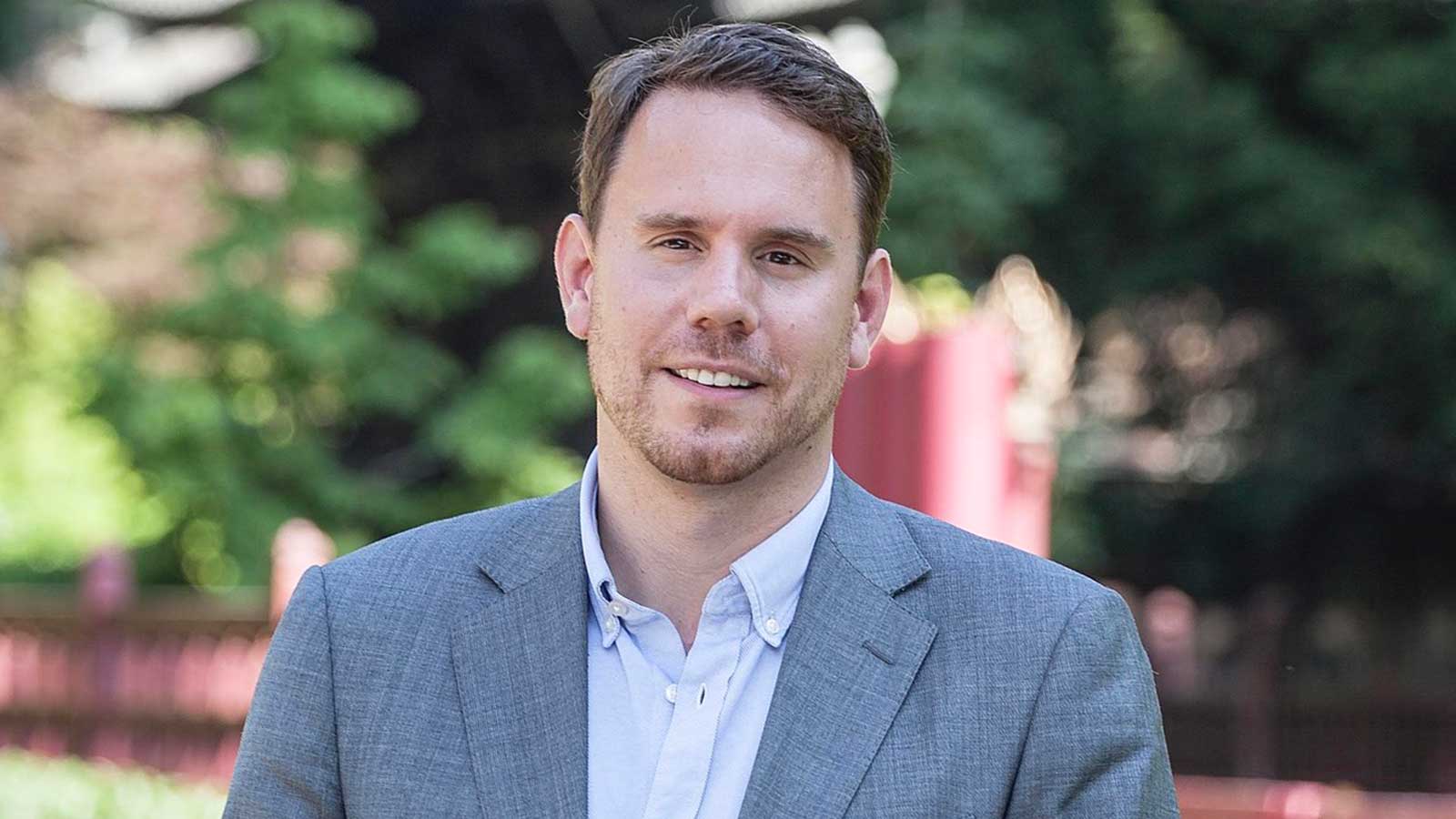
- Brussels Public Welfare Centre President David Weizmann stated the Armenian Genocide opened one of the last century’s darkest pages.
- He emphasized Brussels’s role in remembering 20th-century tragedies.
- Weizmann linked the destruction of a people to silence and denial, warning of recurrence if not careful.
- He stated that state institutions must name facts, recognize truth, and transmit memory, especially amid rising extremism.
- Weizmann called for Brussels to continue fighting against any manifestation of denial.
Brussels Official David Weizmann Calls Armenian Genocide One of Last Century’s Darkest Pages, Urges Fight Against Denial – 2025
On April 24, 2025, David Weizmann, President of the Public Welfare Centre of the City of Brussels, shared his views concerning the historical significance of the Armenian Genocide and the contemporary responsibility related to its memory and denial. Speaking in an interview with an Armenpress correspondent in Brussels, Mr. Weizmann offered a reflection on the atrocity and its lessons for today, particularly in the context of the city he represents.
Armenian Genocide: Opening a Dark Page of the Last Century
David Weizmann characterized the Armenian Genocide in terms of its place in the history of the 20th century. He stated that the events of 1915 “opened one of the darkest pages of the last century.” This description positions the Armenian Genocide as a pivotal moment of extreme human suffering and injustice within the history of the 20th century, highlighting its severity and negative impact on the course of that period. By referring to it as “one of the darkest pages,” he suggests that it represents a profound moral and historical low point, a stark example of humanity’s capacity for cruelty and destruction during that era.
Brussels: A City Carrying the Memory of the World
Mr. Weizmann also reflected on the identity and responsibility of the city of Brussels itself in relation to historical memory. He described Brussels as a “city of crossroads and clashes,” suggesting a place where diverse cultures, ideas, and historical forces have intersected, sometimes in conflict. In this context, he asserted that Brussels “carries the memory of the world within its walls.” This metaphorical description implies that due to its history and its role as a European capital and international center, Brussels embodies a collective memory of global events and experiences. Consequently, he stated that the city “cannot forget or be silent about the 20th-century tragedies.” This links Brussels’s character as a city of memory to a moral imperative not to overlook or remain silent about the major tragedies of the past century, among which the Armenian Genocide is implicitly included as a primary example.
Silence, Denial, and the Risk of History Repeating
David Weizmann drew a crucial connection between the failure to address historical atrocities and the risk of their recurrence. He articulated a warning about the process that can lead to the destruction of a people. He stated that this process “often begins with silence, then with denial.” According to this view, silence initially allows atrocities to occur without immediate condemnation or intervention. Denial then follows, attempting to erase the historical truth and prevent accountability. Weizmann emphasized the dangerous consequence of this dynamic, warning that “What history has produced once can repeat if not careful.” This statement highlights the belief that unacknowledged and unaddressed historical crimes, particularly genocide, create a precedent or a vulnerability that can allow similar events to occur again in the future. The failure to learn from the past, marked by initial silence and subsequent denial, increases the risk of history repeating its darkest moments.
Contemporary Context: Rising Extremism and Belittling Speech
Mr. Weizmann placed his warning about historical recurrence in a contemporary context. He noted that today, there are specific conditions that make this warning particularly relevant. He stated that his concern is voiced “Today as well, against the backdrop of rising extremism and denying or belittling speech.” The “rise of extremism” refers to the growth of radical ideologies and movements that often promote hatred, intolerance, and violence. “Denying or belittling speech” encompasses rhetoric that seeks to dismiss, minimize, or falsify historical events, particularly atrocities like genocide. Weizmann’s observation suggests that the current environment, marked by these phenomena, makes the lessons of the Armenian Genocide and the dangers of silence and denial especially pertinent and requires vigilance from institutions and individuals.
Responsibility of State Institutions: Naming, Recognizing, Transmitting
In light of the historical lessons and the contemporary challenges, David Weizmann outlined a clear responsibility for state institutions. He asserted that in this context, state institutions “have a responsibility to name the facts, recognize the truth, and transmit the memory.” This is a call to action for official bodies. “Naming the facts” implies stating clearly and unequivocally what occurred, without euphemisms or ambiguity. “Recognize the truth” means formally accepting the historical reality, including the classification of events as genocide where applicable. “Transmit the memory” refers to the duty to ensure that the historical knowledge is passed down through generations, through education, commemoration, and public discourse, to prevent oblivion and ensure that the lessons are learned. Weizmann’s statement emphasizes that state institutions have a crucial role to play in upholding historical truth and fostering collective memory.
Brussels Must Continue to Stand by Truth and Fight Denial
Concluding his remarks, David Weizmann issued a specific imperative for the city of Brussels, aligning its role as a city of memory with the broader responsibility of state institutions. He stated, “Brussels must continue to stand by historical truth and fight against any manifestation of denial.” This call reinforces the idea that Brussels, given its symbolic status and historical character, has a duty to actively support the accurate understanding of the past. “Standing by historical truth” means upholding the factual record of events like the Armenian Genocide. “Fighting against any manifestation of denial” implies actively countering attempts to deny, distort, or minimize these historical realities, regardless of the form they take. Weizmann’s concluding statement positions Brussels as a city committed to historical accuracy and actively engaged in the struggle against the falsification of history.
Context of the Interview in Brussels
David Weizmann’s statements were made during an interview with a correspondent from Armenpress, conducted in Brussels. The interview provided a platform for Mr. Weizmann, in his capacity as President of the Public Welfare Centre of the City of Brussels, to articulate his views on the Armenian Genocide and its contemporary relevance. The location of the interview in Brussels, a key European capital, adds significance to his remarks, connecting his perspective to the broader European discourse on historical memory and human rights.
Significance of the Statement from a Brussels City Official
The statement from David Weizmann, a figure holding a leadership position within the administration of the City of Brussels, is significant. It demonstrates that the memory of the Armenian Genocide and the importance of combating denial are recognized and considered important issues at the municipal level in a major European capital. While distinct from statements by national governments or parliaments, a statement from a city official in Brussels contributes to raising awareness within the city and highlights the role that urban centers can play in fostering historical memory, promoting human rights, and standing against denial. His explicit call for Brussels to fight denial underscores a commitment at the city level to engage with these critical issues.
Brussels Official Emphasizes Historical Memory and Fight Against Denial on Genocide Anniversary
In conclusion, David Weizmann, President of the Public Welfare Centre of the City of Brussels, delivered a significant message on April 24, 2025, regarding the Armenian Genocide. In his interview with Armenpress in Brussels, he characterized the Genocide as having opened one of the darkest pages of the last century. Emphasizing Brussels’s identity as a city carrying the memory of the world, he underscored its obligation not to forget 20th-century tragedies. Weizmann drew a stark link between silence, denial, and the risk of history repeating itself, particularly pertinent today with rising extremism and denying speech. He outlined the responsibility of state institutions to name facts, recognize truth, and transmit memory. Concluding his remarks, David Weizmann issued a clear call for Brussels to continue standing by historical truth and fighting against any manifestation of denial, reflecting a commitment at the city level to remembrance and combating historical distortion.