
Quick Read
- Gen V cancelled after two seasons by Amazon Prime Video.
- Declining viewership metrics led to the decision despite a strong start.
- Characters from the show will be integrated into The Boys Season 5.
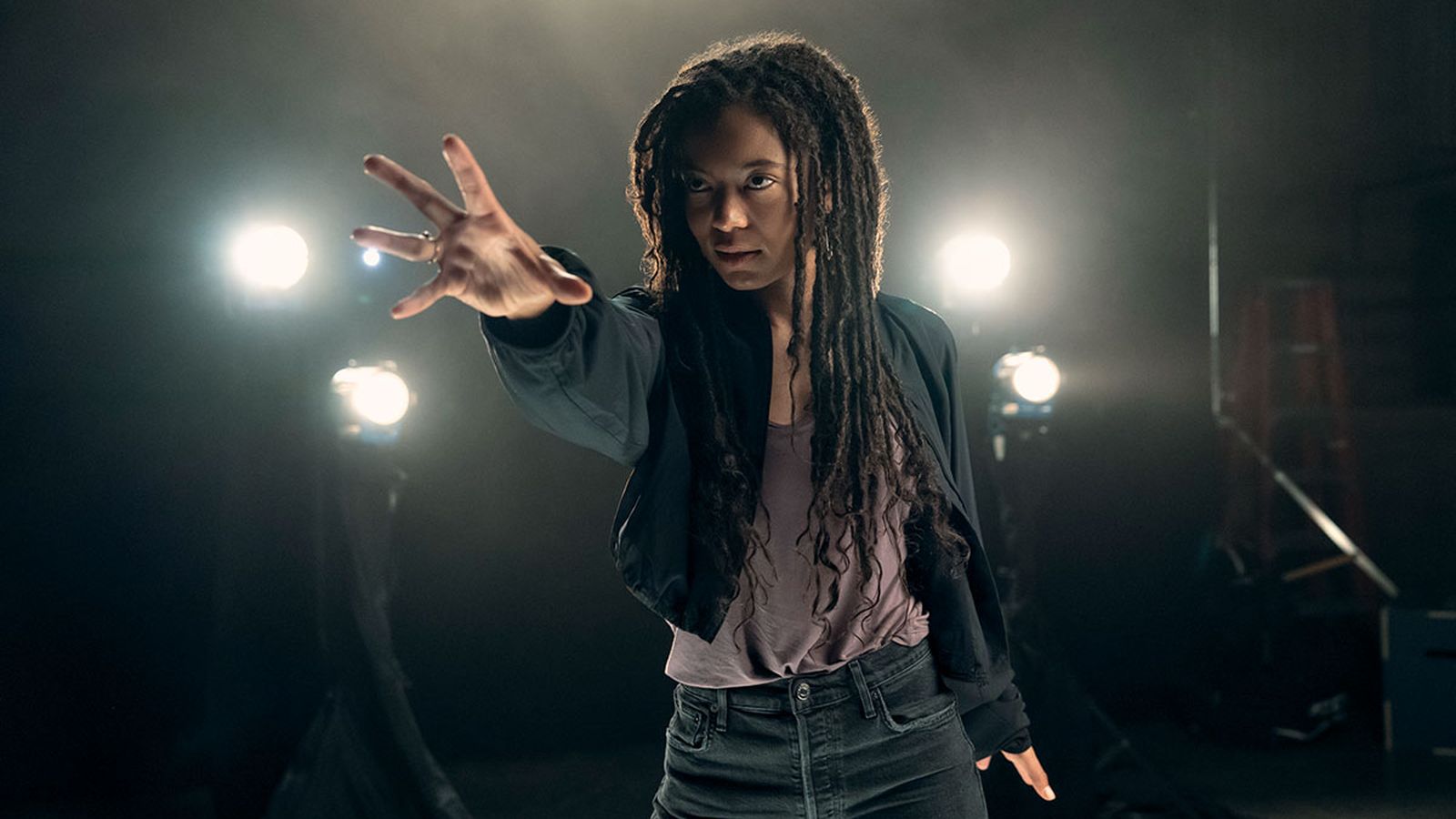
Amazon Prime Video has confirmed the cancellation of Gen V, the spin-off series set within the universe of The Boys, after two seasons. The decision, which arrives six months after the conclusion of the second season in October 2025, marks a definitive end to the Godolkin University-based narrative, despite initial critical acclaim and strong launch-period viewership.
The Metrics Behind the Cancellation
Nielsen data from the show’s premiere window in September 2025 initially placed it among the top 10 streaming originals, with 424 million minutes viewed. However, internal performance metrics reportedly showed a steep decline in engagement for subsequent episodes. In the volatile landscape of modern streaming, where corporate entities rely heavily on granular data to justify production costs, Gen V became a casualty of diminishing returns. Industry observers note that the cancellation was widely anticipated, particularly as cast members such as Asa Germann began securing roles in competing productions.
Franchise Strategy and Creative Continuity
While the standalone series has concluded, the executive producers, including Eric Kripke and Evan Goldberg, have confirmed that the core characters will be integrated into the flagship The Boys series, specifically in its fifth season. This transition reflects a broader shift in media strategy: rather than nurturing independent, experimental narratives, major platforms are increasingly consolidating their intellectual property into central, high-visibility franchises to maximize subscription retention.
Media Power and the Risk of Homogenization
The cancellation of Gen V serves as a reminder of the fragility of creative autonomy in a market dominated by massive corporate conglomerates. When media consumption is tethered to proprietary algorithms and bottom-line-driven decision-making, there is a tangible risk that diverse storytelling—especially narratives that challenge power structures, as Gen V often sought to do—is sacrificed for efficiency. A healthy cultural discourse requires a diversity of platforms and voices; when choices are narrowed by the consolidation of media ownership, the public loses more than just a television show—they lose the breadth of perspectives that independent production once guaranteed.
More on gen v cancelled