


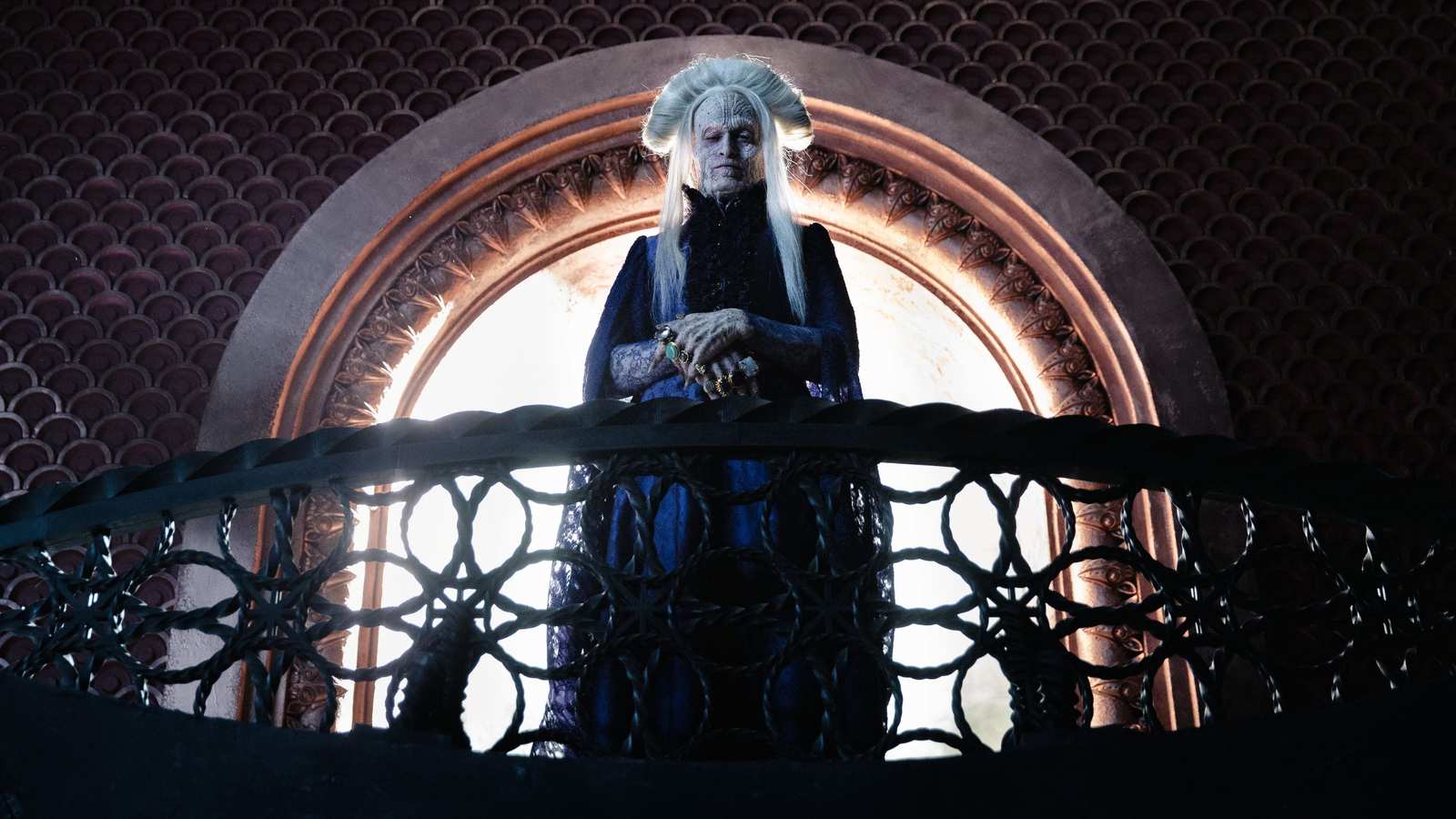
The highly anticipated film “Dracula,” directed by Luc Besson and starring Caleb Landry Jones in the titular role, premiered on February 6, 2026, released by Vertical. The horror-romance adaptation of Bram Stoker’s classic gothic novel has generated significant discussion, particularly around Jones’s captivating performance, even as early critical responses highlight the film’s narrative struggles to balance its romantic and horror elements. A trailer released by USA Today on the same day offered a glimpse into Jones’s intense portrayal, setting the stage for a new cinematic take on the iconic vampire.
Caleb Landry Jones’ Portrayal of Dracula
Caleb Landry Jones, known for his distinctive roles, takes on the complex character of Prince Vladimir of Wallachia, who transforms into the legendary Dracula. His performance has been widely noted as a highlight of Besson’s adaptation. As Filmogaz observed, Jones delivers a “captivating performance” marked by a “delightful blend of joy and depravity,” successfully drawing viewers into the character’s tormented existence. The film opens by establishing a tender connection between Prince Vladimir and Princess Elisabeta, played by Zoë Bleu, an affectionate bond that forms the emotional core before tragedy strikes. Jones effectively conveys the profound love and subsequent grief that drives Vladimir’s vow for vengeance and his ultimate transformation into the immortal vampire.
Luc Besson’s Vision and Narrative Challenges
Directed by Luc Besson, known for films like “The Fifth Element,” this rendition of “Dracula” attempts to reframe the character as a romantic antihero. Set against the atmospheric backdrop of 19th-century Paris, the story delves into Dracula’s origins, depicting Prince Vladimir’s brutal battle and Elisabeta’s murder during an Ottoman Empire assault some 400 years prior. Christoph Waltz also features in the film, portraying a priest who hunts Dracula and engages in intellectual conversations that explore moral ambiguity. Despite Besson’s vibrant visual style and intriguing premise, the film, which runs over two hours, has faced criticism for its narrative execution. Filmogaz noted that while there are strong emotional beats between Jones and Bleu, the plot struggles to maintain its initial intimacy, often getting “overshadowed by pop-comic horror action sequences.” The review concluded that the film “struggles to deliver on both fronts” of romance and horror, ultimately becoming “engaging yet ultimately forgettable.”
A New Chapter in Dracula Adaptations
Besson’s “Dracula” enters a crowded field, joining over 200 previous adaptations of Bram Stoker’s seminal novel. Its release has inevitably drawn comparisons to other upcoming gothic horror projects, most notably Robert Eggers’ “Nosferatu.” While both films evoke similar thematic elements, they reportedly vary significantly in their approach, with Besson leaning towards stylistic visuals and Eggers focusing on a more atmospheric storytelling. Despite the standout performances, particularly from Caleb Landry Jones, the film’s perceived narrative shortcomings raise questions about its lasting impact. Critics suggest it “adds little to the legacy” of the iconic tale, despite offering a fresh perspective on the vampire’s origins and motivations.
Luc Besson’s “Dracula” represents a significant artistic endeavor to re-envision a classic, yet its critical reception underscores the persistent challenge of bringing fresh depth to a story so deeply embedded in popular culture, highlighting how even compelling performances can struggle to elevate a fragmented narrative.