
Quick Read
- Tania Warner and her 7-year-old daughter have been detained at an ICE facility in Texas for 13 days after an interior border stop.
- The child, who has autism, is reportedly suffering from a persistent rash, raising concerns among advocates about the appropriateness of detention for minors with special needs.
- Canadian federal officials and local representatives are actively advocating for the family’s release through consular and legal channels ahead of a scheduled bond hearing.
Legal detention of Canadian family at Texas checkpoint
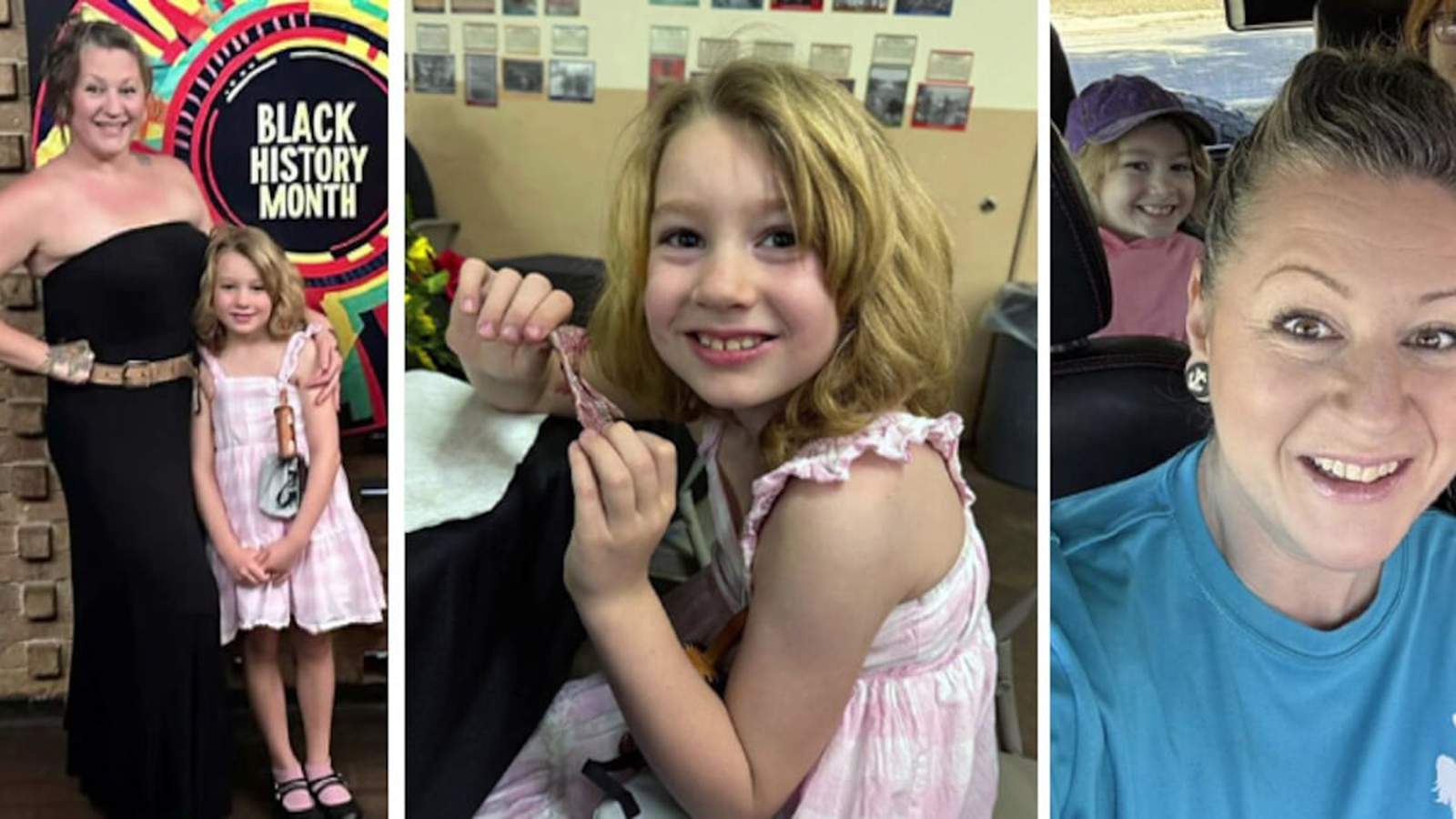
Tania Warner, a Canadian citizen residing in Texas, has entered her 13th day of detention at the Dilley Immigration Processing Center alongside her seven-year-old daughter, Ayla. The pair were taken into custody by U.S. Immigration and Customs Enforcement (ICE) on March 14 after being stopped at a border patrol checkpoint in Sarita, Texas, while returning from a family event. Warner, who is married to an American citizen and is currently in the process of applying for permanent residency, described the experience as a profound source of distress for both her and her daughter, who is on the autism spectrum.
Concerns over detention conditions and child welfare
The family’s accounts from within the facility have highlighted significant challenges regarding health and environmental stressors. Warner reports that her daughter has developed a persistent full-body rash, which she attributes to the combination of high-stress conditions and the industrial-grade cleaning agents used on mandatory facility uniforms. While the Department of Homeland Security maintains that the Dilley facility is equipped to handle family units and provides medical access, the case has drawn sharp criticism from legal experts. Kerry Doyle, an immigration attorney and former legal advisor to ICE, characterized the detention of a child with special needs as an inefficient and potentially traumatic use of government resources.
Diplomatic and legislative push for release
The situation has prompted intervention from both local and federal officials in Canada. Representatives from British Columbia, where the family is originally from, are actively engaging with consular services to seek a diplomatic or legal resolution. Foreign Affairs Minister Anita Anand confirmed that the Canadian government is aware of the case and is providing advocacy, though she declined to comment on specific details due to privacy considerations. A bond hearing is scheduled for Tuesday, with the family’s legal team aiming to secure a release that would allow them to continue their immigration processing outside of the detention system. The family’s legal expenses have reportedly exceeded $20,000, leading to a public fundraising effort to cover the anticipated bond and ongoing legal costs.
The confluence of interior checkpoint enforcement and the administrative backlog in U.S. immigration courts has turned an routine status dispute into a high-stakes diplomatic matter, highlighting the vulnerability of families caught in the gap between legal residency applications and enforcement actions.