


Quick read
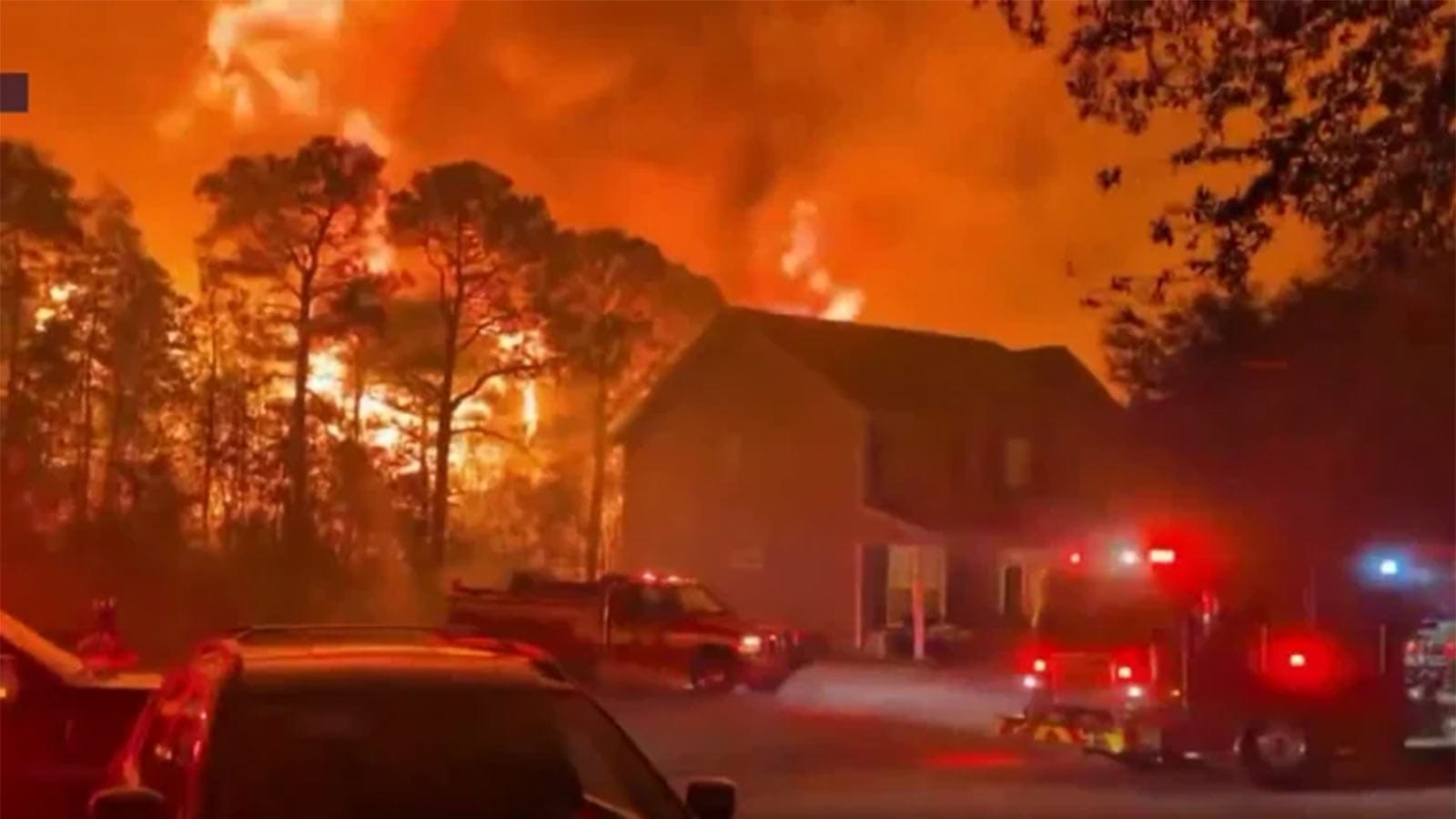
- Over 100 wildfires have burned across North and South Carolina in recent weeks, fueled by dry weather and high winds.
- South Carolina’s Carolina Forest wildfire, near Myrtle Beach, has burned over 2,000 acres and is 90% contained.
- North Carolina has reported 81 active wildfires, with the largest burning 7,000 acres in Polk County.
- Evacuation orders have been issued in both states, with officials urging residents to monitor alerts and adhere to safety measures.
- Aerial operations and ground crews are working diligently to strengthen firebreaks and control hotspots.
What is the current status of wildfires in North Carolina
As of this week, North Carolina has experienced 81 active wildfires, covering over 1,500 acres. This marks a significant reduction from earlier in the week, when over 200 fires were reported. These wildfires include active, contained, and controlled blazes, as categorized by the North Carolina Forest Service. Among these, the largest fire is the Black Cove Fire in Polk County, which has consumed 7,000 acres and remains a top priority for firefighters. The persistent dry weather and downed trees from past hurricanes have contributed to the severity of these fires. According to ABC News, high winds and low humidity continue to challenge containment efforts.
How is South Carolina handling its wildfire crisis?
In South Carolina, the Carolina Forest wildfire near Myrtle Beach has been the most destructive, burning over 2,000 acres. The South Carolina Forestry Commission reports that this fire is 90% contained, thanks to diligent efforts by both aerial and ground crews. Governor Henry McMaster declared a state of emergency earlier this month, emphasizing the need for coordinated action. Other active fires include the Table Rock Complex Fire, which spans 8,679 acres near the North Carolina border. As reported by The Guardian, these fires have been exacerbated by lingering dry conditions and strong winds.
What measures are being taken to contain the fires?
Firefighters in both states are employing a combination of aerial water drops, ground control lines, and burnouts to contain the fires. In South Carolina, Black Hawk helicopters have been deployed to dump water onto the flames, while tractors are used to strengthen firebreaks. According to Sandhills Express, these efforts have been bolstered by recent rainfall, which has improved containment percentages. However, the steep terrain and dense vegetation continue to pose significant challenges, particularly in areas like Table Rock State Park.
How are residents being affected by the wildfires?
Evacuation orders have been issued in several neighborhoods across both states. In South Carolina, residents near the Carolina Forest wildfire were initially evacuated but have since been allowed to return home. However, authorities warn of potential rekindling of hotspots and advise caution. In North Carolina, evacuation zones have been established in Polk and Henderson counties, where multiple fires are still uncontained. As noted by Greenville Online, these communities are also dealing with the aftermath of Hurricane Helene, which left millions of downed trees that now serve as fuel for the fires.
What is the outlook for the coming weeks?
Weather conditions remain a critical factor in the ongoing wildfire crisis. The National Weather Service has issued red flag warnings for parts of the Carolinas, citing low humidity and wind gusts of up to 30 mph. Despite these challenges, fire crews are optimistic about the impact of incoming rain, which could help diminish the flames. Burn bans remain in effect across both states, and officials urge residents to stay informed through emergency alerts.
As the Carolinas continue to battle wildfires, the resilience of communities and the efforts of first responders remain at the forefront. Residents are encouraged to prioritize safety and adhere to official guidelines to mitigate risks during this challenging time.