


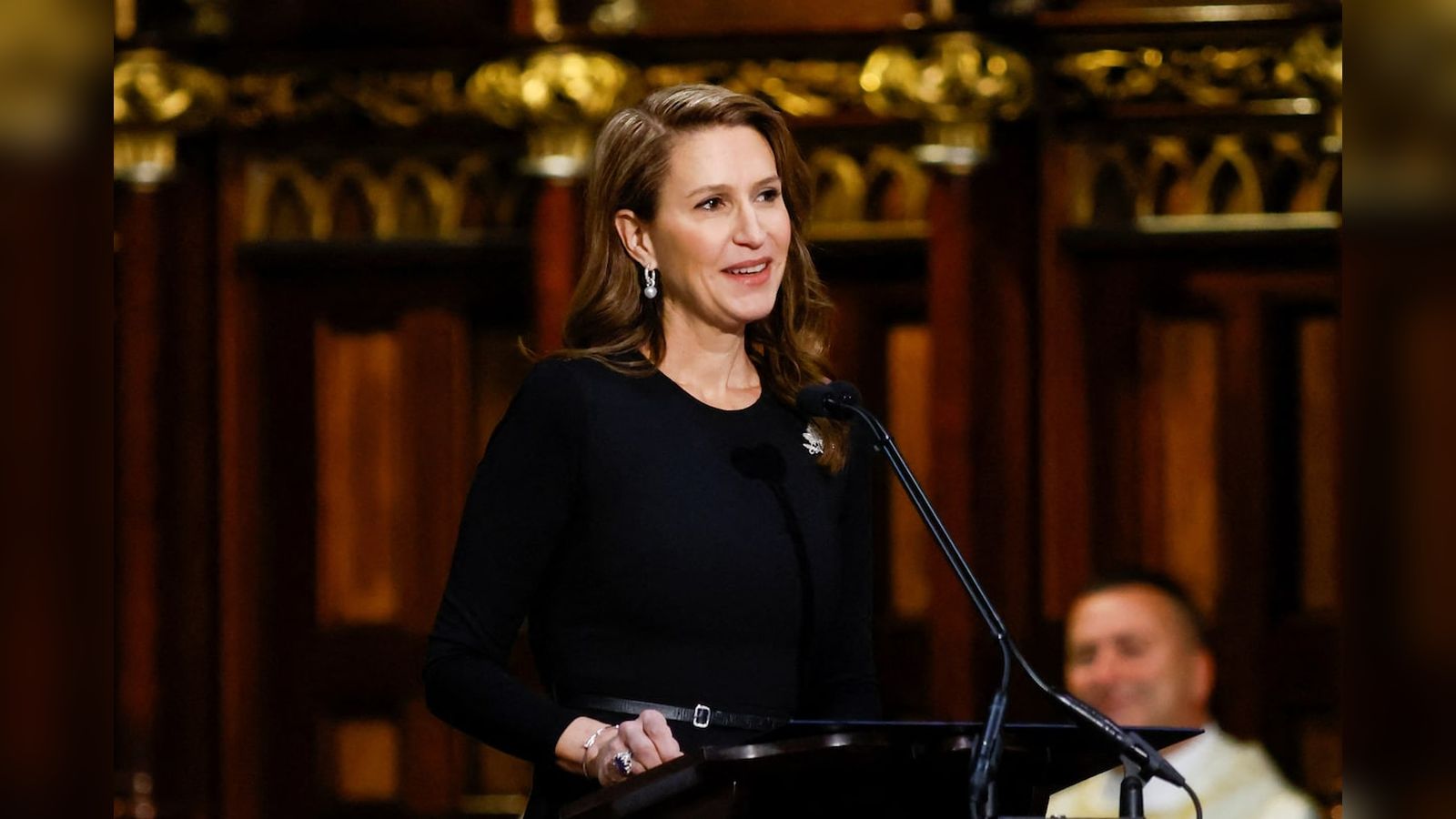
The Royal Bank of Canada (RBC) has appointed former Ontario cabinet minister Caroline Mulroney as its new Vice-Chair, a strategic hire aimed at deepening the lender’s relationships with global clients and navigating complex regulatory environments. The appointment, announced internally on August 19, 2026, marks Mulroney’s return to the private financial sector following her resignation from the Ontario Legislature in June 2026.
According to an internal memo viewed by The Globe and Mail, Mulroney will officially assume her role on September 14, 2026, reporting directly to Derek Neldner, the head of RBC Capital Markets. Her mandate focuses heavily on bridging the gap between public policy and corporate strategy, advising business leaders on the market implications of evolving government policies, regulations, and public sector developments.
A Critical Juncture for Canadian Banking
Mulroney’s transition from public office to Canada’s largest financial institution comes at a critical juncture. RBC is actively expanding its footprint in the United States and Europe while defending its dominant market share in Canada. This expansion occurs against a backdrop of trade volatility and shifting macroeconomic conditions.
In a recent interview with The Globe and Mail, Neldner emphasized the growing demand from international investors to deploy capital in Canada, as well as the ambition of Canadian businesses to diversify their trade partners overseas. “The opportunity for connecting clients globally, and in particular between Europe and North America, is probably even stronger going forward,” Neldner stated, highlighting the strategic necessity of Mulroney’s policy-focused role.
From the Treasury Board to Corporate Finance
Mulroney brings a unique blend of high-level political experience and financial background to RBC. During her eight-year tenure in the Ontario cabinet, she served in several high-profile portfolios under Premier Doug Ford. As President of the Treasury Board, she oversaw Ontario’s $240-billion budget, managed internal risk, and steered accountability across more than 130 government agencies. She also spearheaded the integration of artificial intelligence within the provincial public sector.
As Minister of Transportation, she secured a major intergovernmental agreement to fund the largest transit expansion plan in North American history. Additionally, her diplomatic contributions as Minister of Francophone Affairs earned her the title of Chevalier de la Légion d’honneur from the President of France.
Before entering politics in 2018—where she ran for the leadership of the Progressive Conservatives—Mulroney built a career in corporate law and asset management. She served as Vice-President at BloombergSen Investment Partners, advised a $200-million venture debt fund, worked in investment banking at Bear, Stearns & Co., and practiced law at Shearman & Sterling LLP in New York.
The Intersection of Political Dynasties and Finance
The appointment also highlights a broader trend of prominent political figures transitioning into senior advisory roles within Canada’s banking sector. Mulroney, the daughter of the late Canadian Prime Minister Brian Mulroney, is not the only member of her family holding a prominent banking title. Recently, the Canadian Imperial Bank of Commerce (CIBC) appointed her brother, Mark Mulroney, to lead its newly formed Office of the Chief Executive Officer (OCEO) to deliver strategic insights to corporate clients.
By securing individuals with deep institutional knowledge and extensive networks, Canadian banks are increasingly positioning themselves to manage geopolitical risks and complex regulatory frameworks on the global stage.