

Quick Read
- The Deep killed Black Noir II in Season 5, Episode 6.
- Chace Crawford describes the act as a breaking point after months of sabotage.
- Crawford reflects on his career transition from ‘Gossip Girl’ to complex character roles.
The Culmination of a Complex Arc
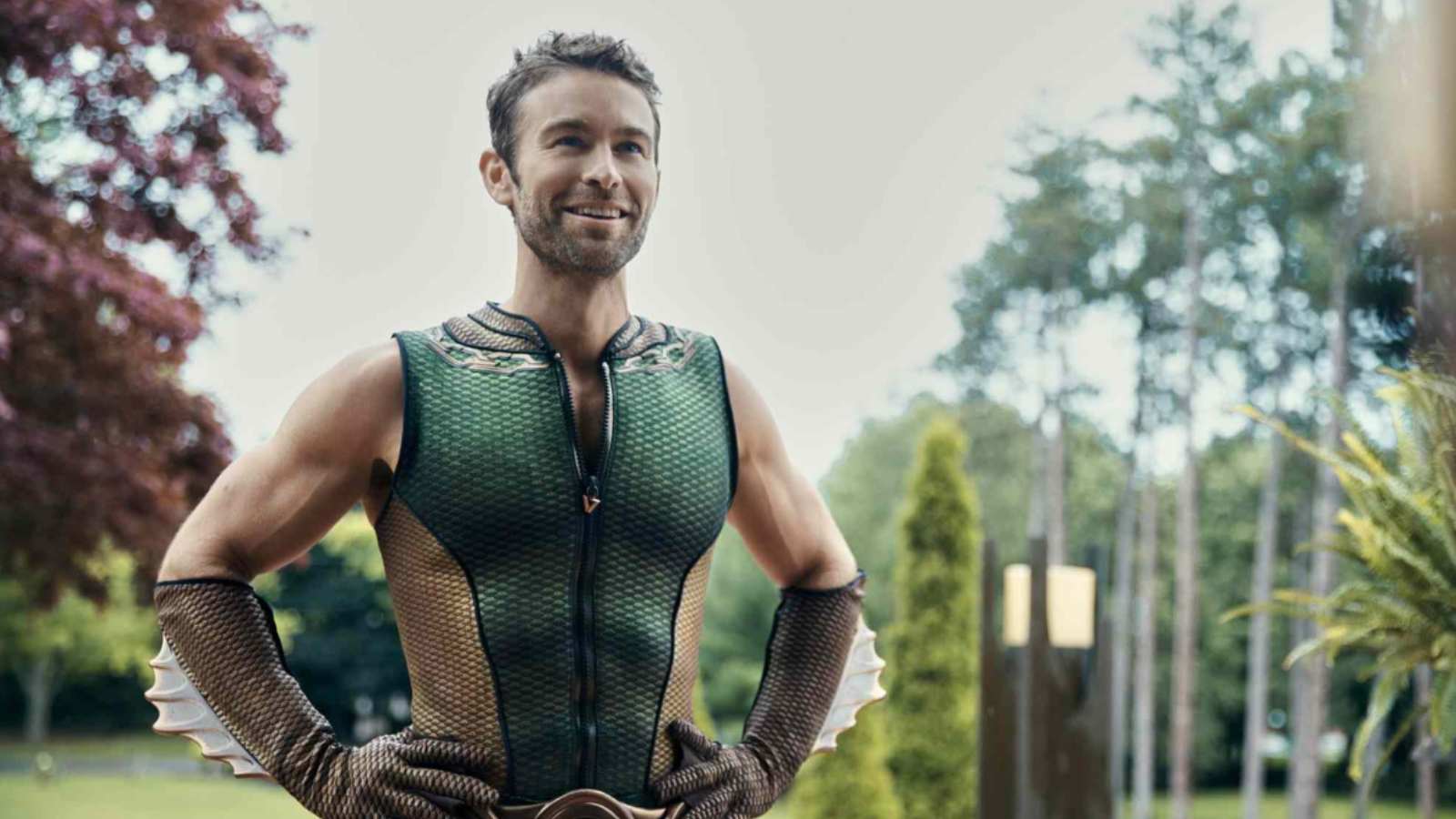
As The Boys barrels toward its series finale, the narrative trajectory of The Deep, played by Chace Crawford, has shifted from the periphery of comedic dysfunction to the epicenter of the show’s moral decay. The recent events of Season 5, Episode 6, mark a definitive transformation for the character, signaling a departure from his role as a pathetic, recurring antagonist toward something far more lethal.
The confrontation between The Deep and Black Noir II serves as the catalyst for this shift. Following months of psychological sabotage and the deliberate destruction of an environmentally significant oil pipeline endorsed by The Deep, the character reached a breaking point. Crawford, in recent reflections, described this moment not as a calculated execution, but as an inevitable eruption of desperation. The act of killing Black Noir II during a podcast recording acts as a metaphorical anchor for the character’s permanent moral collapse.
The Evolution of a Performer
Chace Crawford’s career has been defined by his ability to pivot from the archetypal heartthrob roles that launched his career in Gossip Girl to the gritty, cynical requirements of modern anti-hero television. Reflecting on his journey from the mid-2000s, Crawford has noted the stark differences in the industry. He has expressed gratitude that his early career occurred prior to the ubiquity of social media, noting that the permanence of digital records would have likely derailed his trajectory during his formative years.
However, the transition from being a recognizable face to a character actor capable of embodying deep-seated trauma has been a strenuous process. Crawford openly discussed the professional uncertainty he faced following the conclusion of Gossip Girl in 2012. The subsequent period of depression and the difficulty of breaking out of typecast roles provided the foundation for the intensity he now brings to The Boys. He highlights that the industry often lacks imagination, forcing actors to navigate a cycle of being seen only for their past archetypes until they can prove their versatility through challenging material.
Institutional Impact and Legacy
The significance of The Deep’s arc in the final season cannot be overstated. By positioning a character who was historically relegated to the status of a punchline as a central agent of violence, showrunner Eric Kripke has effectively utilized Crawford’s evolution to mirror the show’s darker themes of betrayal and systemic corruption. The death of Black Noir II is not merely a plot point; it is a signal that the protective barriers surrounding the show’s central supes have dissolved.
As the series reaches its conclusion, the stakes have risen significantly. The ripple effects of this confrontation are expected to dictate the remaining narrative beats, with Homelander’s own trajectory becoming increasingly intertwined with the chaos left in the wake of The Deep’s transformation. Crawford’s performance has provided a humanizing—if deeply flawed—lens through which to view the moral bankruptcy of the Vought universe.
Assessment: Chace Crawford’s performance in the final season of The Boys stands as a testament to the actor’s ability to evolve alongside his material. By anchoring The Deep’s final act in genuine desperation rather than traditional villainy, Crawford has elevated the character from a recurring trope to a pivotal figure of the show’s legacy. This transition not only secures his place in the current cultural zeitgeist but also serves as a critical study in the longevity of character-driven storytelling within the superhero genre.