


A Pivotal Conversation on Staff Retention
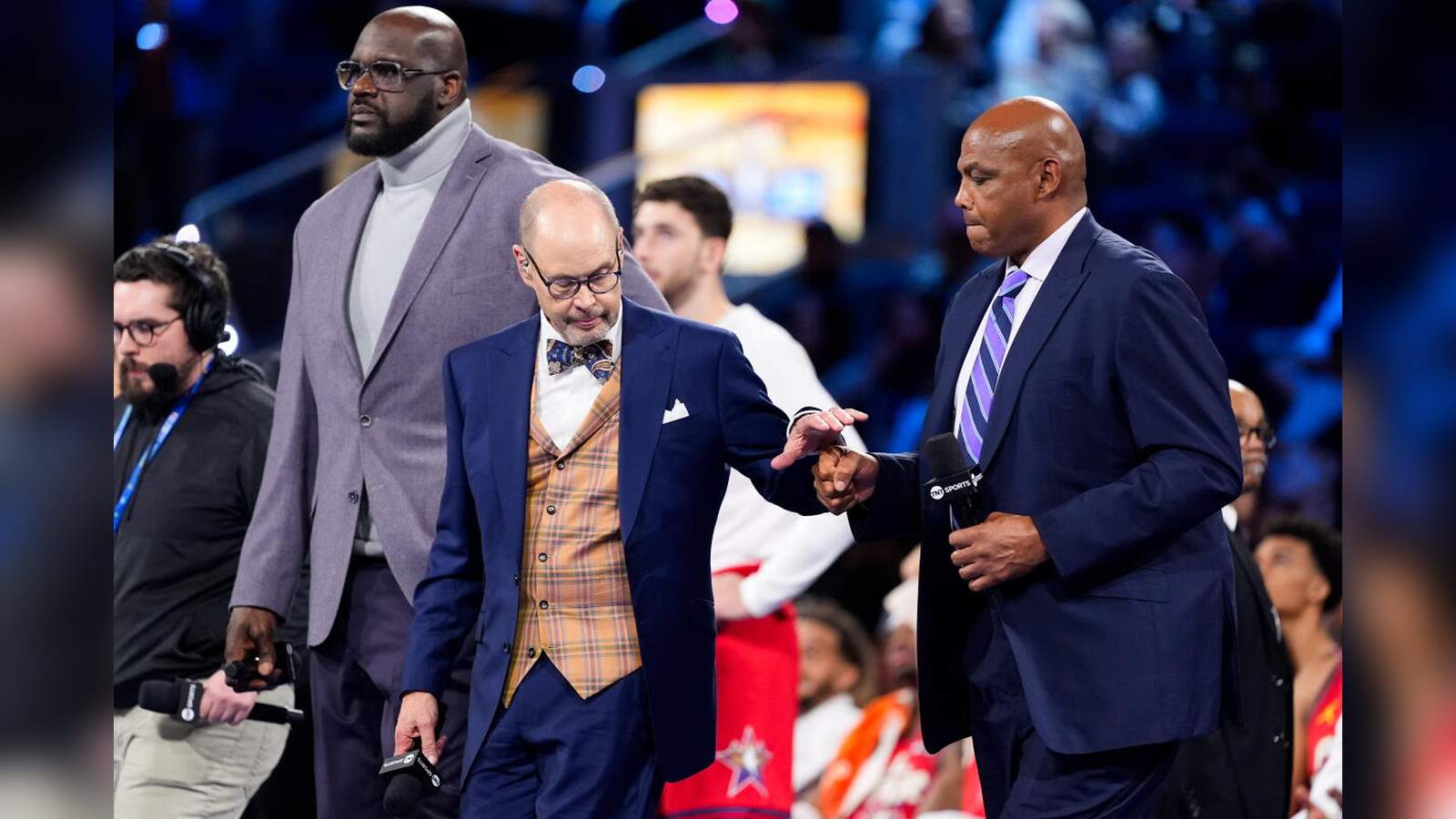
In a candid reflection on the future of the long-running sports program “Inside the NBA,” Charles Barkley revealed that his decision to continue with the show was driven by a direct appeal from his colleague, anchor Ernie Johnson. According to an RG.org report, Barkley had initially planned to retire from television broadcasting following TNT Sports’ loss of its NBA media rights package. The shift in his plans occurred after a private conversation with Johnson, who highlighted the human stakes involved in the show’s potential transition to an ESPN licensing deal.
Barkley shared these details during an October 1, 2026, appearance on the “In the Trenches with Damien Woody” podcast. He explained that when TNT lost its rights to the league, both he and Johnson were prepared to step away from their roles. However, Johnson reached out to Barkley to discuss the possibility of the show being licensed to ESPN. The anchor emphasized that the move would allow “a couple hundred” production staff members to retain their employment. For Barkley, the welfare of the behind-the-scenes team became the deciding factor, leading him to commit to the show’s continuation under the new licensing arrangement.
The Future of the Studio Team
The revelation of this conversation provides critical context for the stability of the program as it enters a period of significant transition. While Barkley has committed to the show, the program’s long-term composition remains in flux. On October 28, 2026, Ernie Johnson officially announced that the 2026-27 NBA season would be his final year as the host of “Inside the NBA,” as reported by CBS Sports. This announcement has heightened interest in how the show will maintain its identity as its primary anchor prepares to depart.
The preservation of the production staff, which Barkley cited as his primary motivation for returning, underscores the institutional value placed on the team that has built “Inside the NBA” into a cultural touchstone. The show’s ability to retain its core creative and technical personnel is widely viewed as a priority for stakeholders looking to maintain the program’s quality during its transition to a new network environment. The decision by Barkley to prioritize the livelihoods of his colleagues reflects a broader concern within the sports media landscape regarding the impact of shifting broadcast rights on veteran production crews.
Stakes and Operational Shifts
The landscape for “Inside the NBA” is fundamentally shifting as the program moves from its traditional home at TNT to a new licensing agreement with ESPN. The involvement of Barkley and the eventual departure of Johnson represent the end of an era for the current iteration of the studio show. The “package deal” dynamic between the two, which Barkley described as a friendship based on mutual respect, has been a defining feature of the show’s success for years. With Johnson’s planned exit at the conclusion of the 2026-27 season, the production faces the dual challenge of integrating into a new network while preparing for a significant change in its on-air leadership.
For the viewers and the industry, the focus now shifts to the operational transition during the 2026-27 season. The commitment to keep the staff intact is a strategic move to ensure continuity, yet the upcoming departure of Johnson signifies that the show’s format and chemistry will naturally evolve. As the industry monitors these changes, the case of Barkley and Johnson serves as a reminder of the personal, human-capital decisions that often underpin major corporate broadcast realignments. The future of the program will likely be measured by its ability to balance this new corporate structure with the established rapport that has defined its legacy in sports media.