


Charli XCX navigates creative transitions in Camera
Pop visionary Charli XCX has released her latest single, Camera, marking a distinct thematic shift as she prepares for the launch of her upcoming album, Music, Fashion, Film. The track, which arrived on Tuesday, July 21, 2026, serves as a introspective bridge between the high-octane club energy of her previous work and the more personal, industry-focused narrative of her new era. According to NME, the song directly addresses the artist’s internal doubts regarding her expanding career in cinema as she approaches her mid-thirties.
A cinematic collaboration with Vincent Cassel
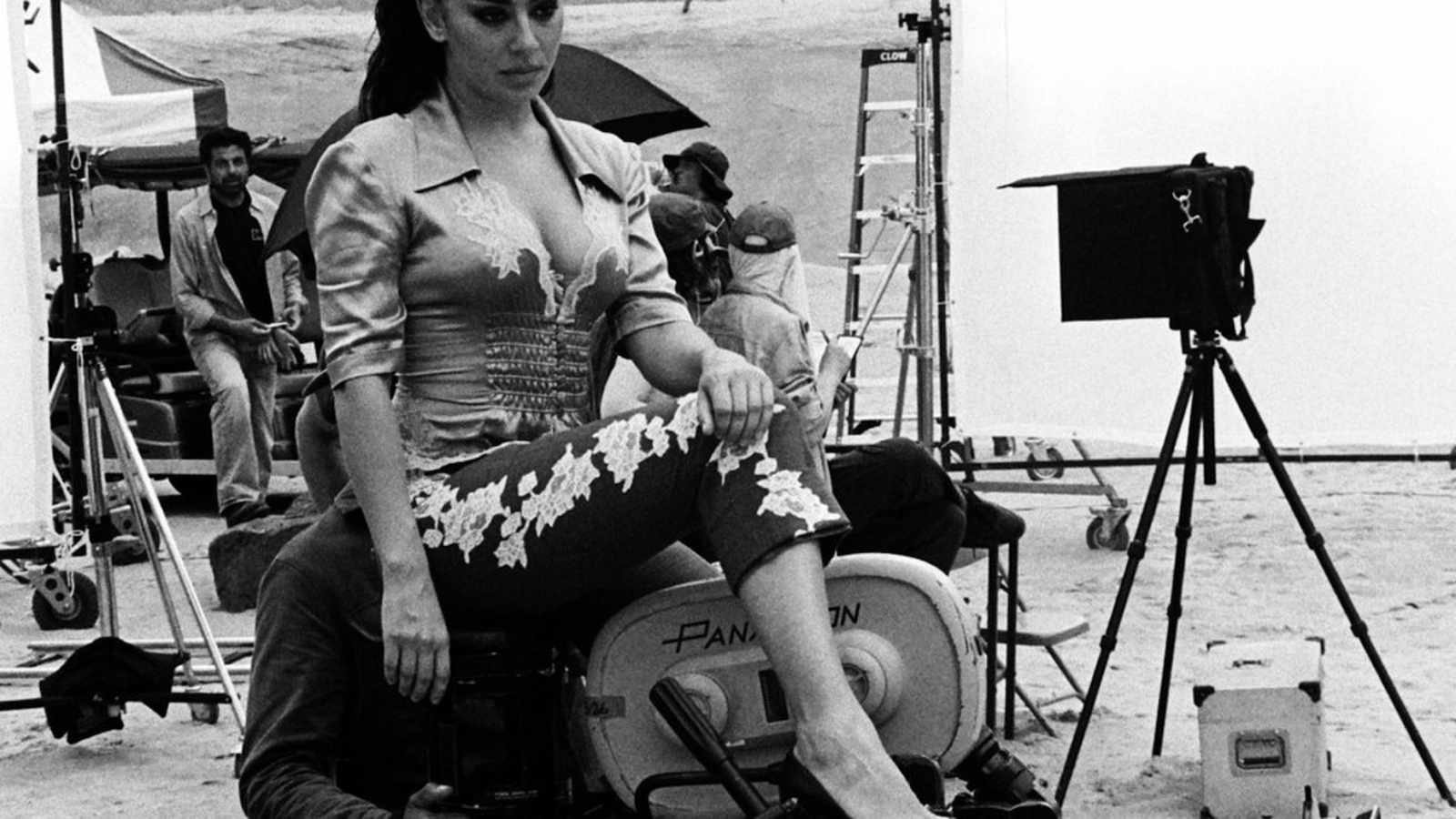
The visual accompaniment for Camera, directed by long-time collaborator Aidan Zamiri, features an unexpected performance from French acting icon Vincent Cassel. As reported by Billboard, the black-and-white video portrays a tension-filled film set where Charli XCX assumes the role of director, while Cassel struggles with the pressures of his craft. The imagery subtly references Cassel’s career-defining work in La Haine, grounding the pop star’s commentary on performance art in established cinematic history.
The evolution of Music, Fashion, Film
Camera is the fourth single to emerge from the forthcoming LP, Music, Fashion, Film, scheduled for release this Friday, July 24, 2026, via Atlantic. The project represents a significant pivot for Charli, who has spent the last two years cementing her status as a dance-pop powerhouse following the 2024 success of Brat. By integrating directors like David Cronenberg and actors like Cassel into her visual rollout, she is actively dismantling the boundaries between the music and film industries. Instagram updates from the artist confirmed the collaborative nature of this project, which aims to synthesize her interests in high fashion, cinema, and electronic music.
The release of Camera signals a strategic maturation in Charli XCX’s career, moving away from pure club-focused production toward a multidisciplinary artistic identity that embraces the vulnerability of the aging performer. By casting a legend like Cassel to embody her own professional anxieties, she effectively transforms her personal insecurity into a broader commentary on the commodification of the artist.