


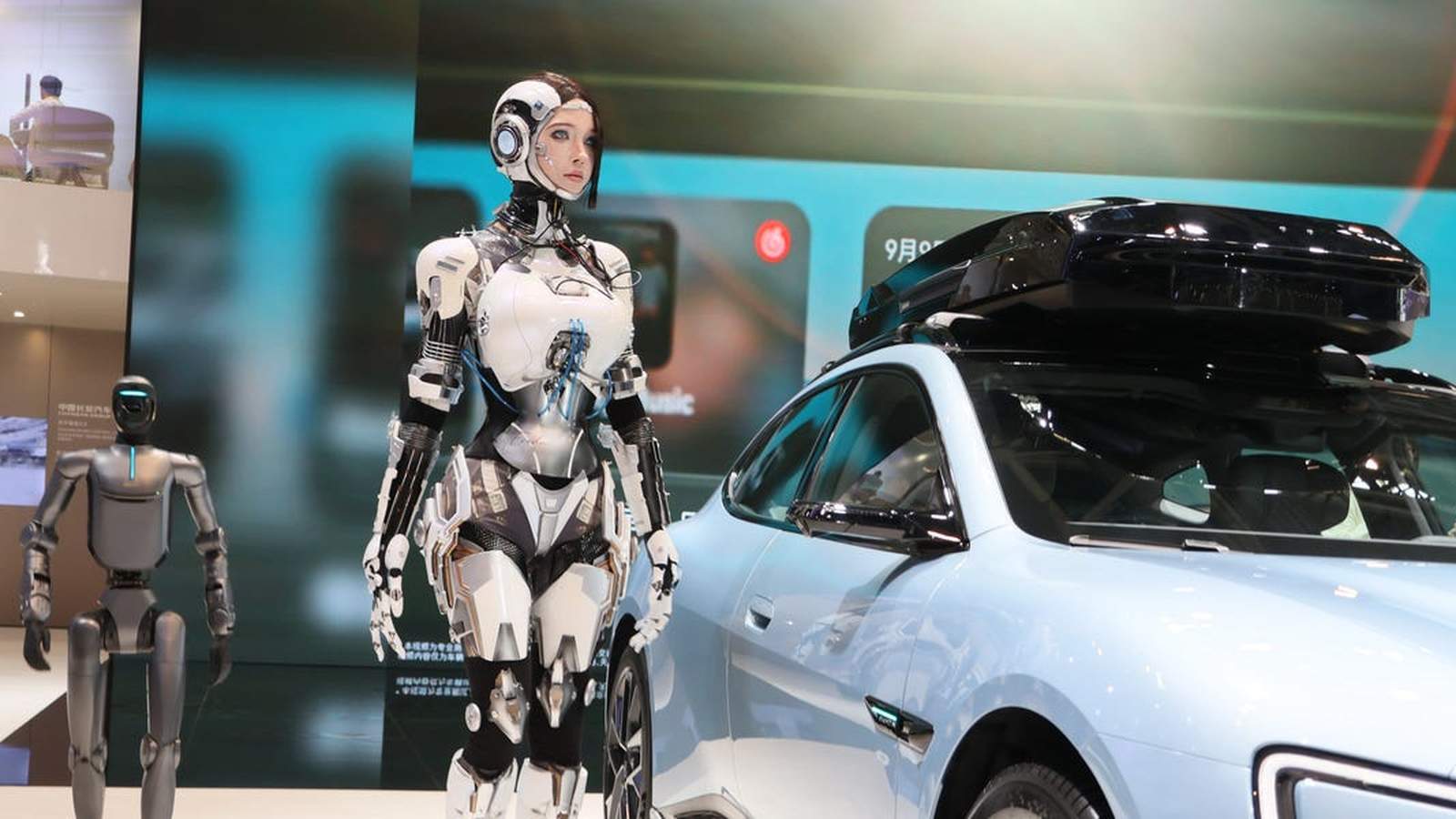
The Beijing International Automotive Exhibition, commonly referred to as Auto China, has concluded its 2026 run, leaving industry observers stunned by the sheer scale and technological ambition of the Chinese automotive sector. Across 10 days of intense activity, 17 halls spanning nearly 100 acres hosted 1,451 vehicles, including 181 world premieres and 71 concept cars, drawing over 1.28 million visitors to the China International Exhibition Center and the Capital International Exhibition Center.
Global Market Shifts and Chinese Automotive Dominance
As traditional automotive hubs in Europe and North America struggle to maintain the relevance of their own trade shows, the Beijing event has emerged as the definitive stage for the next generation of transport. According to Autoweek, the exhibition showcased everything from hypercars capable of reaching 60 mph in under a second to highly sophisticated crossover electric vehicles (EVs). These developments represent a direct challenge to established Western manufacturers, as Chinese firms now lead in both rapid prototyping and the integration of advanced human-machine interfaces (HMI).
Technological Stakes in the Global Auto Race
The significance of the Beijing exhibition lies in the acceleration of the global auto race. While legacy manufacturers in the U.S. and Europe face shrinking interest in physical trade events, Chinese manufacturers are leveraging these massive displays to set the pace for electrification and software-defined vehicles. The event serves as a clear indicator that the competitive landscape is shifting toward high-tech, rapid-cycle manufacturing, leaving Western competitors to grapple with both the economic and logistical implications of China’s dominance in the EV supply chain and design innovation.
The massive turnout and density of new models at the Beijing exhibition suggest that the global center of automotive gravity has decisively shifted, forcing Western manufacturers to rethink their approach to both innovation cycles and consumer-facing trade events to remain competitive in the coming decade.