


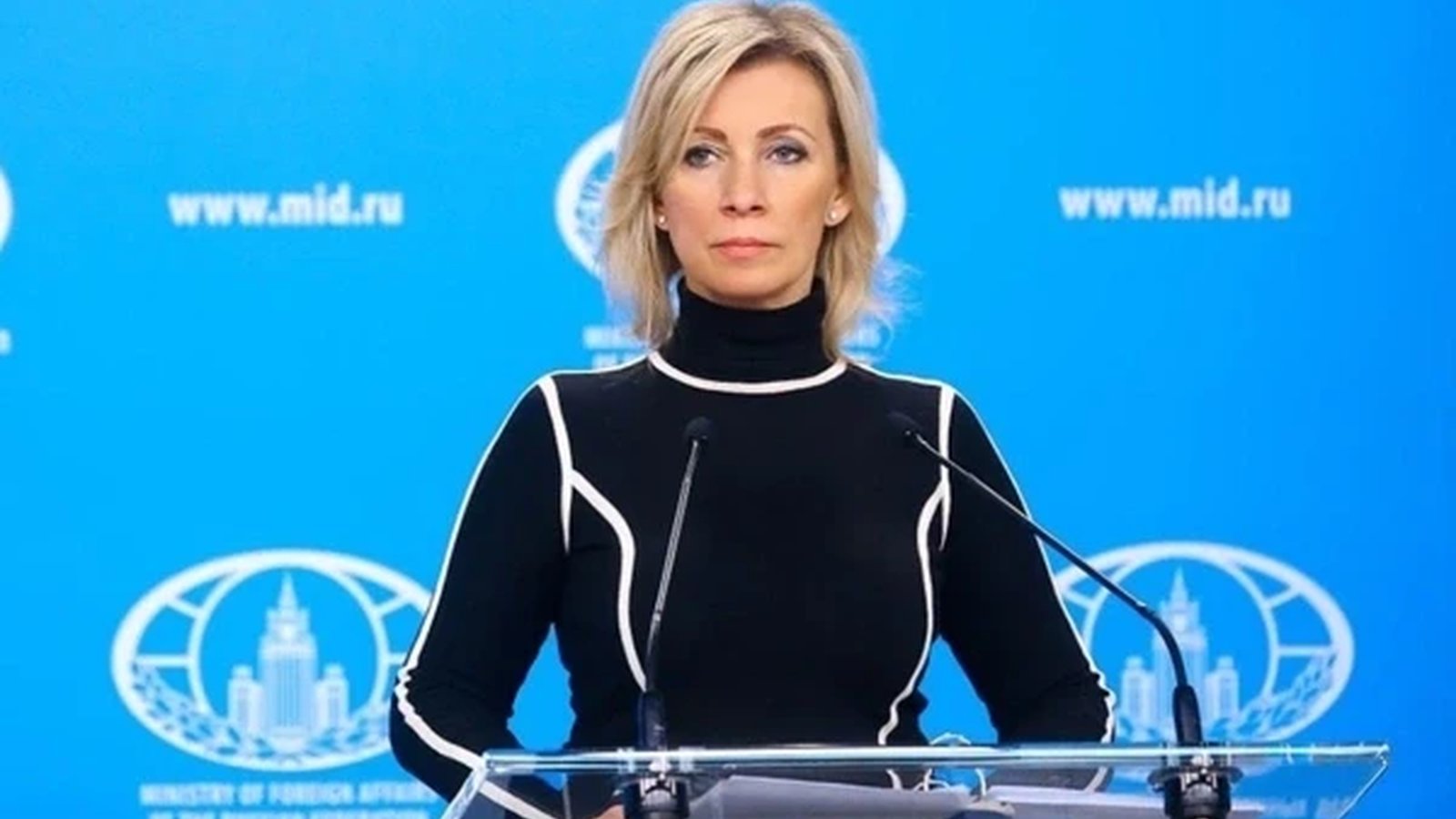
Tensions between Moscow and Yerevan have escalated following sharp public criticism from the Russian Foreign Ministry. Spokesperson Maria Zakharova claimed this week that the Armenian leadership has violated previous private assurances given to Moscow regarding their diplomatic stance toward Russia. The Russian government alleges that by hosting Ukrainian President Volodymyr Zelenskyy, Yerevan has provided a platform for what it characterizes as the “Kyiv regime,” effectively breaking a pledge that Armenia would not engage in actions detrimental to Russian interests.
Diplomatic Friction and Regional Realignment
The Russian critique comes on the heels of a high-profile series of meetings in Yerevan, including the European Political Community summit and high-level talks with EU leadership. Moscow’s rhetoric highlights a growing discomfort with Armenia’s deepening institutional engagement with the European Union. From a liberal democratic perspective, the friction underscores the challenges faced by a sovereign state navigating a transition toward Western-backed democratic institutions while managing the legacy of deep-seated security dependencies with a regional power that increasingly views such diversification as a hostile act.
The Weight of Unresolved Issues
While the current diplomatic spat centers on Ukraine, the broader context of Russia-Armenia relations remains burdened by unresolved regional grievances. Notably, the Russian Foreign Ministry has continued to press for the release of eleven Russian citizens currently held in detention in Baku. Despite ongoing consular access and high-level communications between Russian and Azerbaijani authorities, the continued detention of these individuals remains a persistent point of contention that complicates the regional security architecture.
- Russia alleges Yerevan broke private non-action pledges during recent Moscow visits.
- The diplomatic fallout is linked to President Zelenskyy’s visit to Armenia and deepening EU ties.
- Eleven Russian citizens remain in detention in Baku, a separate but significant friction point for Moscow.
The Russian government’s attempt to frame Armenia’s sovereign foreign policy choices as a “betrayal” of a fraternal relationship reflects a broader geopolitical strategy to maintain influence through coercion rather than consensus. For Yerevan, the challenge lies in balancing these intense external pressures against the necessity of building sustainable, transparent, and democratic institutions that can withstand attempts at external political leverage. Ultimately, the stability of Armenia’s path will depend on its ability to uphold democratic accountability while maintaining the agility to navigate an increasingly polarized and volatile regional landscape.