


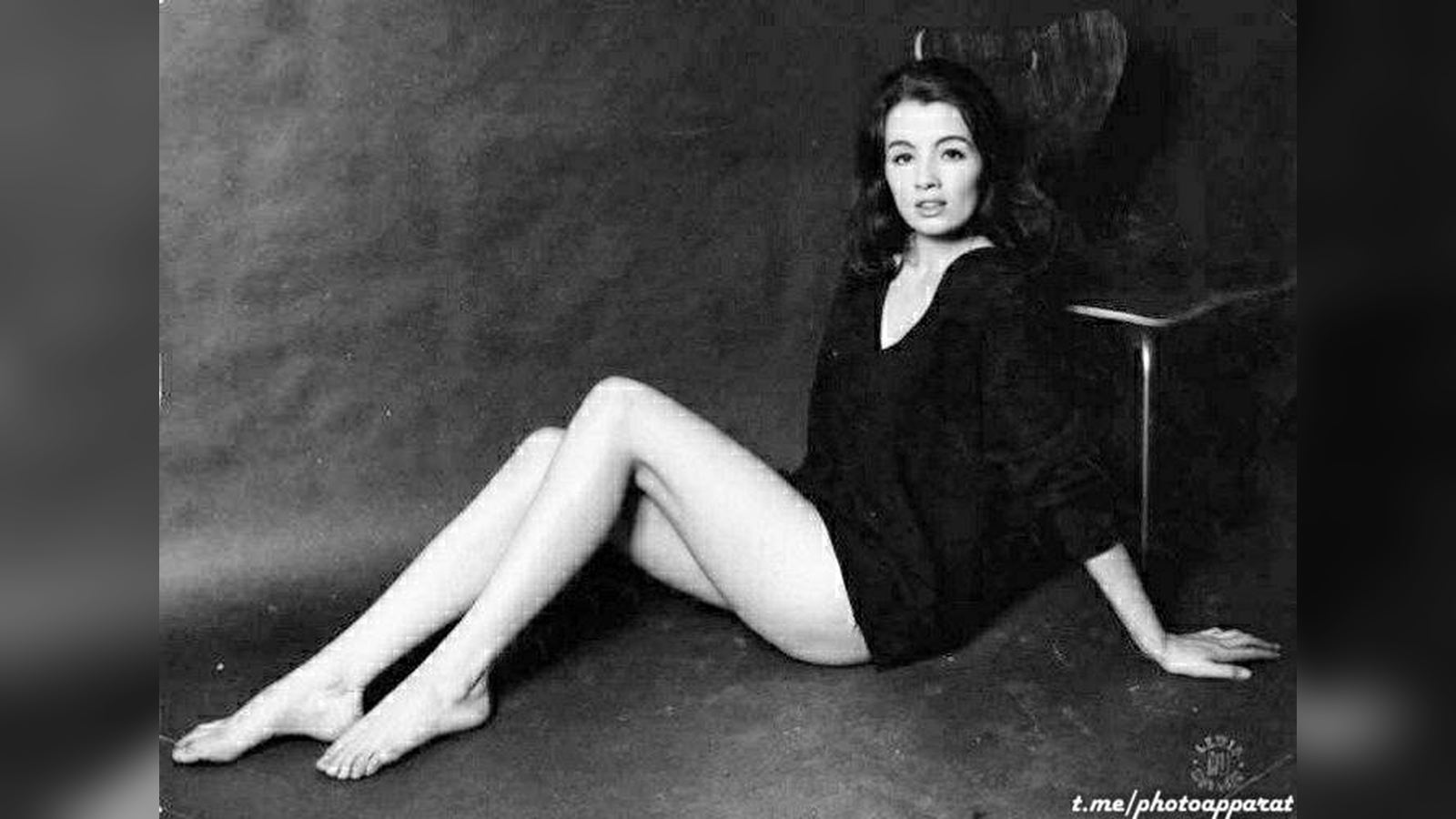
In this iconic 1963 photograph, Christine Keeler is captured sitting backwards on a simple, mid-century plywood chair. Her posture is both provocative and strangely defensive; by using the back of the chair as a shield, she appears to be shielding her nudity while simultaneously presenting herself to the camera. The stark, minimalist composition—void of elaborate staging—draws all focus to the 21-year-old model who found herself at the center of a geopolitical firestorm. Her gaze is direct, unsmiling, and weary, reflecting the immense pressure she faced as the British press and political establishment turned her private life into a public spectacle. The chair, a common piece of studio furniture, becomes an extension of her personality: utilitarian, slightly awkward, and forced into a role it was never designed to play.
The moment behind the image
The photograph was not a candid snapshot but a deliberate, commissioned act of public relations. As the Profumo affair spiraled into a national security crisis, Keeler was being pursued by every major tabloid in London. The image was taken to satisfy the public’s insatiable curiosity about the woman who had allegedly compromised the British government. Behind this frame lies the story of a young woman manipulated by figures like Stephen Ward, caught between a British cabinet minister, John Profumo, and a Soviet naval attaché, Yevgeny Ivanov. The tension in the room during the shoot was palpable, mirroring the paranoia of the Cold War era, where every social encounter was scrutinized for signs of espionage. The photographer, Lewis Morley, had to navigate a delicate balance: he needed to produce an image that was titillating enough for the tabloids but artistic enough to stand as a portrait of a woman in the eye of a hurricane.
Photographer and provenance
The image is most famously associated with the work of Lewis Morley, who captured it in his studio in 1963. Morley, a photographer who had been working in the London theater scene, was commissioned to take the shot as the scandal reached its fever pitch. The chair itself became a piece of history—a simple, mass-produced item that became the most recognizable prop in British political history. Morley’s approach was minimalist, focusing on Keeler’s personality rather than the salacious details. The photograph was widely distributed, fueling the scandal that ultimately forced John Profumo to resign after he was caught lying to the House of Commons about his relationship with Keeler. The provenance of the image is well-documented, unlike many of the clandestine meetings Keeler had with her various lovers, which remain shrouded in the secrecy of the Cold War. The image remains a primary document of how the British press handled the intersection of sex and politics in the early 1960s.
Historical context
The Profumo affair was a perfect storm of class, sex, and Cold War anxiety. When it was revealed that both the Secretary of State for War and a suspected GRU agent, Yevgeny Ivanov, were involved with the same woman, the British establishment feared a catastrophic security breach. The scandal did not just claim Profumo’s career; it weakened the government of Prime Minister Harold Macmillan, who was already struggling with economic woes and internal party strife. The photograph served as a visual shorthand for the moral decay that the public perceived in the elite circles of London. It captured a moment where the rigid, aristocratic structures of post-war Britain were beginning to fracture under the weight of a new, more permissive, and more cynical generation. Keeler, born in Uxbridge and raised in modest circumstances, became the unwilling face of this transition, vilified by the press but ultimately a victim of a system that exploited her vulnerability.
Why it still matters
Decades later, the image remains a haunting reminder of the cost of notoriety. Keeler spent the rest of her life trying to escape the shadow of this single frame, often living under pseudonyms to avoid the stigma that followed her until her death in 2017. While the political implications of the affair have been analyzed in thousands of documents, the photograph remains the primary way the world remembers the event. It stands as a testament to how a single image can define a historical moment, stripping away the complexity of geopolitical strategy to reveal the human cost of a scandal that changed British politics forever. The image is not just a portrait; it is a document of a society in transition, caught between the old guard and the new, with a young woman serving as the unwilling bridge between the two. It reminds us that behind every major political scandal, there are human beings whose lives are often permanently altered by the relentless gaze of the public eye.