


Legislative Impasse in Washington
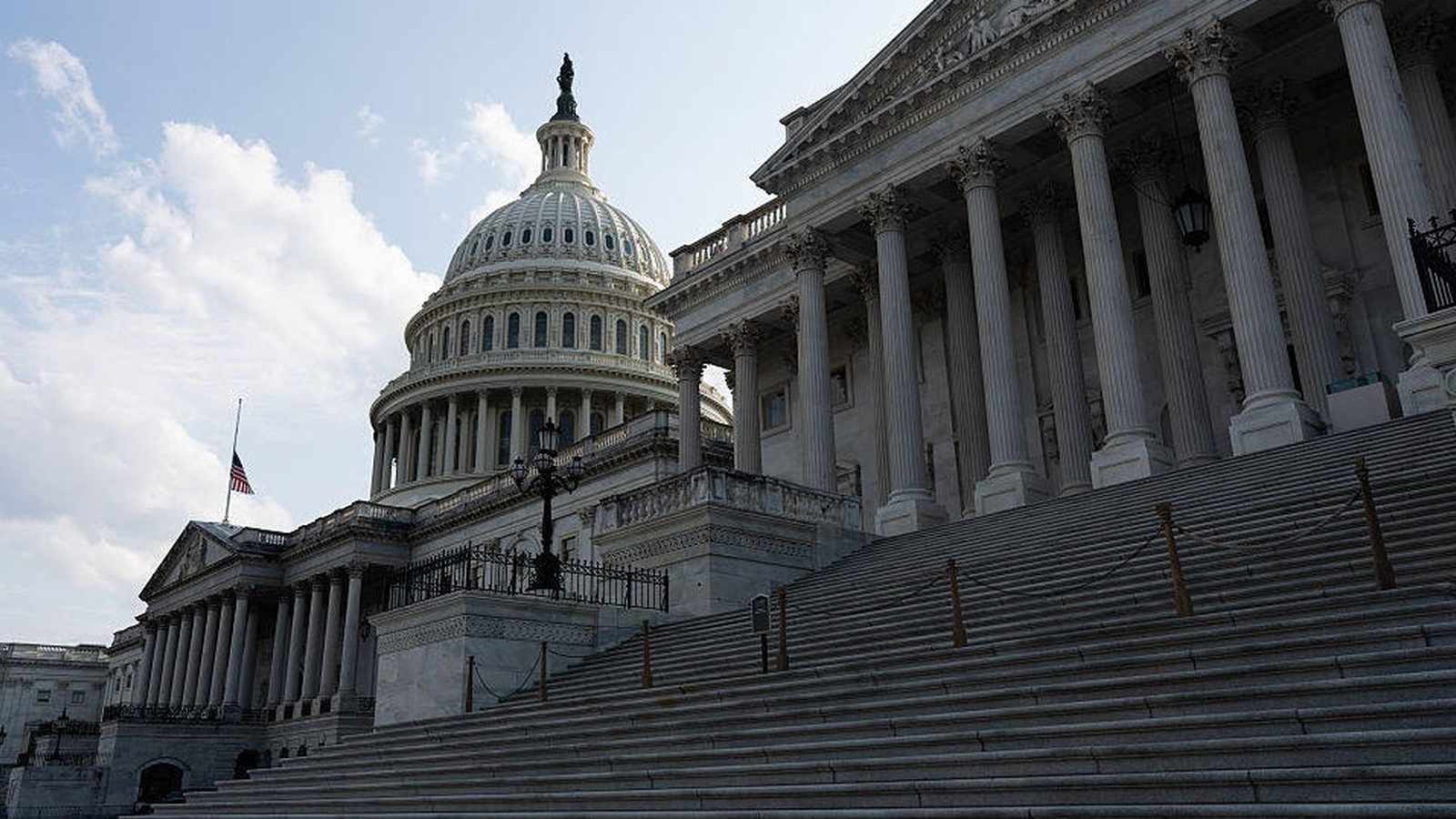
The U.S. Congress remains deeply divided over the administration’s military engagement in Iran following a series of conflicting votes on Thursday. While the House of Representatives passed a war powers resolution by a 214-208 margin directing President Trump to withdraw U.S. forces from hostilities, the Senate subsequently rejected a nearly identical measure in a 47-49 vote.
The legislative action comes at a critical juncture in the conflict, which has seen 18 U.S. service members killed since February, with four deaths reported just since July 17. Pentagon data indicates nearly 500 total injuries among U.S. forces, with 100 of those occurring in the last two weeks alone. The escalating violence, which includes 12 consecutive nights of U.S. airstrikes on Iranian infrastructure, has also rattled global markets, driving Brent crude prices above $100 per barrel.
Constitutional and Political Stakes
The House resolution, spearheaded by Rep. Pramila Jayapal (D-WA), represents a significant symbolic rebuke of the administration’s reliance on executive authority. The measure secured bipartisan support from four Republicans—Reps. Tom Barrett, Brian Fitzpatrick, Warren Davidson, and Thomas Massie—highlighting internal fractures within the GOP. Rep. Jayapal argued that Congress has been sidelined, stating, “This is not a partisan issue. It was not authorized by Congress, and it has cost us incredible tolls: the lives of 18 service members.”
In the Senate, the effort led by Sen. Chris Van Hollen (D-MD) failed to advance despite the support of Sen. Susan Collins (R-ME), who broke ranks with her party. Conversely, Sen. John Fetterman (D-PA) was the sole Democrat to vote against the measure. Senate Minority Leader Chuck Schumer vowed to continue pressing the issue, stating that Democrats would force repeated votes to “end this war, get our troops out of harm’s way, and force Trump to face the reality of this catastrophe.”
The Administration’s Position
The White House continues to maintain that its actions are lawful. While the War Powers Resolution of 1973 mandates that the president report deployments to Congress within 48 hours and caps unauthorized engagements at 60 days, the administration argues that the clock was reset following a brief ceasefire in April. President Trump has dismissed the congressional efforts as “meaningless” and characterized the push as being “fueled by Trump Derangement Syndrome.”
Republican defenders of the administration, such as Sen. Tim Sheehy (R-MT), argue that the conflict is a long-overdue response to decades of Iranian aggression. “They started it with us 47 years ago, and their attacks have gone unanswered for half a century,” Sheehy stated on the Senate floor. “It’s time to fix this problem.” As the House prepares to potentially explore litigation to compel compliance, the path forward remains blocked by a split legislature and an administration firmly committed to its current military strategy.