


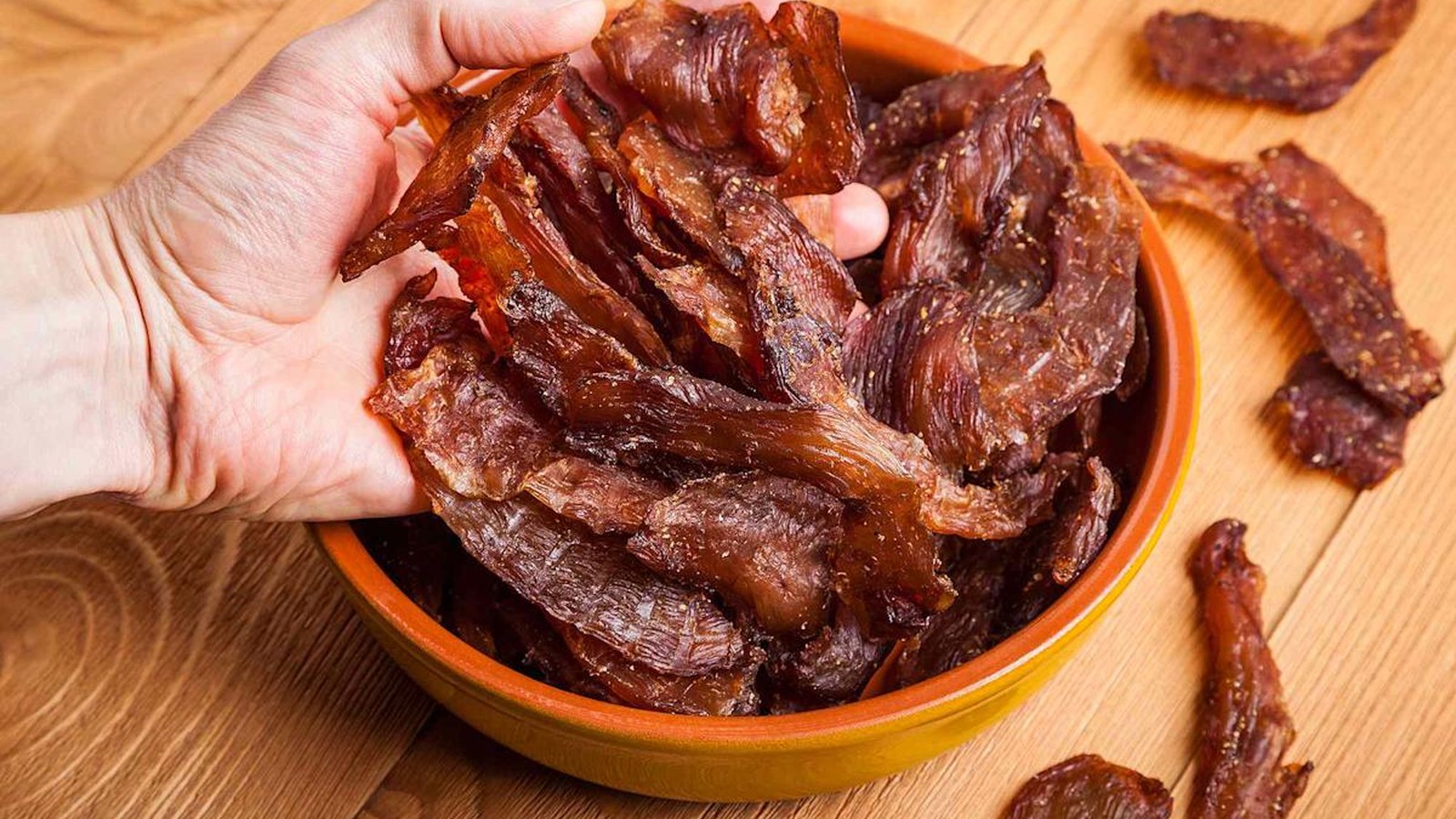
Pork Jerky Recall: Over 2 Million Pounds Pulled for Metal Contamination
On October 24, 2025, LSI, Inc., a South Dakota-based food manufacturer, issued a sweeping recall of approximately 2.2 million pounds of its Golden Island Korean barbecue pork jerky. The recall was prompted by consumer complaints of finding ‘pieces of wiry metal’ inside the ready-to-eat product. According to the Food Safety and Inspection Service (FSIS), the metal fragments originated from the conveyor belt used during production.
The affected jerky was shipped nationwide, reaching shelves at both Costco and Sam’s Club locations. Customers are urged to check packaging for ‘Golden Island fire-grilled pork jerky Korean barbecue recipe’ in 14.5-oz. and 16-oz. pouches, and to look for establishment number ‘M279A’ inside the USDA mark of inspection. The best-by dates span October 23, 2025, through September 23, 2026.
FSIS emphasized that, while no injuries have been confirmed, consumers should not eat the product and are advised to either discard it or return it to the store for a refund. The agency continues to monitor the effectiveness of the recall, ensuring that retailers and consumers are properly notified and that contaminated products are removed from circulation. For further questions, consumers can contact info@goldenislandjerky.com.
This incident follows a similar recall earlier in July 2025, when over 1,000 pounds of Ada Valley frozen ground beef were withdrawn from stores after metal pieces were discovered, underscoring a worrying pattern in food production safety.
Caesar Salad and Chicken Sandwich Recalled Over Plastic Fragments
Just weeks after the pork jerky recall, Costco announced another urgent recall in early November, this time for its Caesar Salad and Chicken Sandwich products. The contamination was traced to plastic fragments found in the salad dressing manufactured by Ventura Foods, a California supplier.
The affected items include Caesar Salad containers with Lot 19927 and Chicken Sandwich packages with Lot 11444, featuring sell-by dates from mid-October to early November 2025. These ready-to-eat foods were distributed across Costco warehouses in the Midwest, Northeast, and Southeast. Customers are urged to stop consuming the products immediately and to return them for a full refund.
Plastic contamination in food can pose serious risks, including choking hazards and potential internal injuries if ingested. Food safety experts point out that the incident highlights vulnerabilities in food processing, particularly where plastic components or packaging materials are present in manufacturing facilities. They call for enhanced monitoring and stricter quality controls to prevent future contamination events.
Costco has responded by working closely with its supplier to address the issue and has provided detailed guidance to customers on how to identify affected products using lot numbers and sell-by dates. Customer service teams remain available to answer questions and facilitate returns. Those who have experienced adverse health effects are strongly encouraged to seek prompt medical attention.
Industry-Wide Concerns: Patterns and Precaution
The back-to-back recalls at Costco signal a broader challenge for the food industry. Both incidents—metal fragments in pork jerky and plastic in salads and sandwiches—reveal how easily foreign objects can infiltrate mass-produced food items. While immediate recalls and public warnings help mitigate harm, these episodes draw attention to the persistent vulnerabilities in food safety systems.
Industry observers note that such contamination often stems from mechanical breakdowns—like a conveyor belt shedding metal—or from packaging mishaps that allow plastic to enter food streams. In both cases, robust protocols for equipment maintenance and ingredient sourcing can reduce risks, but as the 2025 recalls show, the system is far from foolproof.
The issue of microplastics, mentioned by food safety experts, is also gaining traction. While the Costco recall involved visible plastic pieces, the potential health impacts of microscopic plastic contaminants remain a subject of ongoing research and public concern.
Consumer Guidance and Looking Forward
For Costco customers, the immediate advice is clear: check your pantry and refrigerator for the affected products. If you find any pork jerky with the specified best-by dates or the establishment number M279A, or Caesar Salad and Chicken Sandwiches with the listed lot numbers and sell-by dates, dispose of them safely or return to Costco for reimbursement. If you experience symptoms after consuming these items, seek medical help.
FSIS and Costco have pledged to continue monitoring for further issues and to communicate openly with consumers. Meanwhile, these recalls serve as a reminder of the importance of transparency and vigilance in the food supply chain. For manufacturers, the incidents underscore the necessity of regular equipment checks and strict supplier oversight. For consumers, they are a prompt to stay informed and proactive about food safety alerts.
While no confirmed injuries have been reported in connection with these recalls, the rapid action by Costco and FSIS demonstrates the value of strong regulatory oversight and responsive corporate practices. Ultimately, these episodes highlight the ongoing need for investment in food safety infrastructure, reminding both industry and consumers that vigilance is not optional—it’s essential.