


Quick Read
- Masked ICE agents have increased amid a 500% rise in assaults against officers and their families as of June 2025.
- California Senate Bill 627 aims to ban masks in law enforcement to enhance transparency and accountability.
- Protesters and civil rights advocates argue that masked agents create a ‘secret police’ atmosphere, undermining trust.
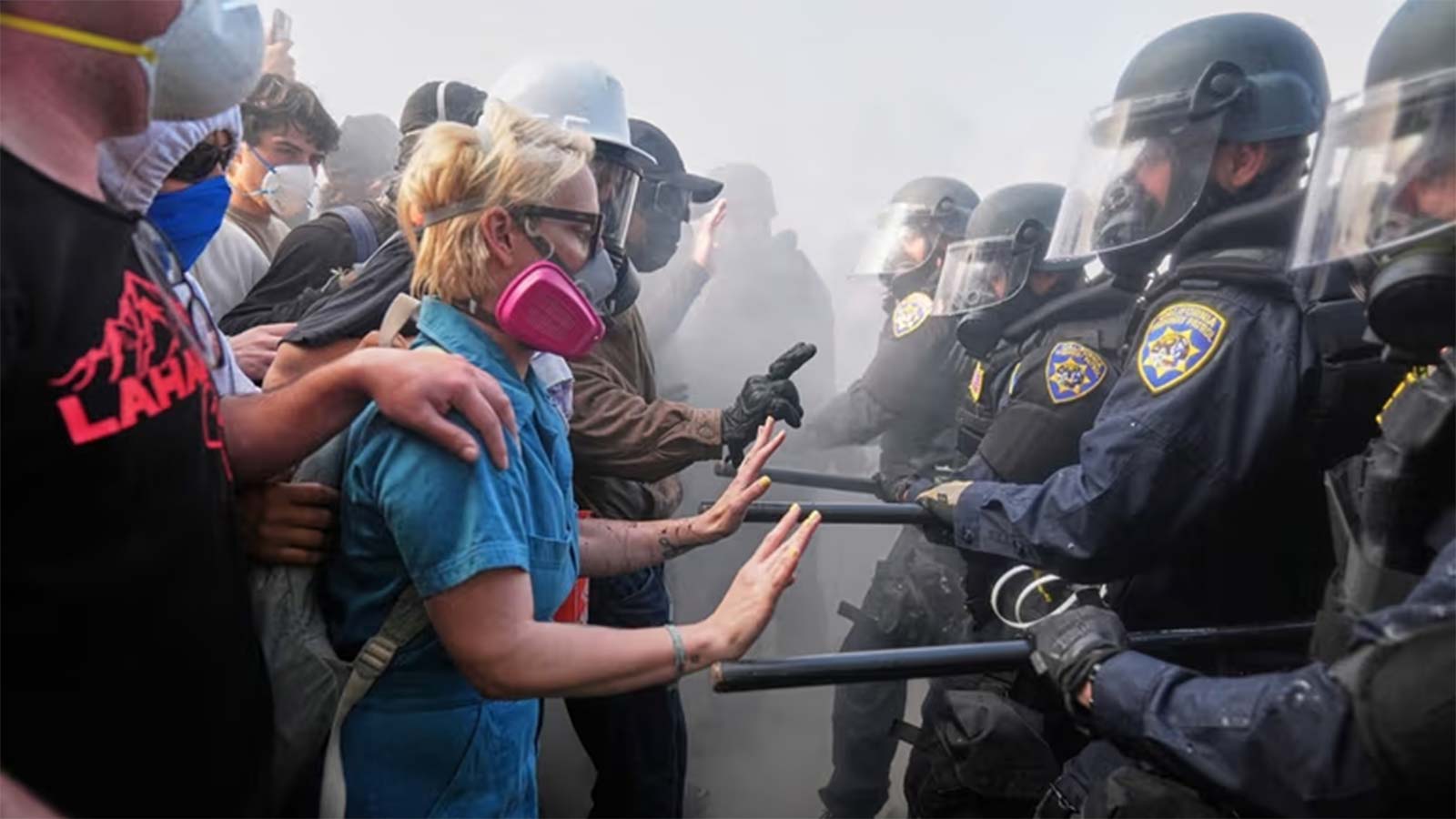
The use of masks by ICE agents during immigration enforcement operations has become a contentious issue in the United States, sparking a heated debate over the balance between officer safety and public accountability. As of June 2025, this practice has drawn significant attention, particularly in light of a reported 500% increase in assaults against ICE officers and their families. This article delves into the key arguments, legislative responses, and community impacts of this controversial practice.
The Rise of Masked ICE Agents
According to Visaverge, the use of masks by ICE agents has surged in response to a sharp increase in threats and assaults. The Department of Homeland Security (DHS) and ICE have cited a 500% rise in such incidents, justifying the need for protective measures. However, this practice has been met with strong opposition from civil rights advocates and community activists, who argue that it creates a ‘secret police’ atmosphere, undermining trust and accountability.
California’s Legislative Response
In an effort to address these concerns, California lawmakers introduced Senate Bill 627, also known as the ‘No Secret Police Act,’ on June 16, 2025. This legislation aims to ban the use of masks by law enforcement officers, including ICE agents, during operations. Proponents of the bill argue that it is essential to ensure transparency and accountability in law enforcement. However, opponents, including DHS and ICE officials, contend that masks are necessary for officer safety in the face of growing threats.
Community and Expert Perspectives
The debate over masked ICE agents has polarized communities and experts alike. Civil rights advocates and legal scholars warn that secretive policing is a hallmark of authoritarian regimes and should be avoided in democratic societies. Community activists have likened masked agents to ‘secret police’ or even the Gestapo, symbolizing oppression and fear. On the other hand, supporters of the practice emphasize the need to protect officers and their families from real and growing threats, as highlighted by the sharp rise in assaults.
Policy Implications and Future Outlook
The issue of masked ICE agents is likely to remain contentious, with strong arguments on both sides. If California passes Senate Bill 627, other states may follow, leading to a patchwork of laws and potential legal battles over federal authority. Public demonstrations against masked ICE agents and aggressive immigration enforcement are expected to persist, and ICE and DHS may adjust their practices in response to new laws, court rulings, or shifts in public opinion.
As the debate over masked ICE agents and immigration enforcement continues, it is essential for all stakeholders to engage with the facts, consider multiple perspectives, and work toward solutions that protect both officer safety and the fundamental principles of transparency and accountability in American society.