


LOS ANGELES (Azat TV) – California has broken a 28-year record for rabid animal detections, recording at least 368 cases this year, according to state public health data reported by SFGATE. The rising figures coincide with a national alert issued by the U.S. Centers for Disease Control and Prevention regarding a significant jump in people seeking post-exposure medical treatment for the deadly virus.
The urgency surrounding the surveillance data escalated this month after two sick raccoons discovered weeks apart in Westlake Village tested positive for rabies. Public health officials noted that these mark the first rabcoons to test positive in Los Angeles County since 1973, immediately triggering fears of a new raccoon-specific variant establishing a foothold in Southern California.
The Stakes and Medical Reality of Rabies
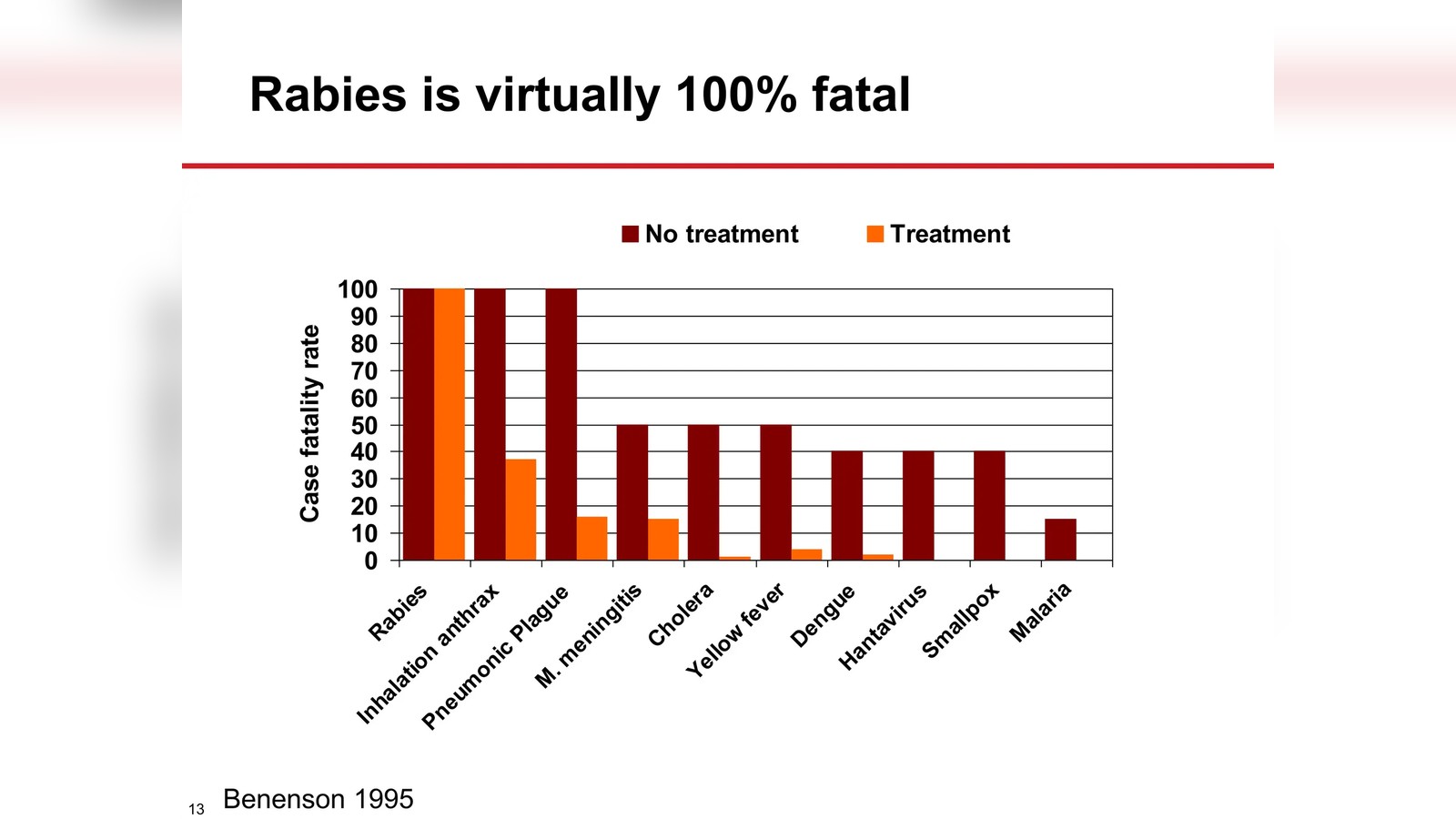
Among infectious pathogens, rabies remains uniquely lethal. Dr. Monica Gandhi, an infectious disease expert at the University of California, San Francisco, described the virus as exceptionally dangerous because it attacks the central nervous system and travels directly to the brain. Initial headaches quickly give way to severe symptoms including seizures, paralysis, neurological instability, delirium, and hallucinations. Once clinical symptoms manifest in humans or animals, the disease is virtually 100% fatal.
Despite the grim prognosis, timely intervention remains entirely effective. Individuals exposed to the virus can receive immunoglobulin shots and a series of vaccines that prevent the pathogen from replicating and save the patient’s life. Nationwide, public health laboratories test approximately 100,000 animals annually, identifying roughly 4,000 positive cases and holding human fatalities to fewer than 10 per year. In California, the most recent human fatality occurred in 2024, when a Merced County art teacher became infected after removing a bat from her classroom.
Investigating the Wildlife Surge
State health authorities emphasize that the overwhelming majority of this year’s 368 positive cases have involved bats and skunks, which serve as the primary wildlife reservoirs for the disease in California. Beth Deines, a spokesperson for the California Department of Public Health, stated that while wildlife detections fluctuate annually and seasonally, current evidence shows no indication that the virus has expanded beyond established bat and skunk populations.
However, experts remain divided on the underlying drivers behind the elevated numbers. Shannon Bennett, chief science officer at the California Academy of Sciences, pointed out that surveillance relies entirely on passive public reporting rather than active sampling of wild populations. Bennett noted that urban expansion into natural wildlife habitats and warming temperatures—which can accelerate viral replication—may also contribute to the phenomenon.
National Trends and Surveillance Gaps
At the federal level, Dr. Ryan Wallace, a veterinary epidemiologist at the CDC, reported a 76% increase in people receiving rabies immunoglobulin shots and a 33% increase in vaccine administrations compared to the prior year. While artificial intelligence tools used by federal researchers have indicated a generalized rise in exposures across several states, national tracking faces significant institutional hurdles.
Following substantial budget cuts and staff reductions, the CDC has experienced delays in processing national surveillance data, leaving the agency roughly a year behind in publishing comprehensive annual reports. Although state and local health departments continue monitoring local jurisdictions effectively, the federal reporting lag complicates efforts to analyze broader regional and national epidemiological trends.