


Midterm Gains Set Up Legislative Clash on Energy Policy
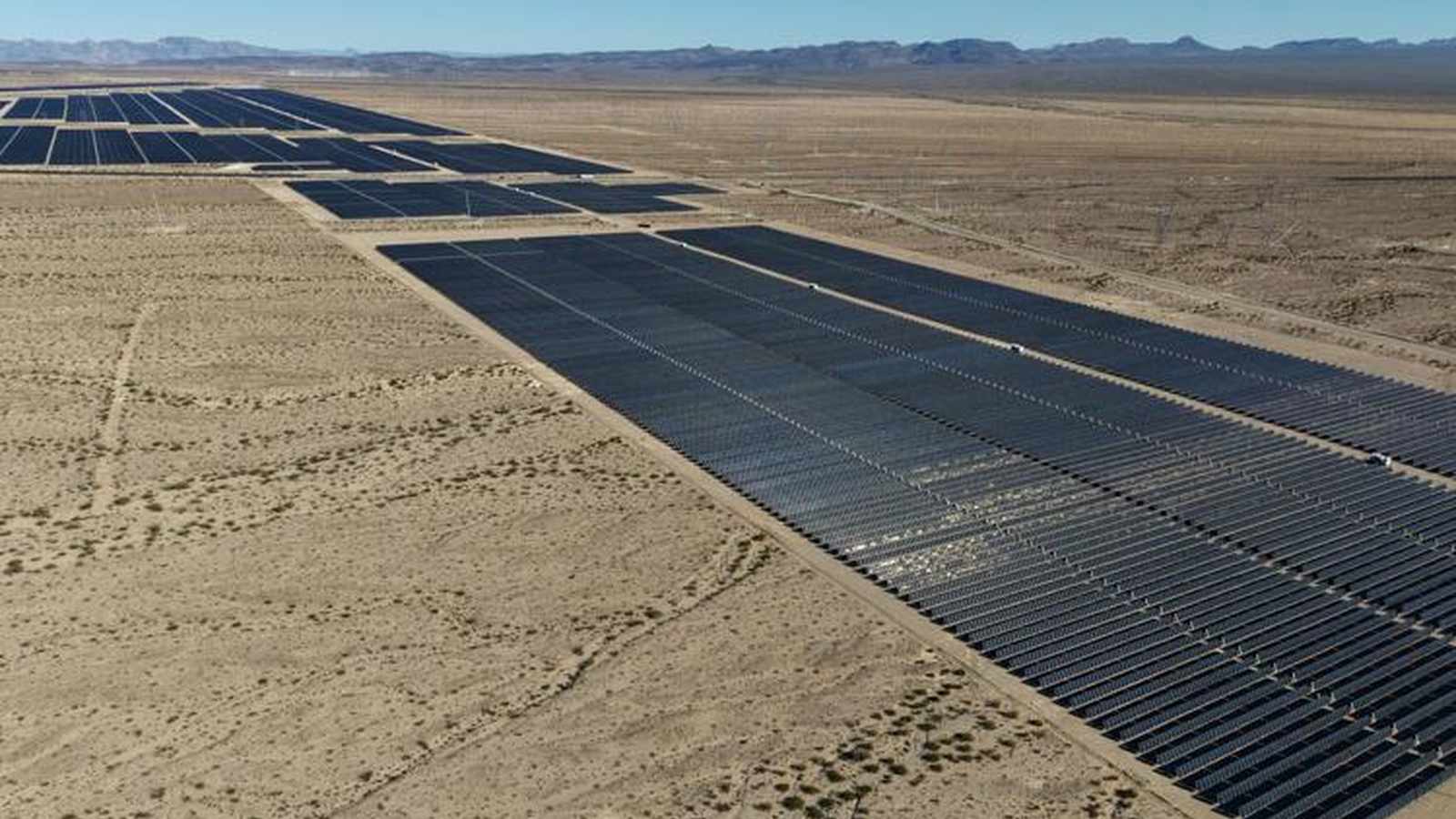
Following midterm election victories that secured new majorities in the House and Senate, congressional Democrats are planning to launch a concerted clean energy push when they take control in January 2027. Reported in an article published by Kokomo Tribune, the upcoming legislative strategy is designed to address rising consumer energy costs while directly challenging President Donald Trump’s fossil fuel-focused administration. Although climate change was not a central fixture of the recent election cycle, the shift in congressional power gives Democrats renewed leverage over federal spending and oversight.
Sen. Sheldon Whitehouse of Rhode Island, the top Democrat on the Senate Committee on Environment and Public Works, argued that the Trump administration’s attacks on clean energy drove up utility and fuel prices for taxpayers. Whitehouse stated that Democrats will work from every angle to lower consumer energy costs and demand accountability for what he termed the massive corruption brought by fossil fuel donors. Meanwhile, Jason Grumet, CEO of the American Clean Power Association, noted that developers attempting to build clean energy projects feel bolstered by the political shift.
Veto Threats and Legislative Realities in Divided Government
Enacting major legislative changes will require bipartisan support because Democrats will lack the necessary two-thirds numbers in Congress to override presidential vetoes. President Trump responded to the midterm outcome by telling Fox News that Democrats will likely send over legislation he considers insane, vowing to veto such measures. However, Trump also predicted that after a couple of months of vetoes, he and congressional Democrats will find practical ways to work together. The White House reaffirmed in a statement that Trump remains committed to unleashing reliable, affordable, and secure energy sources to lower prices, strengthen the power grid, and protect national security.
Independent analysts emphasize that lower energy bills are not guaranteed simply by changing congressional majorities, as consumer prices also depend heavily on international fuel costs, overall market demand, and the ongoing expenses of maintaining aging electrical grids. Lisa Sachs, director of the Columbia Center on Sustainable Investment, pointed out that the election results delivered a clear mandate for affordability and economic opportunity. Sachs noted that the central question moving forward is whether Democrats will deploy their newfound political leverage effectively to deliver tangible relief to consumers.
Oversight Investigations and Permitting Reform Debates
Beyond introducing ambitious green energy bills that may struggle to become law under a divided government, congressional Democrats are preparing to use their committee authority to launch investigations and hold hearings. Lawmakers plan to scrutinize environmental policy rollbacks and the elimination of green energy grants by the Republican administration, while potentially attempting to undo certain regulatory changes and restore renewable energy incentives. Clear Street energy transition analyst Tim Moore expects Democrats to investigate climate rollbacks to block them from taking full effect, alongside potential efforts to amend the Clean Air Act to curb carbon pollution and push back against proposed EPA budget cuts.
At the same time, lawmakers face immediate decisions regarding bipartisan proposals, such as an energy permitting reform package introduced in September aimed at shortening timelines for large infrastructure projects. While some industry figures, including American Petroleum Institute CEO Mike Sommers, view permitting reform as a vital bipartisan opportunity to reduce costs and strengthen the economy, progressive groups like the U.S. Climate Action Network argue that Democrats should reject the measure and instead demand legislation that aggressively builds out new clean energy generation. Meanwhile, other senior Democrats indicate that healthcare access, trade tariffs, and foreign policy matters like the Iran conflict will compete heavily with climate legislation for top priority status in the incoming legislative session.