


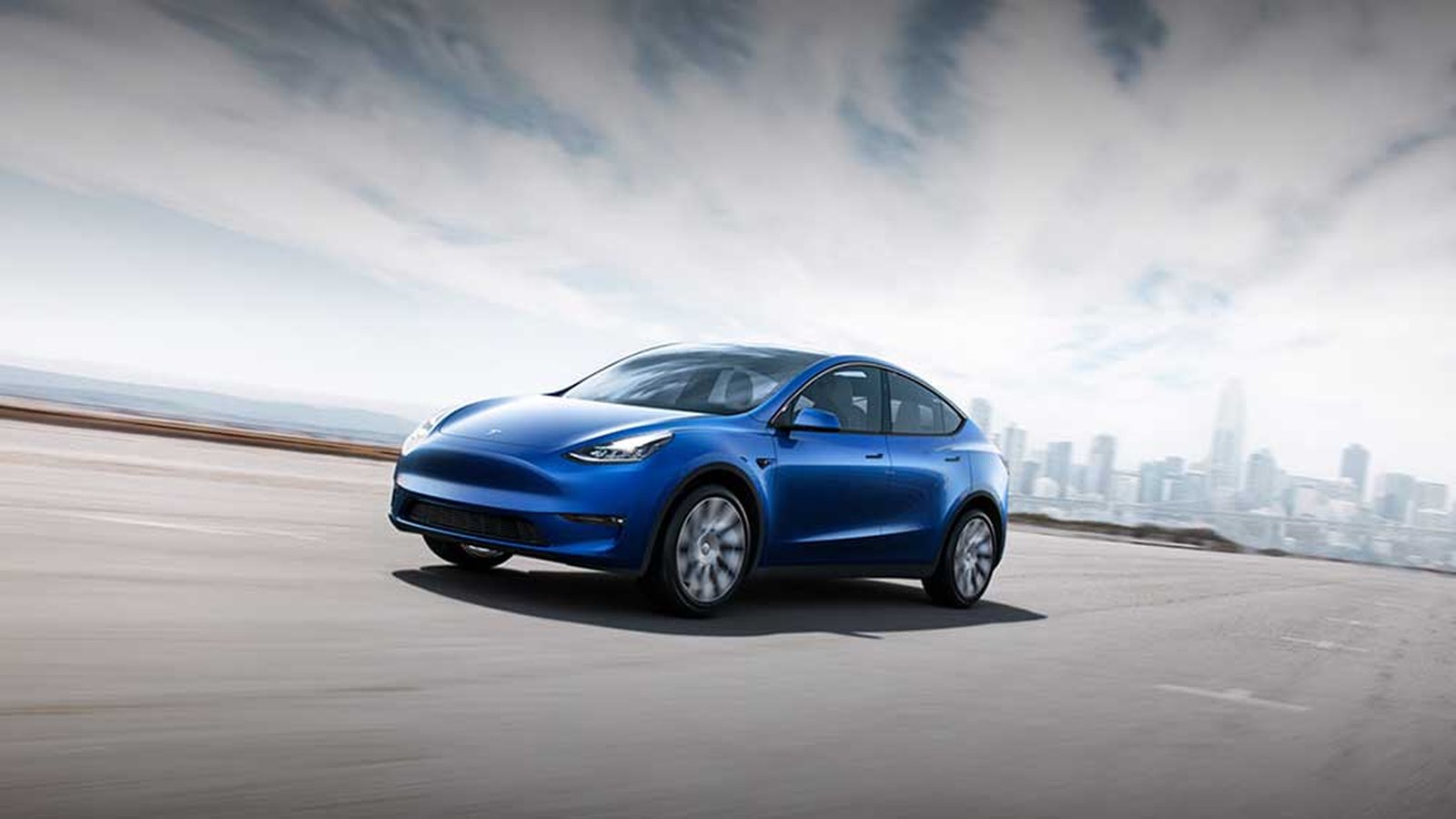
Fort Worth Becomes Seventh Market for Tesla Robotaxis
On Monday, November 2, 2026, Tesla expanded its autonomous robotaxi service to Fort Worth, Texas, according to a company social media announcement covered in an article published by Investor’s Business Daily. Fort Worth marks the seventh city across Texas and Florida where Tesla’s autonomous transport service is now available to users. The newly established geofenced operating area within Fort Worth spans 143 square miles. This deployment represents the first market expansion for Tesla’s robotaxi fleet since the company added Orlando and Tampa, Florida, to its operational footprint in July 2026.
The rollout follows previous Texas launches in Austin, Dallas, and Houston. However, industry analysts and tracking services note that the scale of Tesla’s operating fleet remains modest compared to established competitors. For instance, data from Robotaxi Tracker indicates that Alphabet’s Waymo operates a much larger footprint, commanding thousands of vehicles across multiple U.S. cities, while Tesla’s active vehicle counts in individual Texas markets remain significantly lower. Despite these slower deployment speeds, the company continues to push forward with its autonomous strategy and purpose-built Cybercab production.
Stock Performance and Valuation Pressures
Alongside Monday’s expansion announcement, Tesla (TSLA) stock gained more than 2% in morning trading, according to market data reported by Investor’s Business Daily. The upward movement followed a strong weekly performance in which shares rose 7.4%, marking the stock’s best weekly return since early May 2026. Even with these recent gains, shares remained down approximately 10% for the year prior to the Monday session, reflecting broader challenges in core electric vehicle sales.
Financial analysts emphasized that the company’s valuation—which has traded at elevated multiples exceeding 200 times expected earnings—relies heavily on future growth in artificial intelligence and autonomous transport projects rather than traditional EV sales alone. Core electric vehicle deliveries have shown signs of plateauing, placing intense pressure on leadership to demonstrate concrete progress in the robotaxi sector. Previous earnings calls underscored this sensitivity, as minor executive comments regarding rollout delays have historically triggered sharp downward corrections in share value.
Manufacturing Updates and Competitive Landscape
The expansion into Fort Worth also arrives as Tesla works to scale production of its purpose-built Cybercab model, which was showcased in Austin, Texas. According to analysis published by The Motley Fool, the Cybercab features a dedicated two-seat design completely devoid of a steering wheel and pedals. During manufacturing updates, company officials highlighted a 50% reduction in production line size to improve manufacturing efficiency, alongside claims that the vehicles do not require rare-earth minerals—a notable consideration given ongoing trade tensions concerning global supply chains.
Nevertheless, competition in the autonomous vehicle market remains fierce. Waymo continues to lead the domestic robotaxi sector with an operational fleet estimated near 4,000 vehicles distributed across roughly ten metropolitan regions. Other industry participants, such as Amazon’s Zoox, are also advancing alternative vehicle architectures. For Tesla, converting technological ambitions into widespread commercial availability across dense urban environments will remain a critical variable for investors monitoring the company’s long-term valuation.