

Quick Read
- Dhurandhar, directed by Aditya Dhar, released December 5, 2025, is set to cross Rs 200 crore at the box office within its first week.
- The film stars Ranveer Singh, Sanjay Dutt, R Madhavan, Arjun Rampal, and Akshaye Khanna, and weaves real historical events into its espionage storyline.
- Critical reviews highlight stellar performances, especially by Ranveer Singh and Akshaye Khanna, but note a lengthy runtime and uneven pacing.
- Hrithik Roshan and Deepika Padukone publicly praised the film, though Hrithik faced online backlash over his comments.
- Speculation about a sequel is mounting as Dhurandhar breaks records and dominates headlines.
Dhurandhar’s Unstoppable Box Office Run: What’s Fueling the Frenzy?
The Indian film industry has witnessed its fair share of blockbusters, but few have arrived with the force and momentum of Dhurandhar. Released on December 5, 2025, this espionage thriller directed by Aditya Dhar has rapidly become the centerpiece of Bollywood’s winter season. In just seven days, the film is poised to cross the coveted Rs 200 crore mark—a milestone that cements its status as a box office juggernaut (Times Now).
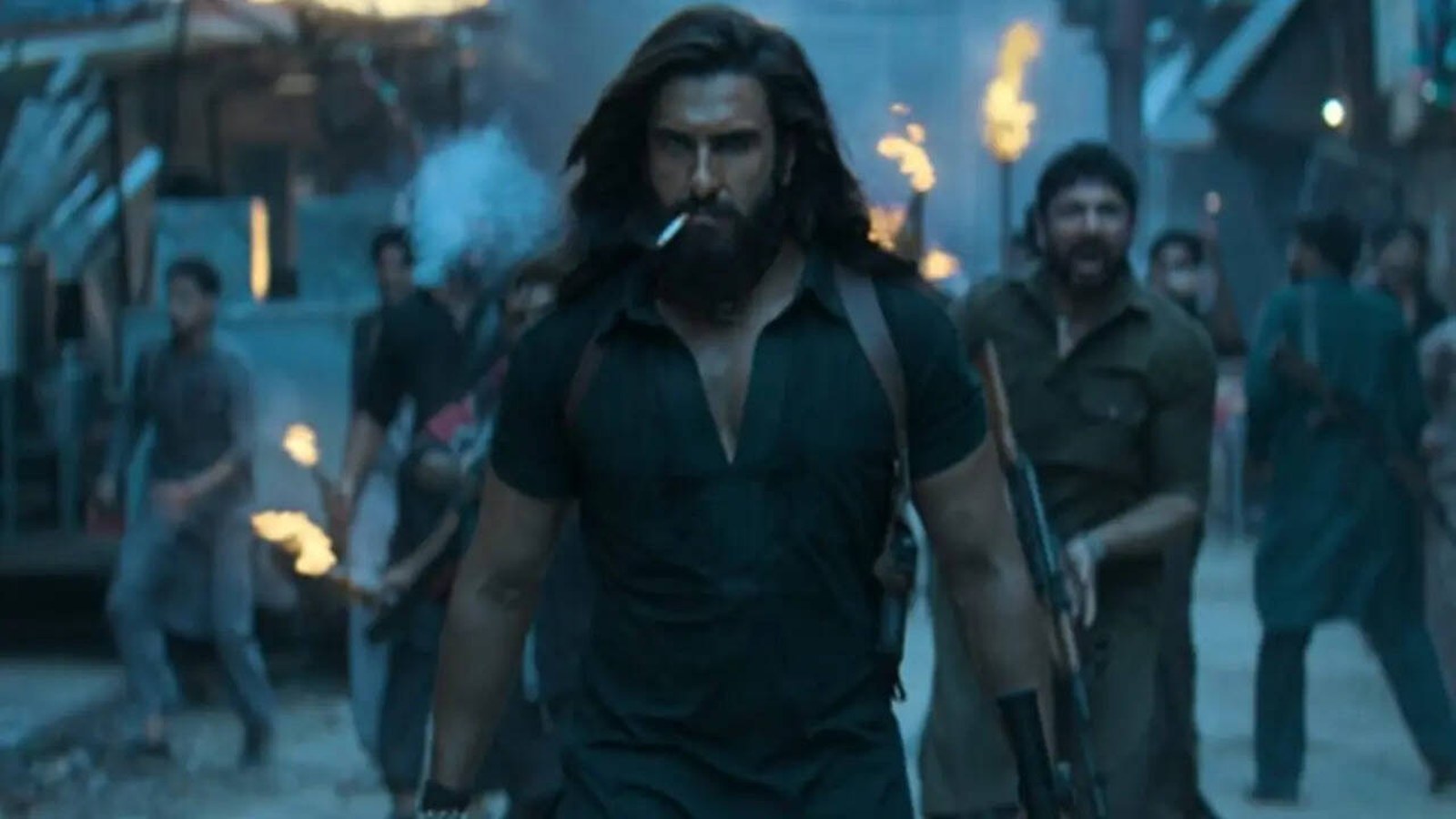
What makes Dhurandhar stand out? For starters, its star-studded cast: Ranveer Singh headlines as undercover agent Hamza, with heavyweight support from Sanjay Dutt, R Madhavan, Arjun Rampal, and Akshaye Khanna. The plot plunges viewers into the shadowy world of espionage, following Hamza as he infiltrates Karachi’s terror networks and navigates a dangerous web of loyalty and betrayal. The narrative weaves in echoes of real-life events—the IC-814 hijacking, the 26/11 attacks—though, notably, the director has denied persistent rumors that the story is a direct biopic of Major Mohit Sharma.
Critical Reception: Stellar Performances Amid Uneven Pacing
From the outset, Dhurandhar has been lauded for its gripping first half and high-octane action sequences. Ranveer Singh’s performance, described by many as career-reviving, anchors the film with intensity and nuance. Akshaye Khanna’s portrayal of gangster Rehman is both chilling and magnetic, while Arjun Rampal’s menacing ISI officer Major Iqbal adds real heft to the antagonists’ side. Sanjay Dutt injects his trademark swagger, and R Madhavan brings a quiet gravitas to his role as Ajay Sanyal.
But not all reviews are glowing. Critics point to the film’s sprawling 214-minute runtime, a sagging second half, and an ending that some have called disappointingly soft. The technical aspects, particularly the evocative background score, elevate the viewing experience, but forced musical numbers and sluggish pacing threaten to drag the film down. Still, the consensus is clear: while Dhurandhar is uneven, its strengths—especially the performances—outweigh its flaws.
Box Office Breakdown: Numbers That Tell the Story
The numbers speak for themselves. Day by day, Dhurandhar has posted robust collections:
- Day 1 – ₹28 crore
- Day 2 – ₹32 crore
- Day 3 – ₹43 crore
- Day 4 – ₹23 crore
- Day 5 – ₹27 crore
- Day 6 – ₹26.50 crore
By the end of Day 6, the film’s total box office take had soared to approximately ₹180 crore, with trade analysts predicting the Rs 200 crore threshold would be crossed on Day 7. For Ranveer Singh, this marks his biggest hit since 2019’s Gully Boy, and it has already eclipsed the lifetime earnings of several of his past blockbusters.
The financial windfall extends to the cast as well: R Madhavan reportedly earned Rs 9 crore, while Akshaye Khanna and Sanjay Dutt each took home around Rs 2.5 crore. Akshaye Khanna, in particular, is now recognized as the highest-grossing Indian actor of 2025—a testament to both the film’s popularity and his enduring appeal.
Star Endorsements and Social Media Buzz: Applause—and Controversy
Dhurandhar’s impact isn’t confined to ticket sales. The film has become a lightning rod for discussion among Bollywood’s elite. Hrithik Roshan, in a widely shared social media post, lauded the performances—singling out Ranveer Singh, Akshaye Khanna, R Madhavan, and Rakesh Bedi, and giving special mention to the makeup and prosthetics team. Roshan wrote, “I can’t wait for part 2!”—a sentiment echoed by fans and critics alike.
Yet, Roshan’s remarks sparked unexpected backlash online. Some social media users accused him of being insensitive, arguing that his praise for the film overlooked the sensitive real-world issues it depicts. While Hrithik hasn’t responded directly to the criticism, the debate highlights how films like Dhurandhar can ignite larger conversations about art, responsibility, and perspective.
Other Bollywood luminaries have chimed in as well. Deepika Padukone, taking time from her packed schedule, declared on social media that Dhurandhar is “worth every minute of those 3.34 hours,” urging fans to see it on the big screen. Arjun Rampal, reflecting on his experience, praised Ranveer Singh’s “focus, determination, and unique methods,” underscoring the camaraderie and respect among the film’s ensemble cast.
The film’s breakout success has also thrust its younger talents into the spotlight. Sara Arjun, whose performance drew mixed reviews, received warm encouragement from casting director Mukesh Chhabra—signaling an industry eager to nurture emerging talent, even as it celebrates its established stars.
What’s Next? Sequel Anticipation and the Road Ahead
With box office records tumbling and audience enthusiasm undiminished, speculation is mounting about a sequel. Both fans and industry insiders—spurred on by cryptic hints from the cast and crew—are eager to see where director Aditya Dhar takes the story next. The strong performances, especially Ranveer Singh’s transformative turn as Hamza, have laid the groundwork for an ongoing saga that could redefine the Indian espionage genre.
Despite its imperfections, Dhurandhar has struck a chord with viewers across India. It’s a reminder that, in Bollywood, the right blend of story, star power, and spectacle can still set the box office—and the public imagination—ablaze.
In weighing the facts, it’s clear that Dhurandhar’s record-breaking run is as much about timing and talent as it is about spectacle. The film’s commercial success, combined with genuine critical appreciation for its performances, suggests a rare alignment of box office might and artistic achievement. Yet, the online backlash also shows that even in triumph, cinema remains a mirror—reflecting society’s hopes, anxieties, and the ongoing debate over how stories should be told.