


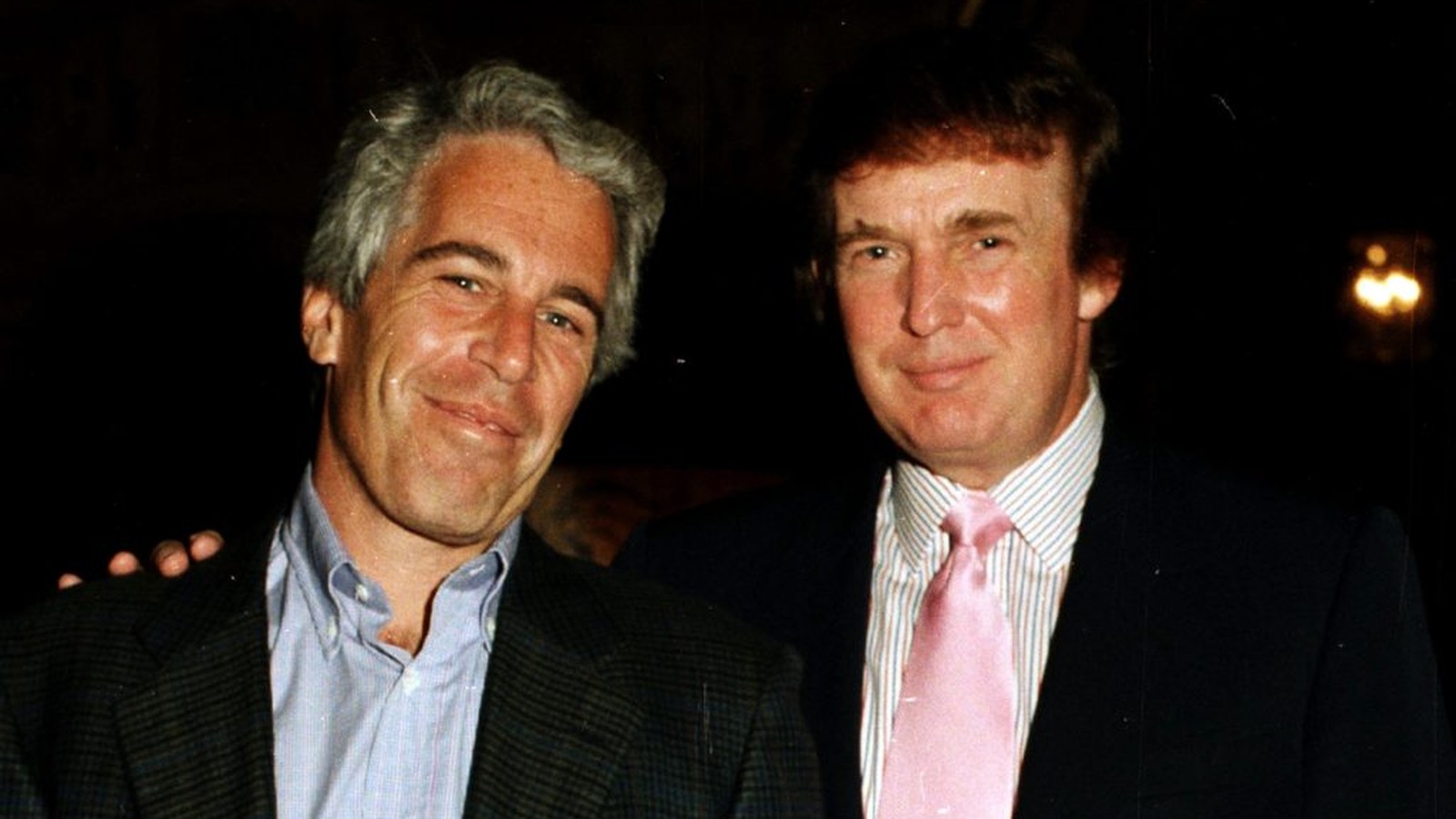
DOJ’s Partial Epstein Files Release Sparks Outrage Over Deleted Trump Photo
On Friday, December 19, 2025, the Department of Justice (DOJ) made thousands of pages of documents related to convicted sex offender Jeffrey Epstein publicly available, following intense pressure from Congress, survivors, and transparency advocates. Yet, by Saturday, a conspicuous absence had set off a firestorm: a photo appearing to show Donald Trump with a group of women, previously listed as file “EFTA00000468,” was no longer accessible in the DOJ’s online Epstein library.
Democrats on the House Oversight Committee were quick to accuse the DOJ of orchestrating a cover-up, demanding answers about why the image—one among at least 16 files removed—had vanished. The missing photograph, according to The Independent and NPR, depicted a man believed to be Trump, dressed in a white shirt, standing amid several women, one of whom was wearing a bikini. Behind the main image, faces of Melania Trump and Ghislaine Maxwell were partially visible, suggesting the photo may have dated back to the early 2000s during a gathering at Mar-a-Lago.
Political Fallout: Transparency and Accountability Under Fire
“What else is being covered up?” the Oversight Committee asked publicly, echoing the frustration of lawmakers on both sides of the aisle. Senate Minority Leader Chuck Schumer called the incident potentially “one of the biggest cover-ups in American history,” while Representatives Ro Khanna (D-CA) and Thomas Massie (R-KY), co-authors of the Epstein Files Transparency Act, condemned the DOJ for failing to comply with the law’s mandate for a full, unredacted release.
According to NewsChannel 20, Khanna and Massie were particularly incensed by the DOJ’s heavy redactions and incomplete disclosure. Khanna’s video statement highlighted that the DOJ provided no explanation for completely redacted documents, including 119 pages of Grand Jury testimony. Massie warned that future DOJ officials could face legal consequences for withholding files the law required to be public.
Survivors and Advocates Demand Full Disclosure
For many survivors of Epstein’s abuse, the partial release and missing files felt like a betrayal. Haley Robson, who previously supported Trump, told The Independent she expected obstacles, but the administration’s “flip flop” on transparency was deeply disappointing. Critics noted that while the DOJ claimed to protect victim privacy, many released photos were undated, lacking context, and included images of other prominent figures such as Bill Clinton and Michael Jackson. Inclusion in the files, officials stressed, did not imply wrongdoing.
The missing Trump photo, however, became a lightning rod for public distrust. Advocacy groups and lawmakers warned that the selective removal of files—especially those featuring powerful individuals—would only fuel conspiracy theories and undermine faith in government accountability.
Technical Issues and Next Steps: The Fight for Full Access
The technical rollout of the Epstein files was marred by problems. So many users attempted to access the DOJ’s online library that the website frequently crashed, leaving many in a virtual queue for hours. Meanwhile, open-source collections maintained by independent researchers continued to circulate the deleted photo, further complicating the DOJ’s position.
The DOJ has so far admitted that the release is partial and has promised that more documents will be made available in the coming weeks. White House spokespeople, while avoiding direct comment on the missing Trump image, insisted that the current administration is “the most transparent in history.” They pointed to cooperation with subpoenas and President Trump’s calls for further investigations into Epstein’s Democrat associates as evidence of good faith.
Still, Democrats and transparency advocates remain skeptical. Many demand a congressional investigation into the missing files, including the Trump photo, and insist on full compliance with the Epstein Files Transparency Act.
- Sources: The Independent, NPR, NewsChannel 20, Democracy Docket
Analysis: The removal of the Trump photo from the Epstein files and the broader pattern of redactions highlight the ongoing tension between privacy, legal obligations, and the public’s right to know. While the DOJ insists that victim protection is its priority, the lack of transparency and accountability, especially regarding files linked to powerful figures, risks deepening public distrust. In an era where information is currency, selective disclosure—intentional or not—can shape narratives, fuel suspicion, and challenge the very foundations of democratic oversight.