
Quick Read
- The DOJ has filed a misconduct complaint against Judge James Boasberg for alleged improper remarks about the Trump administration.
- The complaint focuses on comments suggesting the Trump administration might ignore court rulings, raising concerns of bias.
- Boasberg has been involved in high-profile cases, including blocking deportation flights to El Salvador under the Alien Enemies Act.
- This legal conflict highlights broader tensions between the Trump administration and the U.S. judiciary.
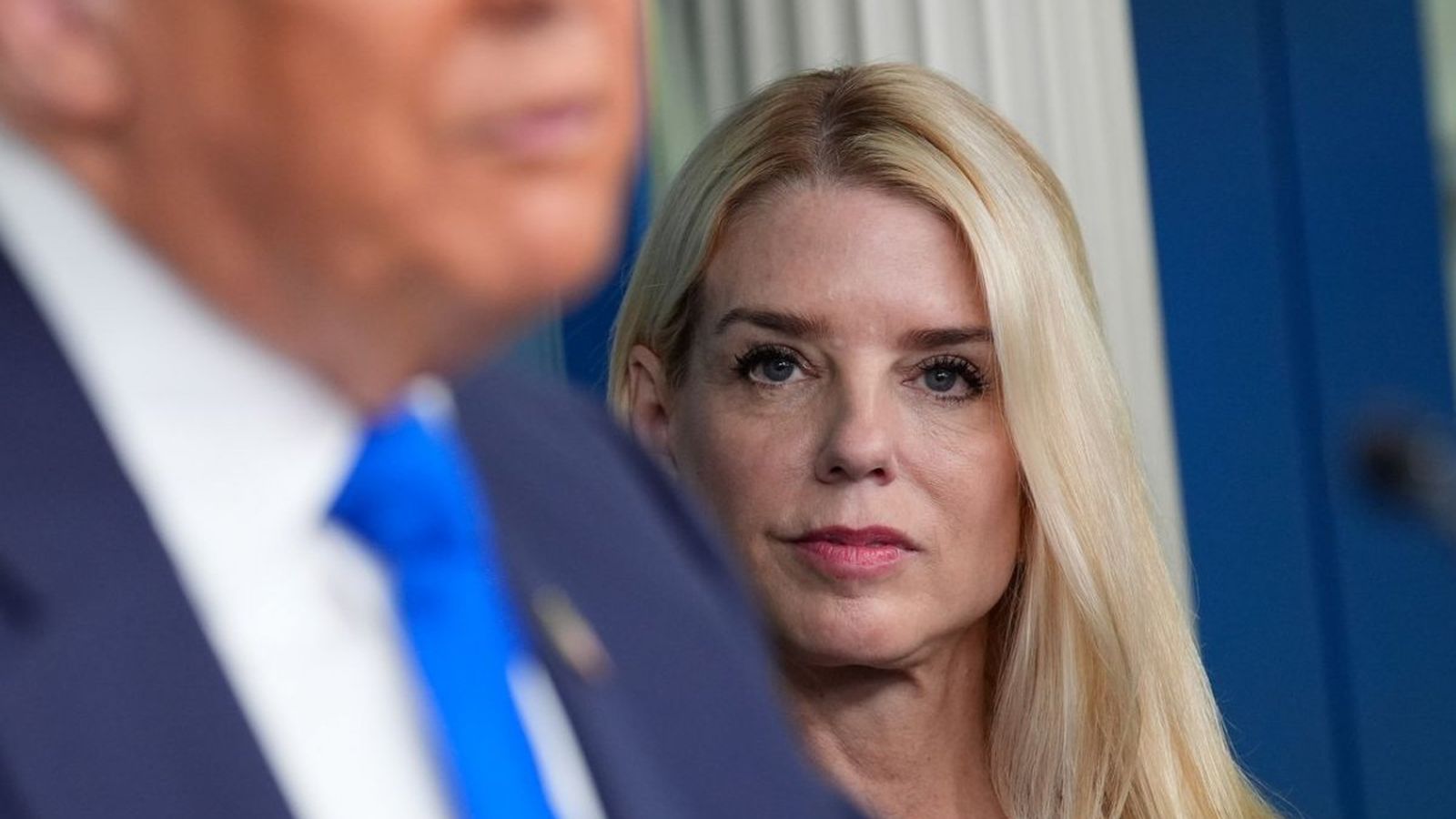
The U.S. Department of Justice (DOJ) has filed a formal misconduct complaint against Chief U.S. District Judge James Boasberg, further escalating tensions between the judiciary and the administration of President Donald Trump. Attorney General Pam Bondi made the announcement on Monday, marking a significant development in the ongoing legal disputes surrounding the administration’s controversial immigration policies.
Allegations Against Judge James Boasberg
The DOJ complaint, signed by Chad Mizelle, chief of staff to Attorney General Bondi, accuses Judge Boasberg of making improper remarks during a closed judicial conference in March 2025. According to the filing, Boasberg suggested that the Trump administration might disregard federal court rulings, potentially triggering a “constitutional crisis.” The remarks were reportedly made in the presence of Chief Justice John Roberts and other federal judges, as reported by UPI.
Boasberg’s comments came amidst litigation regarding President Trump’s executive order to deport hundreds of Venezuelan migrants to El Salvador, where they would be detained in the notorious Terrorism Confinement Center (CECOT). The judge had previously ruled against the administration, ordering the cessation of deportation flights on March 15. Despite this, the administration proceeded with three flights, prompting Boasberg to initiate contempt proceedings. The appeals court later paused these proceedings, leaving the legal and political disputes unresolved.
Context and the Alien Enemies Act
At the center of this conflict is the Trump administration’s use of the Alien Enemies Act, an 18th-century law granting the president broad authority to act against nationals of countries deemed hostile during wartime. Trump invoked this rarely used law to expedite the deportation of suspected Venezuelan gang members. Critics, including Judge Boasberg, argue that the administration’s actions violate due process and court orders.
In April, Boasberg ruled that the administration had acted in “bad faith” by deporting migrants in defiance of his order. The Justice Department’s complaint now alleges that Boasberg’s remarks during the March conference indicate bias and undermine judicial neutrality. The complaint requests the reassignment of the Alien Enemies Act case and seeks public disciplinary action against the judge.
Broader Implications for Judicial Independence
This case is part of a broader pattern of clashes between the Trump administration and the judiciary. Since his return to the White House in January 2025, Trump has openly criticized judges who have ruled against his policies, including Boasberg, whom he has called a “radical left” judge and a “grandstander.” Trump has even suggested impeachment for judges he perceives as obstructing his agenda.
The administration’s actions have drawn criticism from legal experts and advocates for judicial independence. Chief Justice John Roberts, a conservative appointee, issued a rare public statement defending the judiciary’s impartiality following Trump’s comments about Boasberg. Meanwhile, DW reports that the DOJ has filed similar complaints against other judges, including a February 2025 filing against Judge Ana Reyes for alleged misconduct during litigation over Trump’s executive order banning transgender individuals from military service.
Next Steps and Political Ramifications
The misconduct complaint against Boasberg will be reviewed by the U.S. Court of Appeals for the D.C. Circuit, led by Chief Judge Sri Srinivasan. If the allegations are substantiated, the court could recommend impeachment proceedings or other disciplinary measures. The DOJ is also requesting interim corrective actions, including the reassignment of cases involving the administration’s immigration policies.
As noted by News.az, this legal battle underscores the heightened tensions between the executive branch and the judiciary under the Trump administration. Legal scholars warn that such conflicts could erode public trust in the judiciary and exacerbate political polarization in the United States.
This case represents more than just a legal dispute; it is a litmus test for the resilience of America’s democratic institutions in the face of unprecedented political and legal challenges.