


A Foundation Built on Excellence
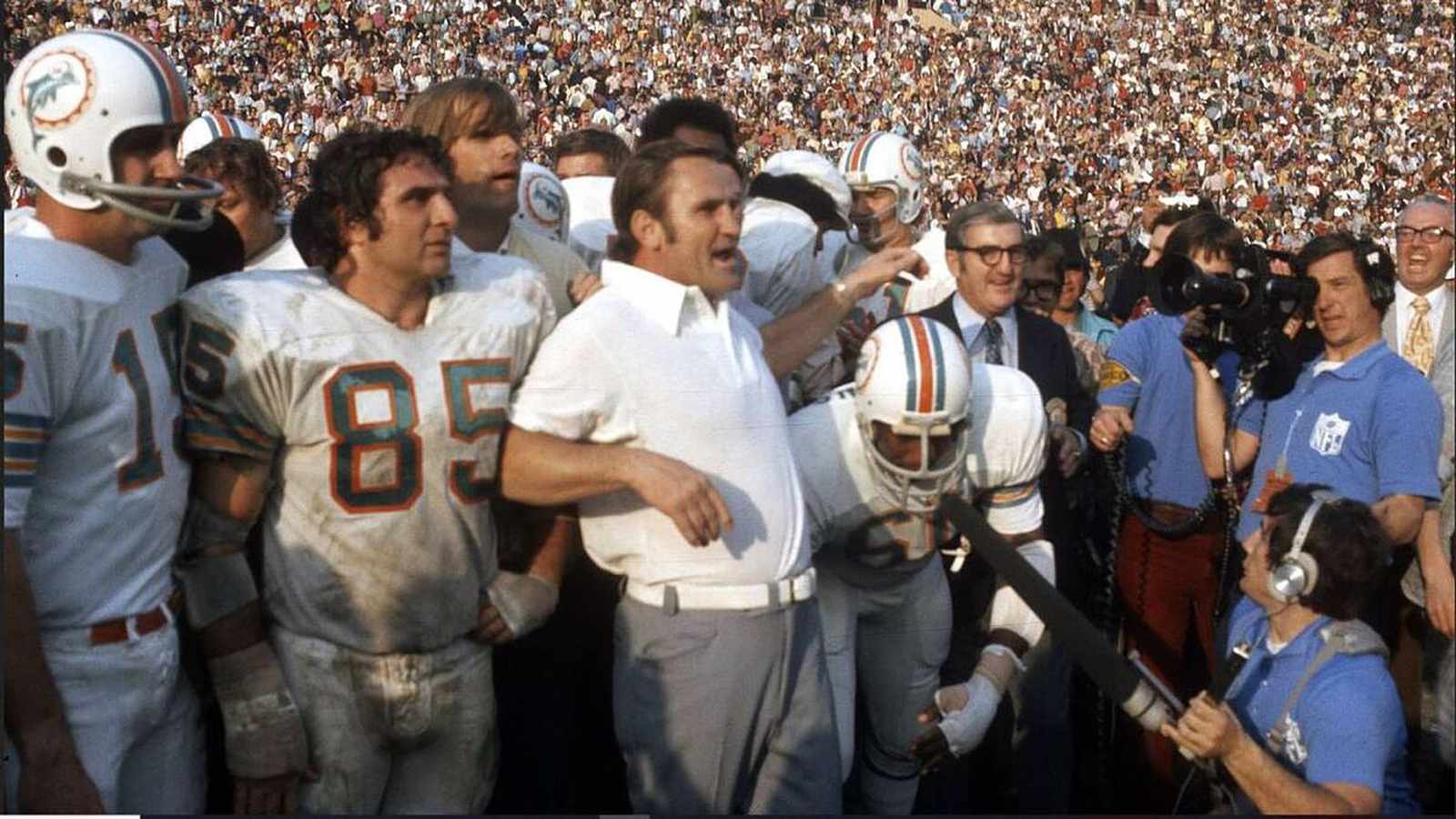
While modern NFL expansion efforts focus on sophisticated global marketing and regular-season games abroad, the league’s deep-rooted popularity in Mexico traces back to the dominance of one man: Don Shula. According to Heraldo USA, the Miami Dolphins’ historic undefeated 1972 season and their subsequent back-to-back championships under Shula were the decisive factors that captured the imagination of Mexican sports fans during the 1970s.
Before the NFL’s surge in the region, Mexican sports culture was dominated by soccer, baseball, and lucha libre. The arrival of televised Super Bowl broadcasts in the early 1960s provided the initial spark, but it was the professional standard set by Shula’s Dolphins that cemented the league’s status. Shula’s ability to build a disciplined, winning culture translated across borders, turning a niche American broadcast into a cultural phenomenon that now boasts approximately 40 million followers in Mexico.
From 1970s Icons to Modern Growth
The success of the 1970s Dolphins created a blueprint for international fan acquisition that the NFL continues to refine. While later teams like the Dallas Cowboys and the New England Patriots utilized different strategies—such as massive media exposure and dynasty-era dominance—the initial penetration of the Mexican market relied heavily on the consistent excellence exemplified by the Shula era. Heraldo USA notes that today, the NFL is the second-largest sports fan base in Mexico, second only to the United States.
This growth is not merely historical. The league’s current owners have invested heavily in global infrastructure to bring fans closer to their favorite teams, a strategy that builds upon the foundational interest cultivated decades ago. The upcoming game between the San Francisco 49ers and the Minnesota Vikings in Mexico serves as a testament to this sustained demand, with stadiums consistently reaching capacity whenever NFL teams visit.
The Legacy of 300 Wins
Don Shula’s impact is perhaps best understood through the lens of his 300 career victories, a milestone that remains a benchmark for coaching excellence in the modern NFL. In an era where roster turnover is high and parity is the league’s primary operational goal, reaching such a milestone is increasingly rare. Shula’s influence extended beyond his tactical acumen; he established the expectation that a franchise should be a perennial contender, a philosophy that remains the gold standard for global brand growth in professional sports.