


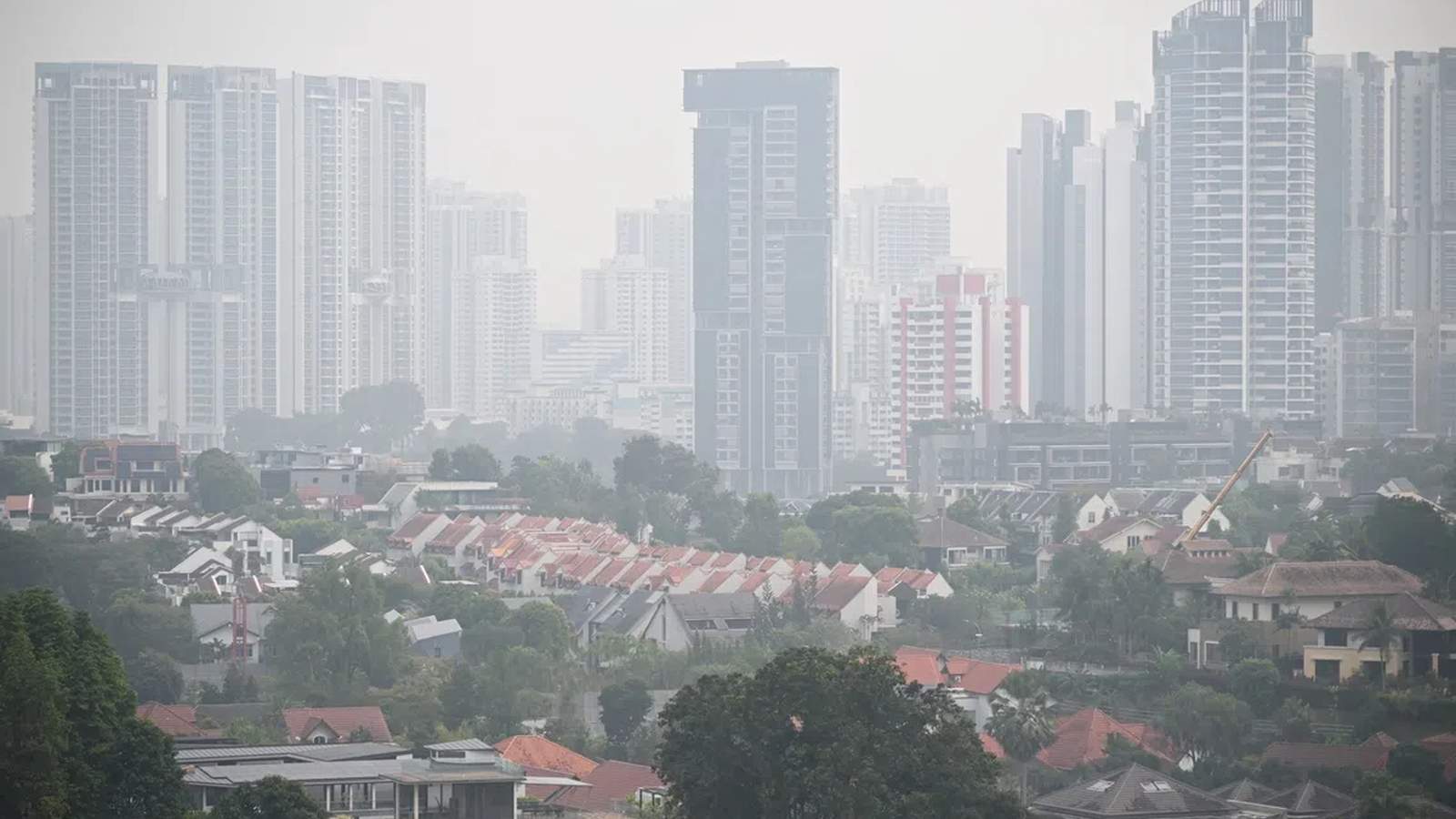
Air Quality Fluctuations and Current Status
Air quality in Singapore’s central region returned to the unhealthy range on September 17, 2026, as the 24-hour Pollutant Standards Index (PSI) reached 102 at 9:00 PM, according to the Straits Times. The reading experienced a slight increase to 103 by 10:00 PM before settling back to 102 at 11:00 PM. This shift follows a brief period of respite on September 16, when readings across the city-state had largely retreated into the moderate range.
Regional Sources and Meteorological Factors
The National Environment Agency (NEA) has attributed the current haze situation to smoke drifting from hotspots in Sumatra and Kalimantan, Indonesia. Prevailing winds from the south and south-east have transported these smoke plumes toward Singapore. While the central region experienced the highest PSI, other areas—including the north, south, east, and west—maintained moderate readings through late evening. Hourly PM2.5 concentrations, which track fine particulate matter, showed elevated levels briefly in the central and western regions before returning to the normal band by midnight.
Public Health and Official Guidance
The NEA advises that an unhealthy classification (PSI 101-200) warrants specific precautions. Healthy individuals are encouraged to reduce prolonged or strenuous outdoor activities, while vulnerable populations—including children, the elderly, pregnant women, and those with chronic heart or lung conditions—are advised to minimize outdoor exposure entirely. Short-term exposure to these levels may cause temporary throat or eye irritation, which typically subsides once the individual moves to a cleaner environment, as noted by AsiaOne.
Looking Ahead
The current haze episode is part of a broader trend observed throughout September, with the PSI first crossing the unhealthy threshold on September 4, marking the first such occurrence since October 2023. While the situation remains sensitive to wind patterns and Indonesian fire activity, the Meteorological Service Singapore has forecasted an increase in rainfall for the remainder of September. These projected showers offer a potential for improved air quality in the coming two weeks, contrasting with the drier conditions that characterized the first half of the month.