

Quick Read
- Over 41,000 Michigan customers lost power amid a severe winter storm.
- Outages concentrated in Mecosta, Oakland, Midland, Clare, and Isabella counties.
- DTE outage map provides real-time updates and safety guidance for affected residents.
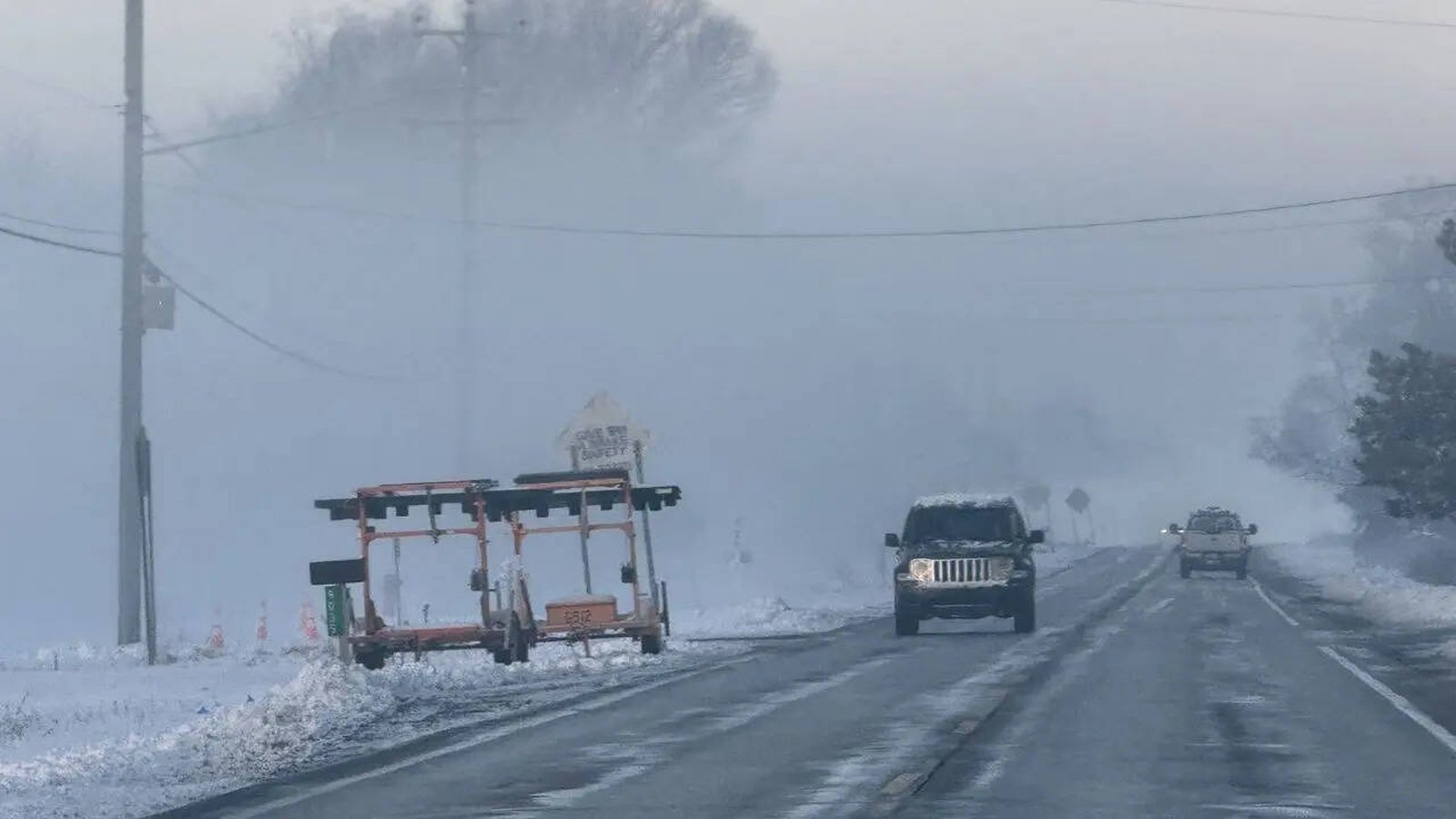
Michigan woke up to a harsh reality this Friday: more than 41,000 households and businesses were in the dark as a fierce winter storm swept across the state. With snow and freezing rain pounding the Lower Peninsula and stretching into the western Upper Peninsula, power lines buckled under the weight of ice, and entire communities found themselves scrambling for updates, warmth, and safety.
The numbers paint a sobering picture. By 2 p.m., outage maps showed 41,671 customers statewide without electricity, and more than half of them—28,000—were Consumers Energy subscribers. DTE Energy, another major provider, saw significant disruptions, especially in counties like Oakland, Midland, and Mecosta. In Mecosta County alone, nearly a third of Consumers Energy’s customers were affected, highlighting just how localized and severe the storm’s impact has been. Free Press and Times Now News both reported clusters of outages in Mecosta, Oakland, Midland, Clare, Isabella, Gladwin, Montcalm, and Osceola counties, with the worst-hit areas seeing thousands without power.
What caused this massive blackout? The culprit was a relentless mix of snow, rain, and freezing rain that began Thursday night, with the National Weather Service predicting up to 0.27 inches of ice accumulation by Saturday morning. That much ice isn’t just a slippery inconvenience—it’s a force that can snap trees, pull down power lines, and make even routine travel dangerous. For Michigan’s utility crews, it means working around the clock in treacherous conditions, often battling the elements to get the lights back on.
For residents, the DTE outage map became an essential lifeline. With real-time updates, people could check not just whether their neighborhood was affected, but also see estimated restoration times and the geographical spread of outages. DTE urged everyone to stay at least 25 feet away from any downed power lines—reminding the public that even seemingly harmless wires could be live and lethal. For reporting outages or downed lines, DTE directed customers to their website, while other providers like Consumers Energy, Indiana Michigan Power, and Great Lakes Power shared their own hotline numbers and interactive maps.
Communities across Michigan showed their resilience. In Mecosta, more than 7,900 were without power, in Oakland over 6,400, and in Midland 5,100. Some smaller providers, such as HomeWorks Tri-County Electric, reported nearly 10% of their customers affected—a stark reminder that rural areas can be disproportionately hit during severe weather. In Clare County, 16% of the population lost power as the storm marched southeast. For those living near the Indiana border or in the Upper Peninsula, companies like Indiana Michigan Power and Wisconsin Electric Power Company provided regional updates and support.
As the hours passed, the outage map became a digital gathering point—a space not just for facts, but for community. People tracked progress, shared tips on staying warm, and waited for the telltale flicker of restored electricity. Utility companies, meanwhile, worked tirelessly, often in hazardous conditions, to fix downed lines and restore service. The situation highlighted a stark truth: in a state where winter can be unforgiving, preparedness and rapid information-sharing are as vital as physical infrastructure.
For many, this storm was a test of patience and resourcefulness. Local authorities and utility providers reminded everyone to avoid downed wires, conserve mobile device batteries, and check on vulnerable neighbors. The DTE map and its counterparts served as vital tools, but they also underscored the importance of clear communication in times of crisis. Whether you were huddled at home, navigating icy roads, or trying to reach loved ones, staying informed was half the battle.
If your area wasn’t listed on the main outage maps, statewide resources like Poweroutage.us offered comprehensive overviews, ensuring no one was left out of the loop. For those without power, the priorities were simple: safety first, then restoration, and finally, learning from the experience to better weather the next storm.
As Michigan faces more unpredictable winters, the value of robust outage tracking, quick reporting, and coordinated response only grows. The DTE outage map isn’t just a technical tool—it’s a sign of how communities rally together, using data and compassion to keep each other safe and informed when nature throws its worst at them.
Michigan’s latest winter storm starkly demonstrated the fragility of power infrastructure under extreme weather, and the crucial role of real-time information in community resilience. The DTE outage map, paired with responsive utility crews, became the backbone of public safety, but these events remind us that investment in both technology and infrastructure is essential to withstand future storms.