

Quick Read
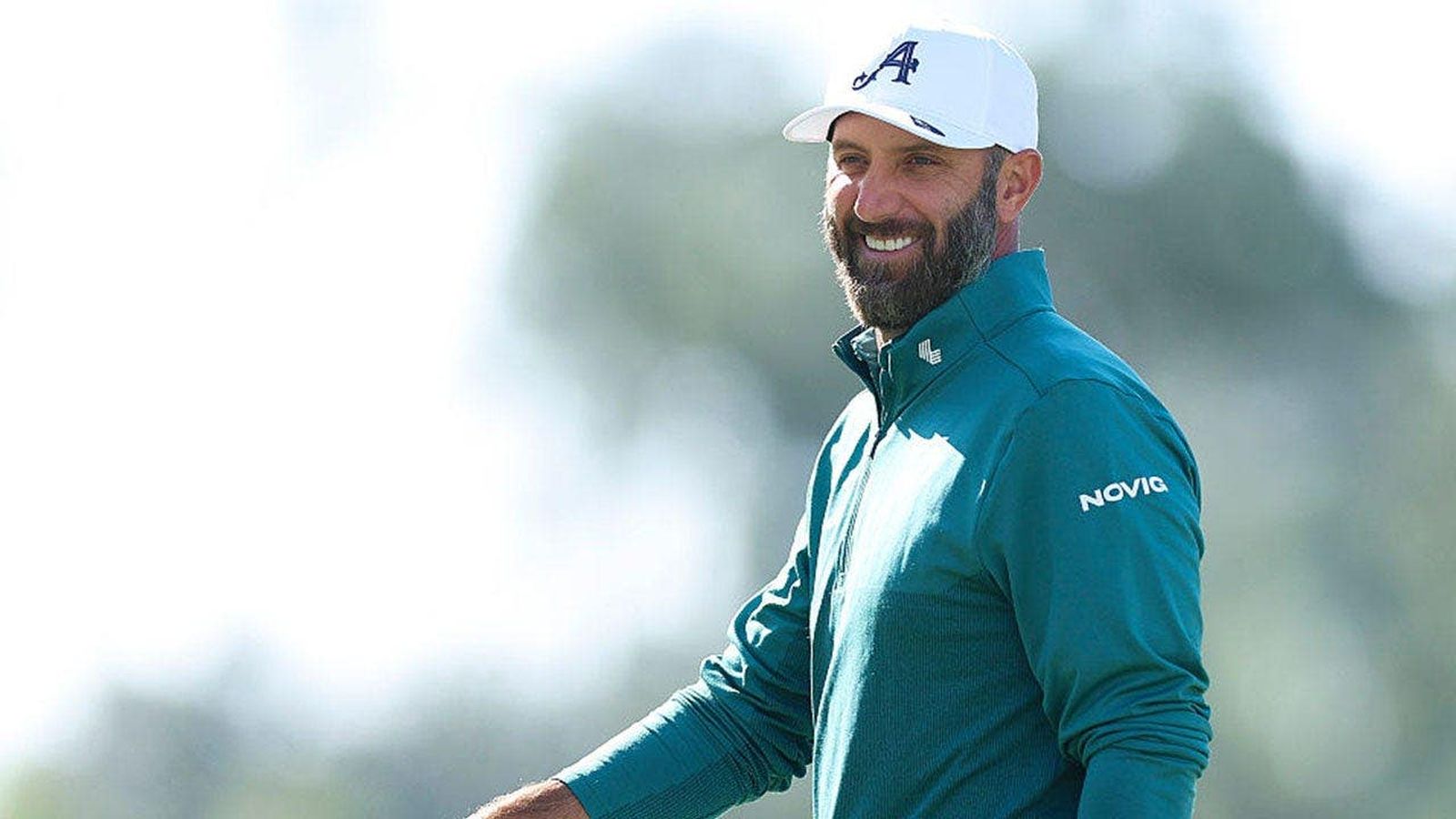
- Dustin Johnson hit a hole-in-one on the par-3 third hole at LIV Golf Andalucia.
- The shot was the 18th hole-in-one in the history of the LIV Golf league.
- Johnson’s calm reaction triggered criticism from fans who expected more celebration.
- The debate highlights the tension between athlete stoicism and modern entertainment demands.
A Moment of Precision, A Clash of Expectations
During the third round of the LIV Golf Andalucia tournament at Real Club Valderrama on June 6, 2026, former world No. 1 Dustin Johnson recorded a hole-in-one on the 186-yard par-3 third hole. The shot, which landed softly before rolling into the cup, marked the 18th ace in the league’s history and propelled Johnson to a 7-under 64, positioning him within striking distance of the lead heading into the final round.
While the technical achievement was lauded by golf analysts, Johnson’s reaction—a minimal shrug and a composed demeanor—ignited a firestorm on social media. Amateur golfers and spectators, who often view a hole-in-one as a career-defining, once-in-a-lifetime thrill, expressed frustration at what they perceived as a lack of emotional investment.
The Stoicism Debate
Johnson’s response serves as a case study in the evolving relationship between professional athletes and their fanbases. In an era where digital content demands high-energy engagement and authenticity, Johnson’s signature “no-nonsense” approach is increasingly viewed as a disconnect. Critics argue that professional sports are, fundamentally, a form of entertainment where fans invest emotionally in the highs and lows of the players. When a player treats a rare feat—like an ace—as a routine occurrence, it can diminish the perceived value of the moment for the audience.
Conversely, supporters of Johnson argue that his stoicism is not apathy, but rather the hallmark of a elite competitor. His ability to maintain a neutral internal state, regardless of the outcome of a single shot, has been the engine behind his major championship success, including his 2020 Masters win. In the high-stakes environment of professional golf, emotional volatility is often considered a liability; Johnson’s refusal to “perform” for the cameras is, by his own philosophy, a necessary component of his consistency.
Institutional Context
This incident occurs as LIV Golf undergoes a period of significant transition. With the Public Investment Fund (PIF) set to cease funding after the current season, the league is currently pitching a “2.0” vision to potential investors, which includes a reduced schedule and greater player equity. As stars like Bryson DeChambeau advocate for this new model, the league’s “brand” identity remains a point of contention. Whether LIV Golf requires more “personality-driven” engagement to survive in a competitive market, or whether the pure skill of its players like Johnson is sufficient to attract long-term commercial interest, remains the central question for the league’s future.